
The Atlanta conference for EIS officers includes sessions on Zika, e-cigarettes, chronic diseases, serious illnesses associated with the synthetic cannabinoid MAB-CHMINACA, visitor injuries from with bison in Yellowstone National Park, and more.
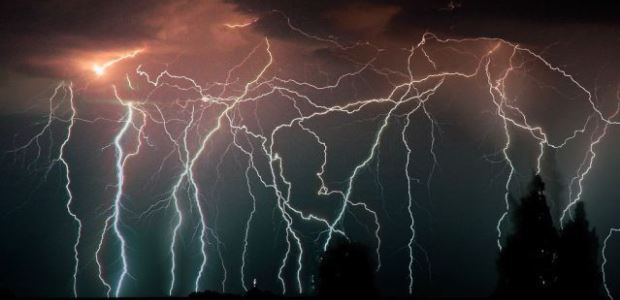
Lake Maracaibo in Venezuela experiences more lightning than any other location on Earth, with an average rate of about 233 flashes per square kilometer per year.

Even if we can't stop the production of deadly gases during a fire, we can take precautions to protect ourselves.

The PID is one of the most sensitive detectors available for many toxic compounds with detection limits in the low or sub-ppb range.

Improvements in health and safety awareness, duty of care to employees, and increasingly extreme environmental conditions mean more thought than ever has to go into safety shower purchasing decisions.

Industrial hygienists are challenged to protect employees from noise exposure in all types of work environments, including variable conditions. This project completed a baseline noise assessment at the Dow Northeast Technology Center’s mechanical areas.

PFA doesn't rely on skills of a professional mental health provider, but rather, engages the skills that most of us already have.

Workplace labels must include the product identifier and general information regarding all of the hazards of the chemical(s).

This year's AIHce conference will be year five for the wildly popular Ignite sessions, which are five-minute talks on pretty much any IH topic.

At first glance, wet scrubbers may appear to be preferable because they inherently control the combustibility of a dust.

Provide relevant consequences. Consequences will assist in showing your workers what is in it for them.

Use these practical tips and best practices to create and maintain an effective emergency response plan. Frequent practice drills are essential.

A hazard risk assessment is a necessary step to take before conducting a wear trial. Only when the risk assessment is completed should the customer conduct a wear trial of fabrics that will meet the anticipated energy levels.

CDC's Healthcare Infection Control Practices Advisory Committee divides ATDs into those two categories, diseases requiring Airborne Precautions and diseases requiring Droplet Precautions.

ACA has supported two bills: the Frank R. Lautenberg Chemical Safety for the 21st Century Act, S. 697, which passed the U.S. Senate on Dec. 17, 2015, and a House of Representatives bill, H.R. 2576, which passed June 23, 2015, on a 398-1 vote.

Other high-risk work groups cited in the report are oil and gas extraction workers (144 deaths in 2014), health care workers who may face workplace violence hazards (765 occupational fatalities in 2014 were attributed to workplace violence), and Latino workers (804 deaths in 2014 and a fatality rate of 3.7 per 100,000 workers).

PHMSA will distribute more than 1.5 million free copies of the guidebook to firefighters, emergency medical technicians, and law enforcement officers nationwide -- the goal is to have one in every public service vehicle across the country.