
A hazard communication program takes more than just safety data sheets and labels. Here are the gaps that cause citations and how to close them.
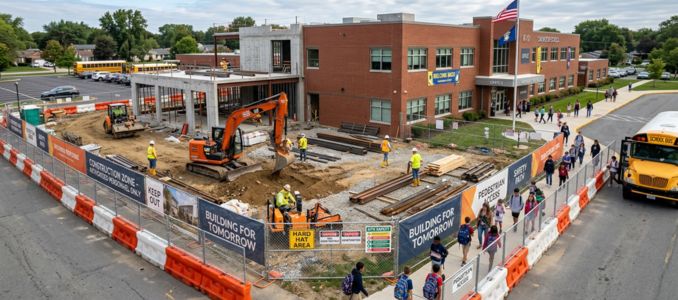
From schools and hospitals to commercial buildings, construction teams must coordinate vehicle and pedestrian traffic to protect workers and the public while facilities remain operational.

As state laws and workplace risks evolve, more employers are reexamining how they protect employees who work alone.
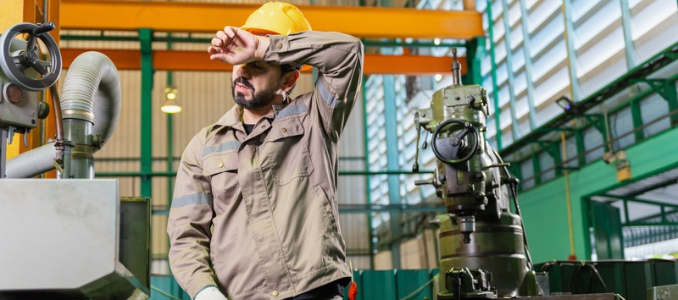
Hot workplaces can wear workers down, but a few simple steps can help managers spot and reduce the problem.
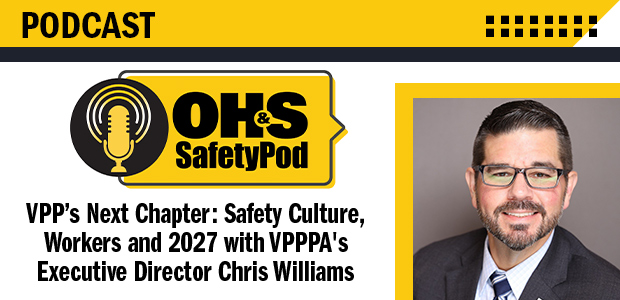
VPPPA Executive Director Chris Williams reflects on the 2026 Safety+ Symposium and discusses the association’s priorities for VPP and workplace safety in 2027.
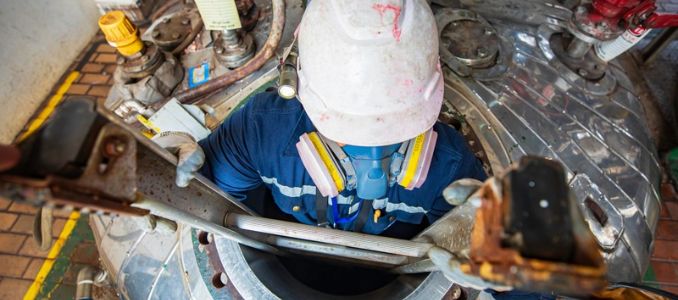
Five questions help employers assess confined-space rescue methods, equipment, response capability and crew readiness before entry.

Effective safety checklists focus on observable hazards, clear responsibilities and actions workers can take when something goes wrong.
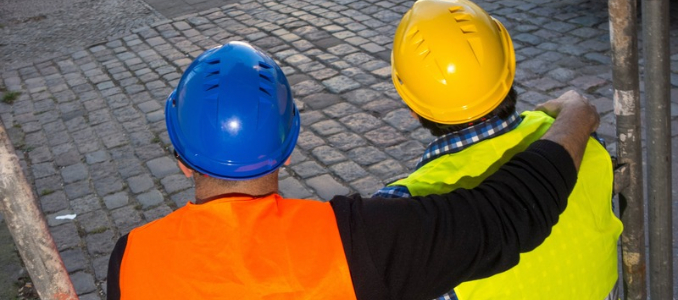
Practical steps construction leaders can take to strengthen mental health and substance use support for every worker on site.

Organizations can reduce safety risk by ensuring workers can access trusted operational knowledge when and where they need it.
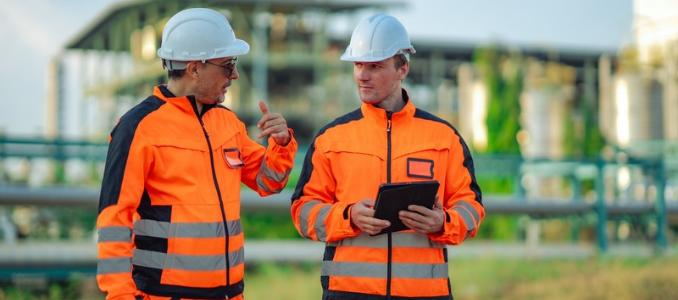
A serious incident is often the moment a company realizes its safety reporting process had been failing long before that day.

Coordinated care and injury data can help employers support distributed workforces and identify opportunities for prevention.

Water system maintenance, testing and response planning can help safety teams strengthen workplace Legionella control.
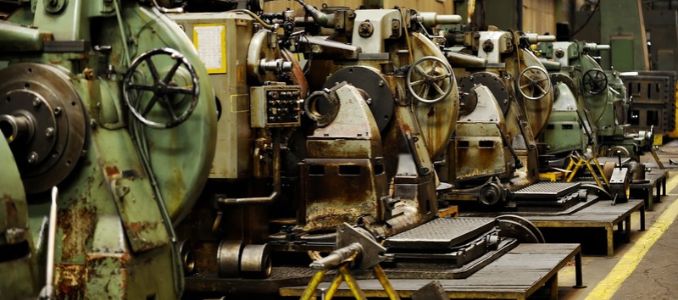
More than a century of workplace tragedies and reforms helped shape today’s safety requirements. Understanding that history can help safety professionals reinforce why established controls still matter.

BRICS cooperation could shape worker protection, industrial safety and environmental health across emerging economies.
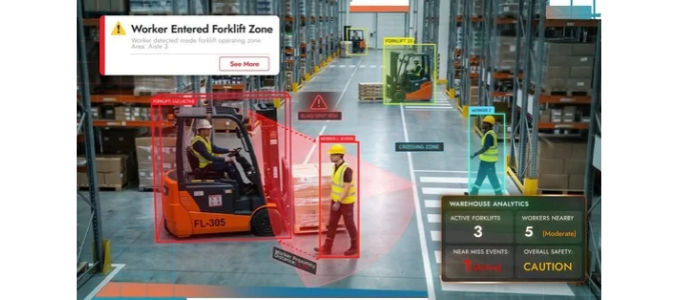
As warehouses and distribution networks adopt more automation, safety teams are beginning to rethink how they identify risks created by the movement of workers, vehicles and machines.
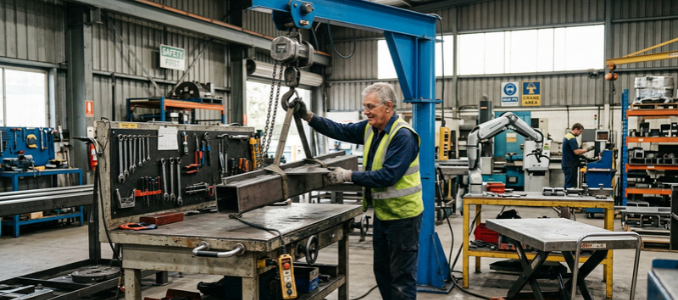
Older workers are injured less often, but age-related changes can make injuries more severe, costly and difficult to recover from.
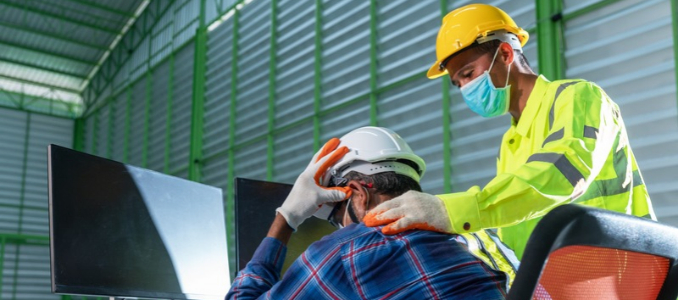
Employers can identify musculoskeletal risks earlier by evaluating job tasks, tracking worker discomfort and providing job-specific movement training.