
The Vaccines and Related Biological Products Advisory Committee will meet March 6-7 in Silver Spring, Md., to discuss and make recommendations on the selection of strains to be included in the influenza virus vaccines for the 2019-2020 flu season.

The new assessment updates one done in 2005. It indicates 161 U.S. volcanoes pose potential threats to American lives and property. The eighteen very highest threat volcanoes are in Alaska, California, Hawaii, Oregon, and Washington, while 39 other volcanoes are high threat, 49 are moderate, 34 are low, and 21 are very low threat.

The board's investigation found that all 27 runway incursions at Toronto/Lester B. Pearson International Airport between June 2012 and November 2017 happened on the inner runway after the flight crews involved had landed on the outer runway and were taxiing on a rapid-exit taxiway between the two runways. It found that several characteristics of the rapid exits in this area are different from almost every other major airport in North America.

Special agents from ICE teamed with industry, Customs and Border Protection, Atlanta police officers, and other partner agencies to identify flea markets, retail outlets, and street vendors selling counterfeit goods during the week leading up to Super Bowl LIII. They seized fake jerseys, hats, cell phone accessories, and thousands of other bogus items.

In the "Deadly Skyline: An Annual Report on Construction Fatalities in New York State" report, researchers found that while New York State has seen an increase in fatalities related to construction, construction fatality rates in New York City construction continue to decrease.

Metro says its $3.4 billion proposed capital and operating budget "prioritizes safety and compliance, investing $1.4 billion through Metro's Capital Improvement Program for safety and reliability improvements, rebuilding the Metro system and improving the effectiveness of the current rail and bus network."
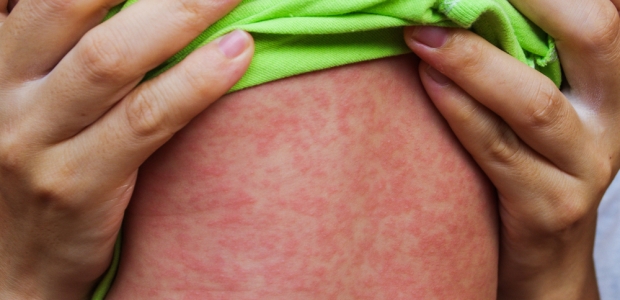
Thirty-six cases had been confirmed in two counties as of Jan. 28. Gov. Jay Inslee’s proclamation calls the outbreak “an extreme public health risk.”
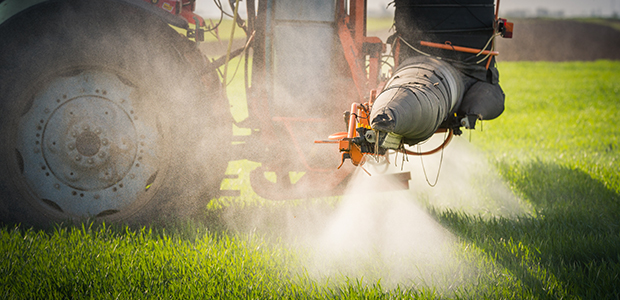
At the start of the study, about 16 percent of participants reported having experienced a high pesticide exposure event (HPEE), such as a large amount of pesticide spilling on their body. They were asked 20 years later if they suffered olfactory impairment, a partial to complete loss of sense of smell.

The DC Circulator provides public transportation to many of the district's main attractions, with six distinct routes across Washington and into Rosslyn, Va. It provides close to 5 million trips per year.

During the Martin Luther King Jr. holiday weekend alone, five snowmobilers died in the state. So far this winter, nine snowmobilers have died in Michigan.

The last two years on record (2016 and 2017) were the most deadly years for people killed by drivers while walking since 1990, according to the report, which ranks states and metropolitan areas around the country using Smart Growth America's "Pedestrian Danger Index."

The Transportation Safety Board of Canada's investigative report on a baggage compartment fire during a WestJet flight in June 2018 says a damaged battery inside a passenger's bag triggered it.

"A seamless food safety regulatory system that involves many regulatory layers on the federal, state and local levels is key to preventing foodborne illness and protecting public health," McDowell said. "We hope our federal partners are back to business as usual soon, which will bring all food safety efforts up to full capacity."

The 2019 Global Risks Report identifies economic worries, major power tensions, political strains, climate catastrophe, and technological instabilities as areas of concern.

Several key questions will require focus from all stakeholders, IMO Secretary-General Kitack Lim said, including what standards seafarers will be required to meet with respect to education, training, and certification to qualify them for the jobs of the future.

The $802 million I-395/SR 836/ I-95 Design-Build Project involves three projects that will be constructed concurrently to minimize impacts to the public.
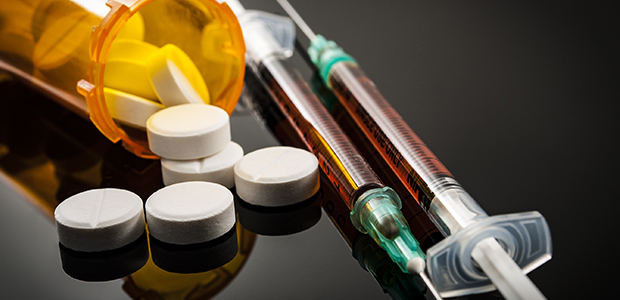
The odds of dying accidentally from an opioid overdose have risen to one in 96, surpassing the odds of dying in a motor vehicle crash (one in 103), according to analysis by the National Safety Council.