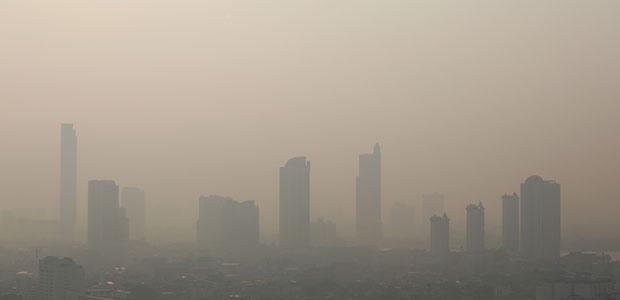
Earlier this week, researchers received $1.2 million to develop a model to better measure the effects of particulate air pollution on human health, according to the Milken Institute School of Public Health.

Episode 2
You can hear the audible groan when employees are told they need to go through safety trainings, but with the number of hazards on the job workers cannot go without these vital trainings. When an incident happens, employees must be able to refer back to their training—and fast.

When it comes to gas detection, compliance with OSHA standards is a gray area.

One recent study published in the journal of Drug and Alcohol Dependence notes that those in construction jobs are most likely to use pain-relieving drugs. This puts them at high risk for injury and overdose fatality.

A recent study presented at the American Heart Association’s (AHA) Scientific Sessions notes that certain types of work have an association with heart disease—especially in women.
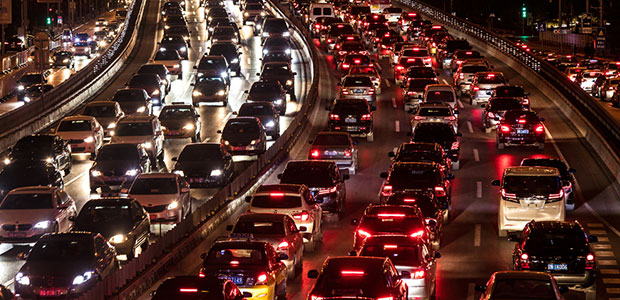
One recent study compared 100 global cities on their air pollution, infrastructure, congestion, associated driving costs, and incidents of road rage. Some of the findings might surprise you.

Did you know that worker hand injuries account for almost one million medical emergencies across America every year?

Worker safety is now an on-the-job priority—most companies, across all industries, have realized this throughout 2019.
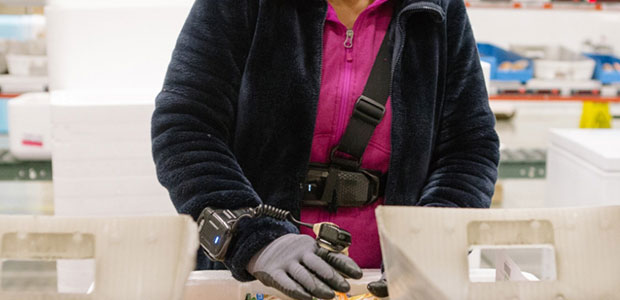
A monitor device made by startup StrongArm Technologies Inc. tracks employee movement and notifies them when their activity is potentially dangerous—and it’s already helping reduce workplace injuries.

Safety managers can make safety training more effective by supplementing formal training methods with microlearning.

American employees who have full-time jobs spend an average of 9.2 hours per day working and a lot of that time is spent sitting down.

As fall transitions into winter, people are at a higher risk for seasonal affective disorder. If you are one of thousands of people struggling with seasonal depression, here are ways to get out of your slump.
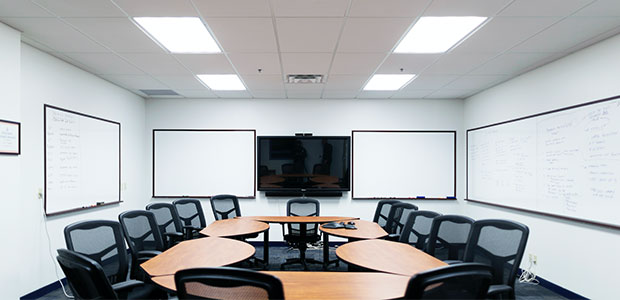
In the quest to ensure a healthier, safer and more productive work environment, lighting innovations can be a central factor. The advent of flicker-free LED lighting offers a promising alternative to fluorescent, incandescent and early-generation LED lighting, even as it significantly reduces maintenance costs.

Even though Americans gained an hour of sleep this past weekend, workers are still urged to prioritize sleep—especially because driving drowsy is comparable to driving intoxicated.

An update to the Pregnant Workers Fairness Act sponsored by a Democrat could make changes in how pregnant workers are accommodated in the workplace. It’s gaining much Democratic support, but many Republicans are still reluctant.
SPONSORED
A safety culture expands beyond the confines of physical walls and core hours. To effectively manage ever-evolving regulatory requirements, increasingly flexible work arrangements, and rapidly changing business demands, modern-day safety programs must be as adaptable as the individuals who maintain them.

Stopping workplace violence is a high priority for anyone filling a supervisory position in their organization. Unfortunately, there are several commonly held myths about effective strategies for doing so.