
Simply installing an automated external defibrillator isn't enough. A truly effective AED program depends on planning, maintenance, training and readiness.
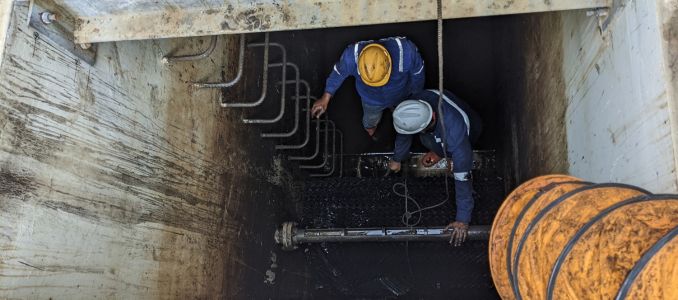
More than 30 years after OSHA's confined space standard was introduced, workers continue to die in enclosed spaces. Understanding atmospheric monitoring, rescue planning, and common misconceptions can help close persistent safety gaps.

Effective combustible dust prevention begins with understanding facility-specific hazards. Dust testing, hazard analyses, engineering controls, housekeeping, and employee training work together to reduce fire and explosion risks while supporting safer operations.

Effective combustible dust safety depends on more than controlling ignition sources. Selecting appropriate portable lighting for classified environments can improve visibility, strengthen inspections, and support safer maintenance and emergency response activities.
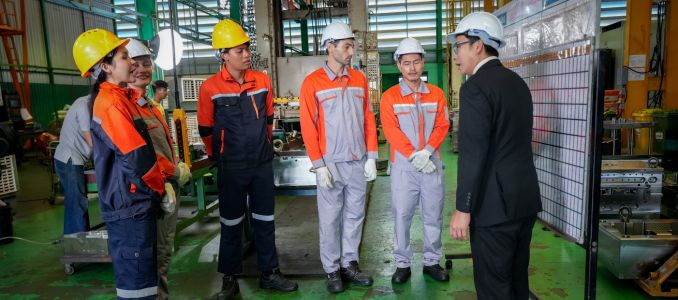
Effective HazCom training goes beyond OSHA compliance. Learn how stronger instruction on labels, Safety Data Sheets and emergency response can help employees recognize chemical hazards and work more safely.

Connected head protection can give safety managers new information about impacts, falls, heat and other workplace conditions, potentially changing both incident response and the way safety decisions are made.

High-visibility apparel is moving beyond the traditional safety vest as manufacturers respond to heat, workforce diversity, multiple hazards and emerging technology.

Accurate injury and illness records do more than satisfy regulatory requirements. They provide the data organizations need to identify hazards, strengthen safety programs, and improve decision-making before incidents occur.

A UK contractor's mental health initiatives offer practical strategies to reduce stigma, improve access to support, and strengthen workplace culture.

Editorial staff reflect on 9/11's 25th anniversary, honoring the fallen while analyzing how the tragedy permanently transformed safety, security and emergency preparedness.

Safe lifting involves more than technique. Workplace design, load positioning and ergonomic solutions can help workers keep loads closer and reduce physical strain.

Expanding National Traffic Awareness Month to industrial sites addresses rising worker pedestrian deaths through AI edge vision retrofits.

High-visibility safety orange powder coating extends detection distance, leverages peripheral vision, and prevents early drive-offs around industrial loading racks.
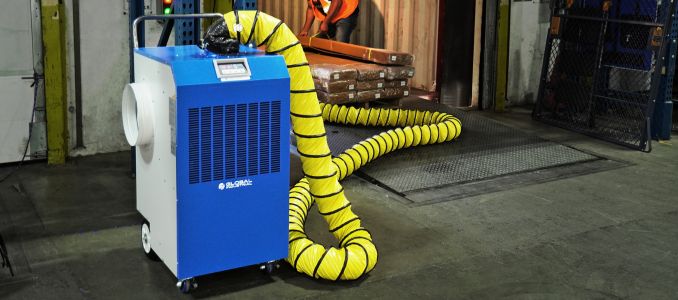
Targeted spot cooling protects workers and critical machinery from localized heat stress while avoiding the excessive costs of facility-wide HVAC overhauls.
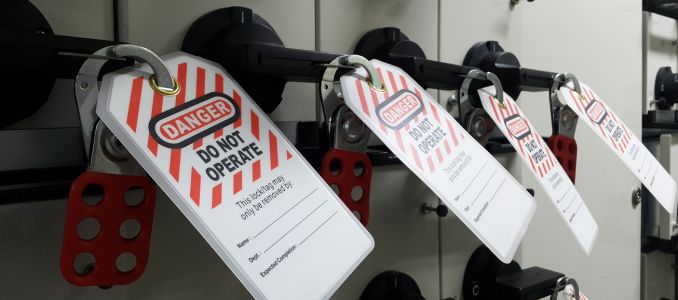
OSHA data shows missing paperwork, not missing locks, drives over 70% of lockout/tagout violations.

New safety solutions and facility updates focused on height protection, workplace organization and site accessibility.
Muscle memory and routine expectations create cognitive blind spots during non-routine tasks, requiring dedicated risk profiles to protect senior personnel.