-
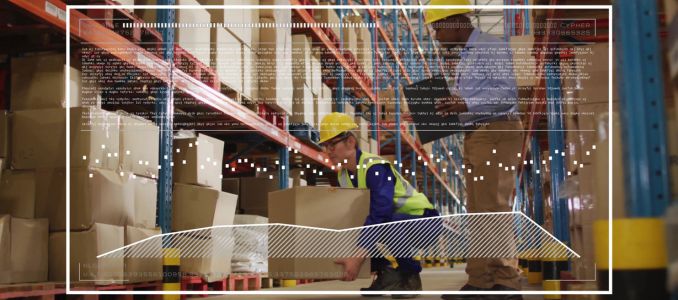
As the global AI boom accelerates, data centers are multiplying — and so are the overlooked risks to the people who keep them running, from heat and chemicals to fatigue and stress.
read now
-

A new initiative connects inspectors, safety consultants, and compliance organizations through a shared digital platform designed to streamline reporting, improve accuracy, and strengthen workplace safety oversight.
read now
-

New respiratory protection technologies combine sensors, AI analytics and connected dashboards to monitor air quality, worker health and exposure risks in real time across hazardous workplaces.
read now
-

At the 2025 NSC Safety Congress & Expo in Denver, the Labor Division collected more than $3,500 to support the Pinnacol Foundation’s scholarship program for children of workers killed or seriously injured on the job.
read now
-

A new statewide program will allow building trades apprentices to earn college credit for their on-the-job training—linking hands-on experience to academic credentials and career advancement.
read now
-

Cold stress goes deeper than frostbite. For lone workers, prolonged exposure can impair physical and cognitive performance—creating hidden safety risks when no one is there to help.
read now
-

Governor Wes Moore announced $4 million in additional funding through Maryland’s Road to Careers program, a statewide workforce initiative designed to expand access to skilled jobs in transportation and construction while removing barriers to employment.
read now
-

Occupational health professionals play a critical role in identifying undiagnosed hearing and vision impairments that often go unnoticed, ensuring employees receive timely, specialist support that fosters inclusion, safety, and productivity.
read now
- Hearing Protection
- Vision Protection
-

High school students across Oregon are encouraged to use their creativity to promote heat illness prevention through the 2026 Oregon Young Employee Safety (O[yes]) Coalition Media Contest, organized in partnership with Oregon OSHA.
read now
-

Following the explosion that killed 16 workers at Accurate Energetic Systems in Bucksnort, Tennessee, the National Council for Occupational Safety and Health is demanding stronger oversight, worker protections, and full transparency in the investigation.
read now
-

Smart personal protective equipment is transforming industrial safety by integrating sensors, connectivity, and real-time data to better protect workers and prevent injuries.
read now
-

Winter’s harsh conditions can expose weak spots in workplace safety programs, making it the perfect time for employers to test their safety culture’s resilience and strengthen protocols before accidents happen.
read now
-
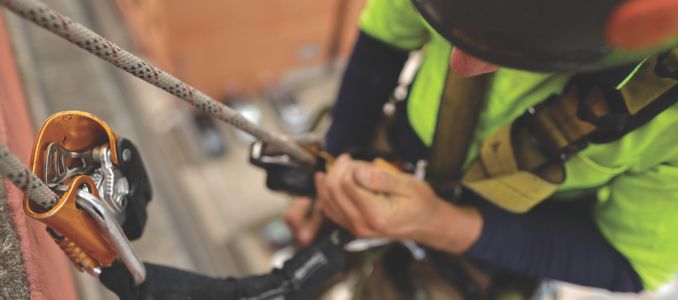
OSHA regulations, weight capacity, aeriel lifts, and other critical fall protection considerations.
read now
-
Musculoskeletal disorders (MSDs) remain the leading cause of workplace injuries and lost time, costing U.S. businesses nearly 18 billion dollars annually. A new NSC MSD Solutions Lab report reveals that nearly 30 percent of workers with MSD pain don’t report it—highlighting a major trust and communication gap between leaders and frontline employees.
read now
-

Important considerations for selecting protective apparel that aligns with real world risks.
read now
-
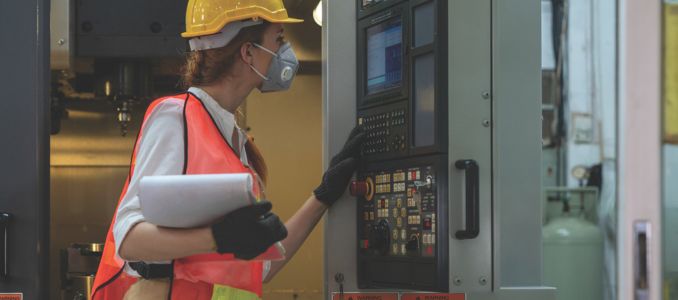
The proposed rule would exempt filtering facepiece and loose-fitting powered air-purifying respirator users from mandatory medical clearance, citing minimal health risk and significant cost savings.
read now
-

From lens materials to advanced coatings and tints, smarter safety eyewear enhances protection, comfort, and worker performance across industries.
read now
-
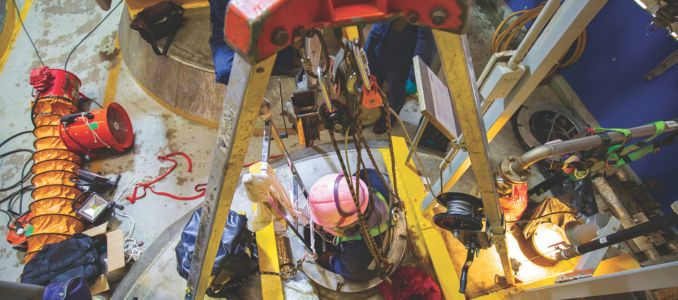
Confined space entry has been a well-known hazard for decades, yet fatalities persist. Blackline Safety’s Todd Connolley explains why complacency remains a top concern and how to combat it.
read now