
Short-term adjustments can reduce strain, let the body recover during the workday, break up the monotony and give teams time to work out process improvements, the agency said.

Kentucky employers need correct chemical labels and classifications, plus updated safety data sheets, programs and training for newly identified hazards.
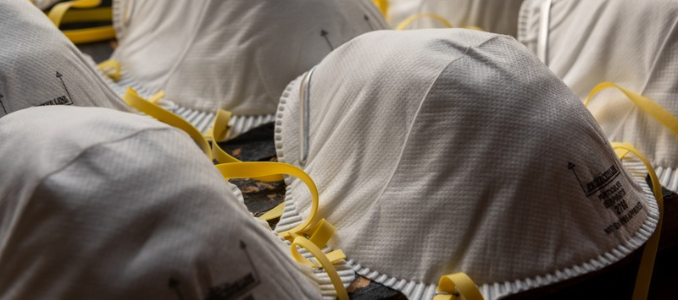
OSHA's proposal to drop required medical evaluations for N95 and loose-fitting PAPR users could ease paperwork, but it also raises questions about screening, program consistency and worker health.

U.S. mines have now gone three years in a row without a pattern of violations notice, and operators can use MSHA's online calculators to track their own standing, the agency said.

Manufacturers face updated lab test methods and documentation rules, while garment types, performance classes and the three fluorescent background colors stay the same.
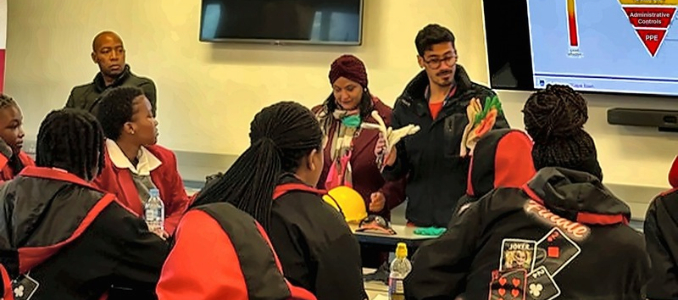
In a team exercise built around different industries, high school students took the part of occupational health professionals and wrapped up with group presentations.

Researchers tracked manufacturing citations and found gaps in inspection records showing whether workplace hazards remained corrected.

Good shoe tread does more than prevent slips. It gives workers the grip they need to push carts, pull loads and reach safely without losing their footing.
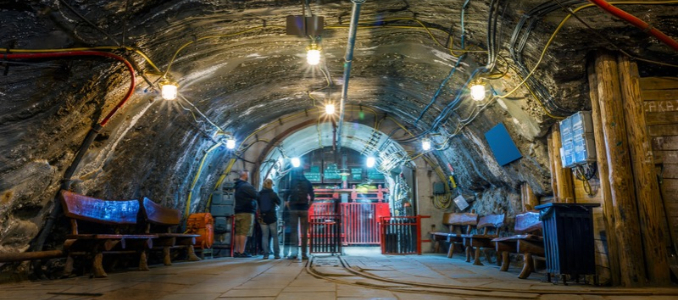
Morton Salt said it is investigating the water intrusion with regulators and independent experts and will notify affected vendors and customers of what it calls a force majeure event.

Saelua Medical Corporation in American Samoa and the University of Arizona are sharing the 2026 awards from the Brookwood-Sago Mine Safety grant program.