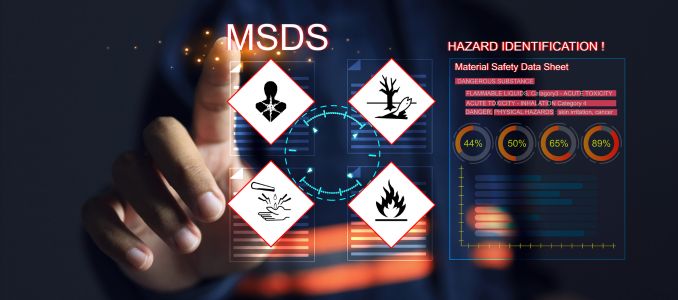
Space-constrained chemical containers are transitioning to cloud-connected QR codes and NFC tags to bypass physical label limitations and secure instant safety data access.

The funding honors 25 fallen miners by backing emergency response education programs across the nation.

A collaborative benchmarking study by J. J. Keller and COSTHA highlights persistent training challenges, preventable errors and technology trends.

The veteran safety executive will lead the organization for a one-year term with a major focus on workforce development.

Aug. 30–Sept. 2 in Nashville, Tenn., VPPPA Safety+ will bring together safety professionals for four days of leadership, education and hands-on learning focused on strengthening workplace safety.
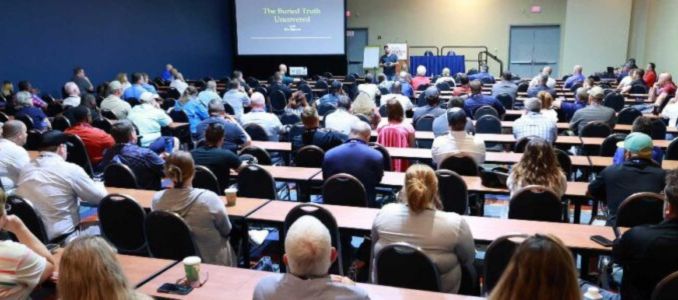
From OSHA 10-Hour training to Innovation Stations, live demonstrations and VPP site tours, this year's symposium emphasizes learning through experience.

The record-setting aviator will share lessons on resilience, mental health and overcoming complacency during the opening keynote at VPPPA's annual safety conference.

An executive panel featuring leaders from MITER Brands, AECOM and The Kwest Group will explore how voluntary protection programs help strengthen safety culture and organizational performance.

The annual conference, taking place Aug. 30–Sept. 2 in Nashville, Tenn., will bring together safety and health professionals for four days of education, networking and practical strategies designed to strengthen workplace safety programs.

New MIOSHA standard adds stricter inspection and worker training mandates with enforcement delayed until September.