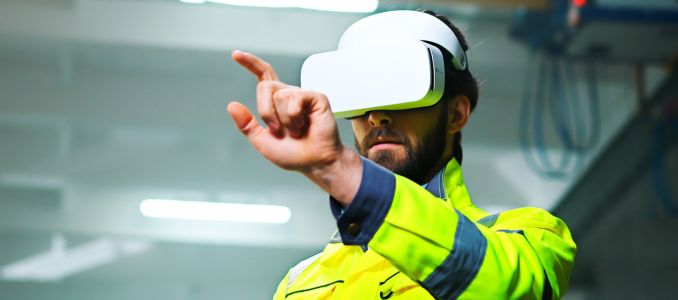
As industrial environments become more complex, immersive simulation and intelligent visualization can help safety teams improve training, communication and emergency preparedness before workers face real-world hazards.
Read Now
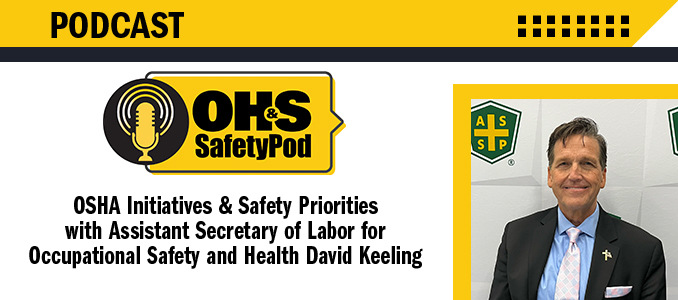
Assistant Secretary of Labor David Keeling shares insights on heat stress, AI, Safety Champions and OSHA's evolving role in workplace safety.
Read Now
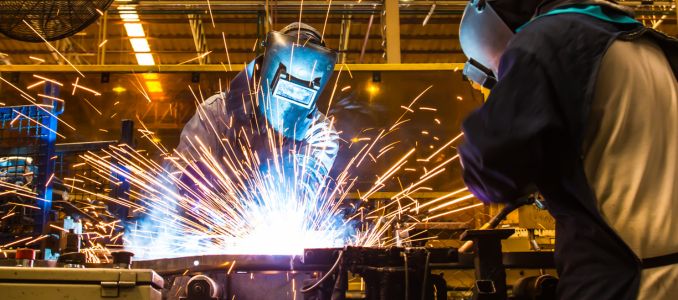
Comfort, fit and usability are reshaping welding PPE programs as safety leaders recognize that workers are more likely to consistently wear equipment that reduces fatigue, heat stress and physical strain while still protecting against serious hazards.
Read Now
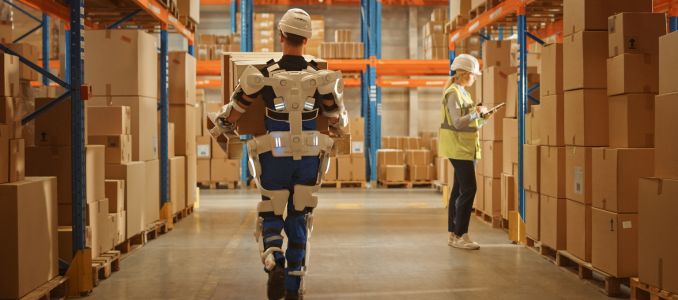
Safety wearables can reduce strain and fatigue, but without structured training and worker buy-in, even the most advanced solutions fall short in high-demand industrial environments.
Read Now
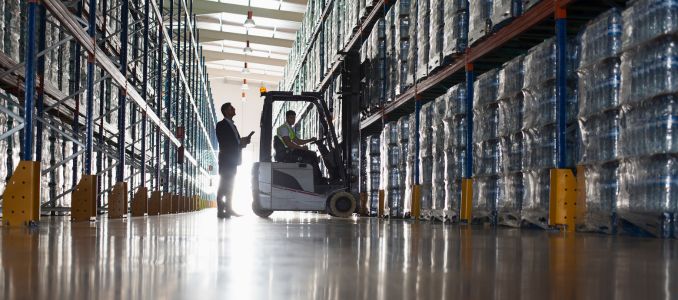
As industrial environments grow more dynamic, safety programs are shifting toward real-time visibility, leading indicators and integrated systems to identify risk earlier and prevent incidents before they occur.
Read Now
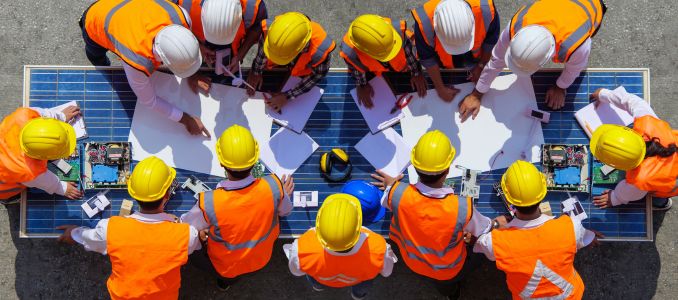
Many safety programs lose momentum after launch. By shifting focus to behavior-based recognition, frequent engagement and interactive program design, organizations can sustain participation and strengthen safety culture over time.
Read Now