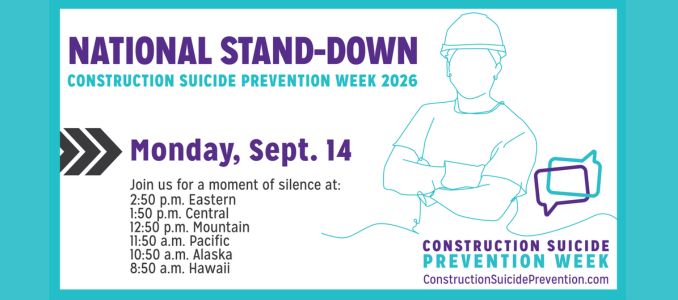
Construction companies will pause work to hold a moment of silence and address mental health challenges across jobsites.

Federal safety regulators fine a Janesville food manufacturer $364,100 following two fatal industrial kettle explosions.
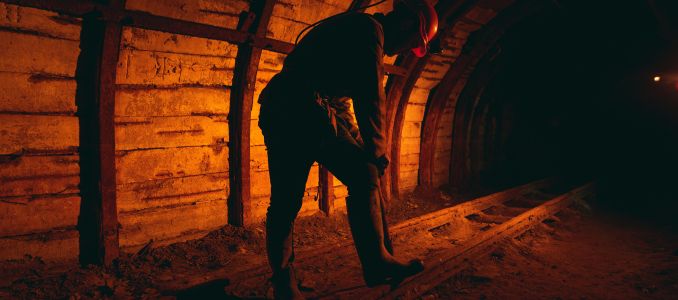
MSHA urges miners to use gas detection equipment, adequate ventilation and appropriate respiratory protection.

Washington safety officials outline steps for handling heat illness and providing clean air locations during severe wildfire smoke.
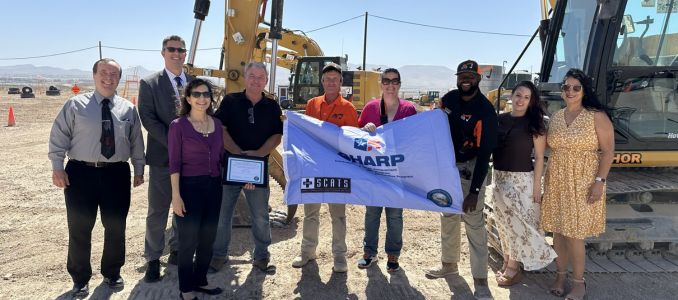
Dig This Las Vegas earns SHARP renewal from state officials for maintaining exemplary workplace safety standards and low injury rates.

Columbia Southern University honors construction industry veteran Danny Simpson for three decades of leadership in workplace safety.

A total of 75 veterans received scholarships for the Advanced Safety Certificate program to advance careers in occupational safety.
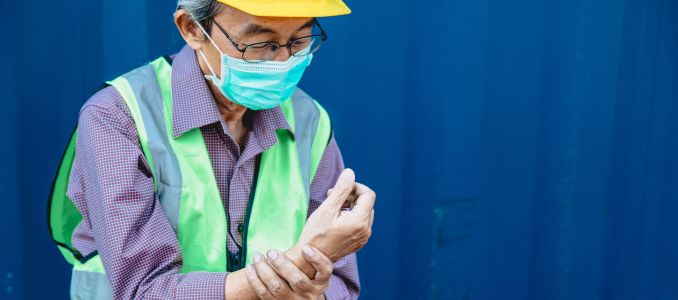
Injury trends among new and older workers are forcing safety leaders to rethink long-standing approaches and adopt data-driven strategies to improve training, reduce risk, and strengthen safety culture across the workforce.

Timely, transparent communication between clinicians, employers and claims teams is as critical as medical treatment in accelerating recovery and reducing workers' compensation costs.
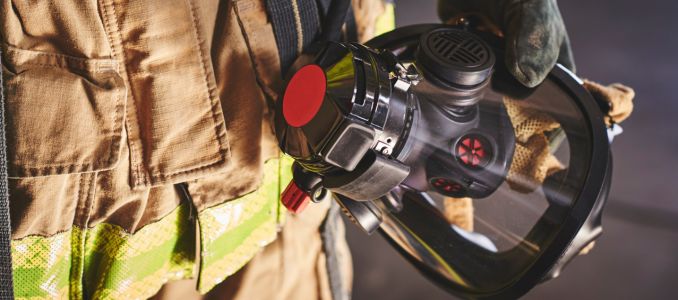
Privately employed and third-party contract industrial firefighters face identical carcinogen exposures as municipal crews, yet lack statutory cancer presumptions and federal death benefits.
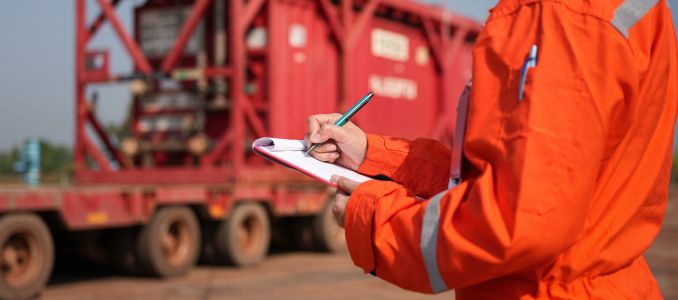
Over-relying on backward-looking compliance metrics like TRIR consumes critical bandwidth without addressing the root causes that drive serious workplace harm.
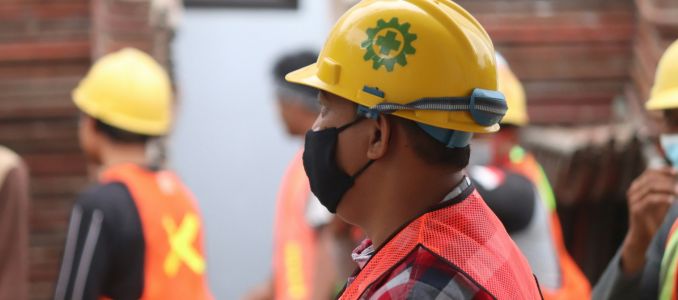
Surge in Michigan workplace deaths prompts state officials to call for proactive safety measures and hazard training.
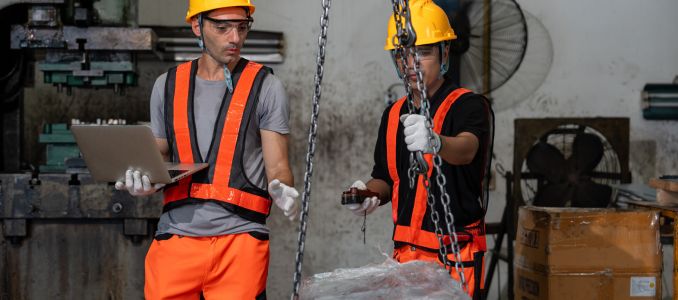
Safety briefings and workplace posters fail to prevent musculoskeletal injuries because passive learning lacks muscle memory; bridging the gap requires hands-on practice with immediate feedback.
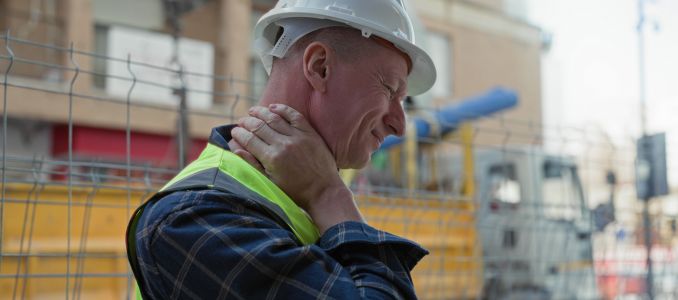
Revisiting Frank and Lillian Gilbreth’s motion study principles reveals that "therblig" micro-movements aren't just tools for industrial speed; they are the key to eliminating soft-tissue strains and cumulative biomechanical debt.

Organizers delay the Dubai workplace safety expo to May 2027 to ensure better planning conditions and stronger market support.

Applications are open until July 31 for the annual awards recognizing outstanding environmental, health and safety professionals.

The automotive service provider will pay penalties and launch an anonymous employee hotline following a federal investigation.
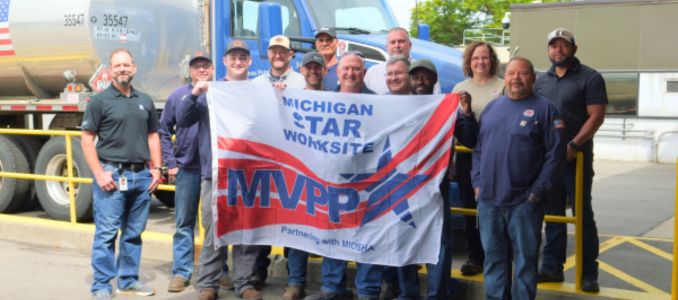
The state’s safety agency awarded the Romulus terminal its highest certification for exemplary workplace health and safety management.
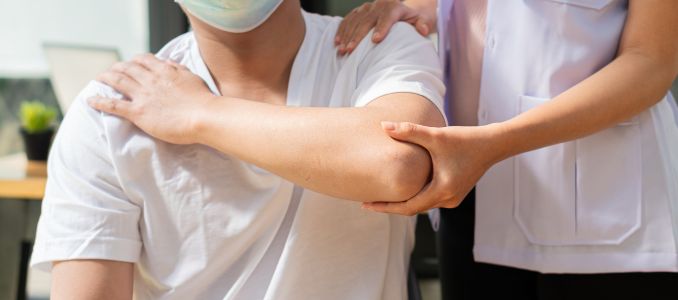
New research funded by the National Safety Council shows how artificial intelligence and augmented reality can reduce ergonomic risks.

K.G. Walters Construction is one of only four employers statewide to receive the Safe Partner Award from SCATS.