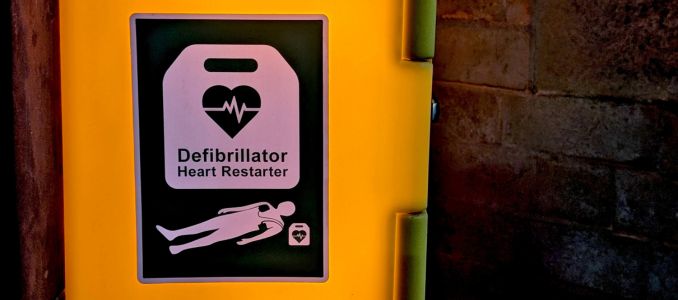
Simply installing an automated external defibrillator isn't enough. A truly effective AED program depends on planning, maintenance, training and readiness.

Effective combustible dust prevention begins with understanding facility-specific hazards. Dust testing, hazard analyses, engineering controls, housekeeping, and employee training work together to reduce fire and explosion risks while supporting safer operations.

The new online platform allows employers to access safety training, manage worker credentials and track course completion across multiple providers.

Voluntary program evaluates safety practices at mines and quarries across the state.

Twelve skilled building trades unions have joined the program for curriculum evaluations.

Prosecutors allege the company sold OSHA and Site Safety Training cards to individuals who had not completed required construction safety courses.

Two new agency partnerships will add nearly 30 safety advisers to support distributors and end users nationwide.

The event, a joint effort between Oregon OSHA and ASSP's Southern Oregon Chapter, will cover fall protection, heat-illness prevention and safety leadership topics.

State agency directs nearly $35 million to local groups educating vulnerable workers on safety, heat rules and labor rights.
Muscle memory and routine expectations create cognitive blind spots during non-routine tasks, requiring dedicated risk profiles to protect senior personnel.

Modern crane safety requires moving beyond baseline certification toward continuous, employer-verified qualification under actual site conditions.

Trade professionals increasingly rely on automation, digital tools and continuous training to combat workforce shortages.

NASA astronaut Christina Koch will visit Raleigh to highlight workplace safety and skilled trades driving lunar exploration.
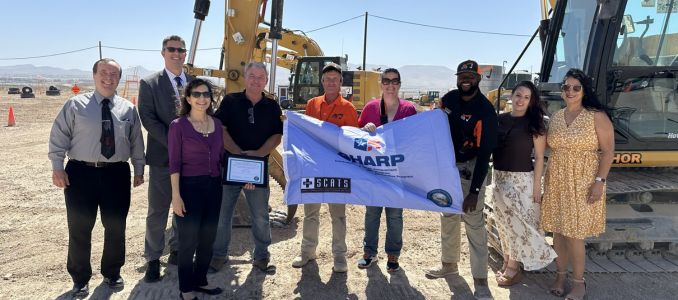
Dig This Las Vegas earns SHARP renewal from state officials for maintaining exemplary workplace safety standards and low injury rates.

A total of 75 veterans received scholarships for the Advanced Safety Certificate program to advance careers in occupational safety.

Compliance alone does not guarantee worker safety. A complete-system approach that integrates hazard assessment, engineering, equipment selection, training, rescue planning and documentation can help organizations close critical gaps and better protect workers at height.

Emergency plans depend on workers receiving timely, accurate information, yet communication gaps continue to undermine response efforts. New technologies are helping facilities deliver critical alerts faster, more clearly, and in multiple languages.
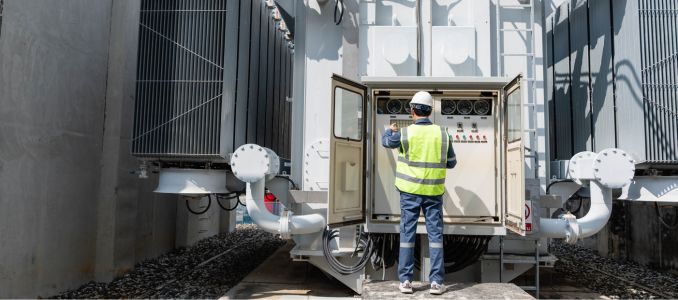
From arc flash risk assessments to preventive maintenance and worker training, facilities can reduce electrical hazards and improve reliability by treating electrical safety as an ongoing program, not a one-time project.

The latest draft refines employer responsibilities for hazard assessments, training, and incident response.
Businesses across the country can access free resources to strengthen safety programs and recognize workplace achievements.