Industries should keep records of waste generation and testing, report any unprecedented events, be prepared to handle emergencies with trained professionals, and have reliable hazardous waste storage options such as tanks and containers
At production sites, workers often interact with production processes and equipment such as pumps, furnaces and others. These pose numerous HSE hazards and a lack of basic understanding of their operations could lead to mishaps—sometimes with major consequence.
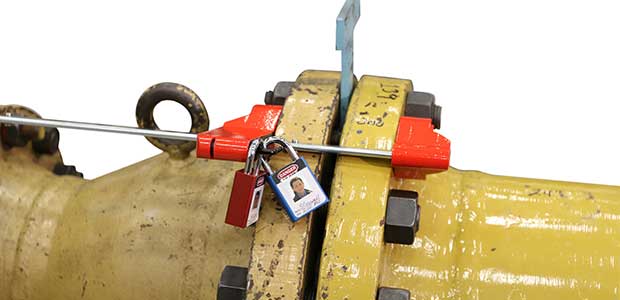
Many companies face significant challenges in achieving an effective and compliant lockout/tagout program in place—especially as it pertains to lockout.
Despite being a critical component of employee safety, HazCom training is one of the most overlooked elements of employer safety programs.
Industrial workplaces already have many components that need to be in check to keep workers safe. Luckily, Avery Products Corporation, ID&C and PC/Nametag launched a handful of new products to help industrial employees work safely.

Safety is as critical an element as production to an organization, but why doesn’t the message always resonate up to the top of every organization? Here are some checks and balances you can utilize to better prioritize safety.
A recent NPR article explains how the meatpacking industry is not the only food industry facing COVID outbreaks. The seafood industry in the Pacific Northwest in particular had 92 of its employees on one ship fall ill.

The U.S. Department of Labor’s OSHA announced it will expand inspections to reduce job-size hazards related to coronavirus across the country, but many are saying the policy falls short of demands by worker advocates.
There are many factors to consider when saying “radioactivity is hazardous.” Here is an attempt to summarize them in five points.

Keeping workers healthy with vigilance and common sense.
Why worry about reporting if you can prevent the release in the first place?
From fire extinguisher training to prepared exit strategies to sprinklers, every aspect of workplace fire prevention affects worker and company safety.
Last month, OSHA cited Nonni’s Foods LLC for exposing employees to falls and other hazards at a New York Facility.

Connected and responsive technology can help improve security strategies within facilities, especially during emergencies.
Workplace noise measurements are critical to keeping workers and workplaces safe; make sure your noise dosimeters are appropriate and up to snuff.

The fatality rate for oil and gas workers is seven times higher than other industries, according to the CDC.
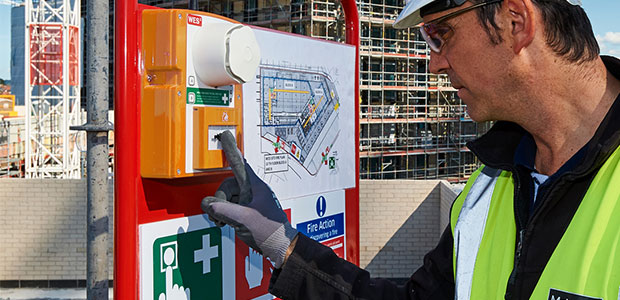
It makes good sense to have an adaptable, durable, highly functional alert system in place from the first phase of construction to the last.
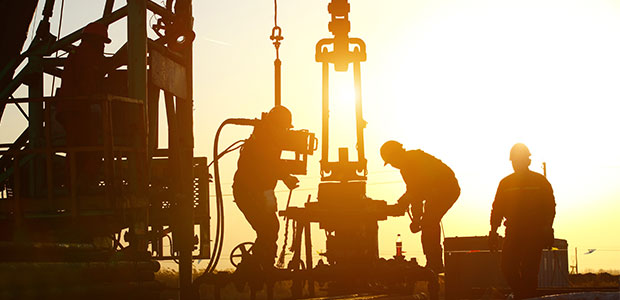
The oil-and-gas industry produces almost a trillion gallons of toxic waste a year—and a new investigation shows that this radioactive waste could be the cause of workers and communities getting very sick across America.
On Friday, Jan. 24, a manufacturing business exploded, damaging surrounding buildings and homes. An investigation is underway.
OSHA cited a Wisconsin manufacturer for exposing employees to high rates of lead and copper dust. The company is facing $171,628 in penalties.