WITHOUT a doubt, highly trained people and corporate dedication to safety are the key elements of any good ergonomic program in industry.
IN the past 30 years, the United States has enacted several laws addressing workplace safety, including specific regulations for air, fire, construction, and occupational safety.
IN our time, it's hard to find a company that does not seek the tools to develop a world-class safety system. Now more than ever, businesses understand one of the most vital components of success is protecting the safety and health of their employees.
THE article "Eight Steps to Selecting Health & Safety Software," published in the January 2004 OH&S magazine, provided a guide to help you select the best software solution to fit your needs. This article takes the next steps: how to ensure a successful implementation of the software.
MOVING raw materials and finished products through a facility is a common process in industry. Throughout the process, operators routinely lift/lower, push/pull, and carry an object, presenting a significant challenge to health and safety professionals.
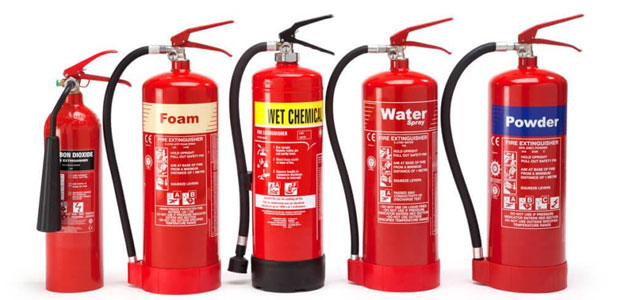
FIRE extinguishers are a common sight wherever you travel, from government buildings to businesses to restaurants.
NFPA 70E-2004, published in April of this year, is the new "how you work on it" standard in electrical safety. With the coupling of NFPA 70E's work practice standard and the "how you build it" approach of the NFPA 70 National Electric Code's (NEC) construction standard, industry now has a more complete picture of how to protect employees who are exposed to shock and arc hazards.
Editor's note: Hair, saliva, and sweat testing technologies for drugs are moving toward approval this year for programs that test federal employees. Getting a federal OK is important not just to companies marketing these alternatives, but to employers generally.
OF all the dangers inherent to confined space work, it's the invisible threat of atmospheric hazards that poses the greatest risks to employees.
PERMIT-required confined spaces are death traps if entry teams don't take proper precautions.
WHAT matters is not how much you wear, but what you wear to stay dry and comfortable while working in hot, wet, or cold conditions. When a workers' body overheats or drastically cools, it makes him or her lose concentration and greatly affects his performance. Wearing the right apparel helps with productivity and safety.
THE Sept. 11, 2001, attacks on the World Trade Center and the Pentagon have left their marks on all of us. For those who were present in the New York and Washington areas when these coordinated acts of terror occurred, the joy of surviving the assault was tempered by concerns over the safety of local relatives and colleagues.
THE smell of scorched coffee fills the air on Monday morning. The only sound is that of high-pitched, heatedly arguing staff members, about whose responsibility it was to have shut off the pot before the weekend, as they fan the thin haze of smoke out of the break room.
FALL hazards are a year-round challenge. Some are lurking underfoot in the safest of workplaces; workers encounter others anywhere from a few feet to hundreds of feet above the ground. It helps to have the mindset that fall protection applies at any height, not just at the height where protective equipment is mandatory.
WHAT is it that draws women into the realm of safety consultants? Like many others, Pamela Ferrante, CSP, a consultant in Pittsburgh, was searching for a new career that would provide the potential for more income, and she knew that potential could be found in male-dominated fields.
COMPUTER simulation is helping to protect astronauts on board the International Space Station from carbon dioxide buildup when the crew quarters ventilation system is out of service.