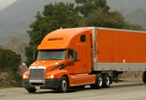
Motor carriers are coming to grips with the new federal safety measurement system. They've seen several changes in it already.
Better air = better performance.
It causes many problems, but the biggest or worst is that it leads to "mind not on task."
Both the hearing and those who are hearing impaired must receive the same message, and it must be specific, consistent, certain, clear, and accurate.
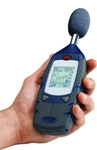
Margin of error should be accounted for and the worst-case scenario measurement taken as the reading, particularly when close to an action level.
Creating e-learning-based training programs for people with disabilities is not very difficult if you follow basic guidelines.

Ninety-one percent of businesses surveyed in 2007 by The Ad Council said it is "very" or "somewhat" important to take steps to prepare for a catastrophic disaster. Yet many companies fail to prepare.
The next time someone at your facility experiences a destructive hand injury, advise all department managers of the status of the injury and the costs associated. Tie it to their bonus pay.
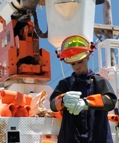
What can we do to prevent or minimize these incidents? The simple answer is training and increased awareness.
In many cases, our training is the first opportunity workers have had to use entry equipment and to understand the potential dangers they could encounter in a confined space.
With criminal penalties associated with safety regulation looming, many corporate safety professionals are opting to spread worker protection more broadly across their workforces.
Here's how to improve the overall fall protection program and prepare returning workers to get back in the fall protection habit.
At the specialist level, trainees are expected to don and doff a hazmat suit. For some, this can bring out anxieties that range from fear of suit entrapment to decreased mobility or visibility.
The misconception of welding's being a dangerous occupation is largely due to welders who made careless mistakes by not being aware of or not following the recommended safety procedures and protocols.
In the same way the demand for respirators challenged manufacturers after H1N1 influenza was declared a pandemic, glove and apparel orders soared once the spill began.
Loyola University Chicago recently became the first university to launch an electronic pre-plan program for fire emergencies.
Are you a safe driver? A courteous driver? A knowledgeable, experienced driver? Do you have a propensity for anxiety and road rage?