Do they work, or do they just discourage employees from reporting injuries?
Considerable testing of chemicals that are handled in the workplace may be required. This could include flash point, reactivity, or corrosivity.
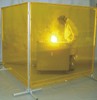
It is safe to assume that we never know enough, or at least don't know all that we need to know. Recent changes to hexavalent chromium and beryllium protection requirements should teach us this lesson.

When the contaminant is a burn-inducing chemical, some argue the drenching time should be extended to a minimum of 20 and even 30 minutes of tepid water.

These plans are instrumental to ensuring compliance and keeping workers safe.

Meet your immediate warehouse training needs with convenient, low-cost online training.
One example: Employees will be required to be retrained at intervals not to exceed three years.

Glove manufacturers are addressing the need for gloves affording higher dexterity.
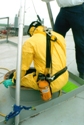
Confined space training for farms is essential.
The quickest way to making the entire process ineffective is to fail to look at what is collected or act on what is found.

There is flexibility in determining the best method to warn others working in the area of backing vehicles and equipment.
Most safety signs in facilities today communicate partial information. The newer technology is better.
Fork trucks were constantly driving in and out of the aisle. Fork truck traffic in the aisle and dock area was especially heavy during peak packaging runs.
Today's "distance education" can be achieved from virtually anywhere and any time in the world in multiple formats.
Wireless gas sensor systems make it safer to explore for oil and gas.

FMCSA is providing added reason to tackle these problems before they appear: Drivers will be cited if an inspection turns up any safety violations.
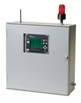
We’ve seen an increase in the overall quality of systems that are more reliable, robust, and require much less maintenance.