
Heavy-duty technology advancements are improving driver and highway safety.

Milliken applies the DMAIC model to tackle heat stress in its operations.
Bullying is a serious psychological assault. It is relentless. The target is put into a no-win situation.
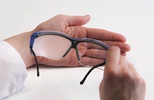
Even a worker in dry-as-a-bone Phoenix perspires more in the heat, which increases the moisture right behind the safety glasses and increases the prospect of fogging.

Occupational injuries are very costly, and not just to the affected party. They can drain the company's coffers, its employees' morale, and its standing in the community.

Although the strategies offered in the new revision can provide a benchmark for triggering housekeeping efforts, plant management should strive for zero dust accumulations.

In extremely dirty, dusty, high-hazard industries, such as oil and gas production or heavy manufacturing, the "sealed eyewear" product category is rapidly taking center stage.
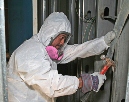
Brisk sales and incremental innovations are the order of the day.
More than 50 percent reported discomfort, tingling, or pain if they had performed glovebox work for more than 10 years, do repetitive tasks as a primary work task, and/or work more than four hours per day in the gloveboxes.
Going back to §(d)(9), we have to prevent unauthorized persons from attempting a rescue.

Widespread managerial turnover in maritime and in the oil & gas exploration and production industry has sparked development of new training tools on coaching and mentoring.
Getting a third-party perspective can help you eradicate visual clutter, create consistency within your facility, and reduce overall costs.

Know what each employee is doing and how he/she is progressing in task management and safety.
And both of them add to the bottom line.
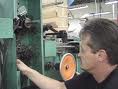
A properly laid out workstation is crucial to a healthy work environment. Twisting, vibration, and repetitive motion have the potential for lost-time injuries, decreased production, and sour attitudes.

As a risk manager, safety consultant, or claims professional, you can help injured workers better understand their condition.

The GHS format is no panacea for comprehensive hazard communication, and several significant problems remain to be solved.