
An employer who takes the view that Friday night use of marijuana is none of his concern will begin to see ramifications when impairment on Monday morning endangers workplace safety.
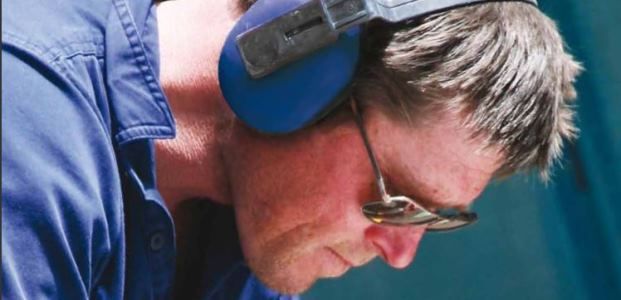
Workers now have a choice. Plugs come in all shapes and sizes so that they are comfortable to wear, and ear muffs allow you to communicate and hear warning signals without having to pop them on and off.

Use these tips to ensure you have an effective materials handling training program.

One challenge with saving victims of cardiac arrest is that there is often a lag before bystanders take action.

NYCOSH is hosting a news conference Sept. 5 to explain how to file and who qualifies.

The Gaylord National Resort & Convention Center overlooking the Potomac River turned out to be an ideal site for the four-day event.

The U.S. General Services Administration has issued a Request for Information seeking ideas from the real estate development community to redevelop the John A. Volpe National Transportation Systems Center property in Cambridge, Mass.
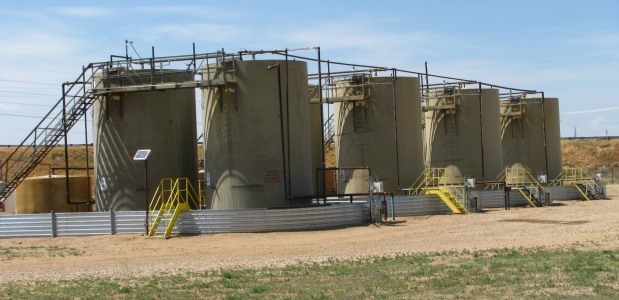
Because workers' exposures can exceed the NIOSH REL and STEL, the team recommends monitoring workers, equipping them with flammable gas monitors and respiratory protection as an interim measure, and controls such as alternative tank gauging procedures and dedicated sampling ports.

An ANPRM and a research report issued this week are about technology that "represents the next great advance in saving lives," Transportation Secretary Anthony Foxx said.
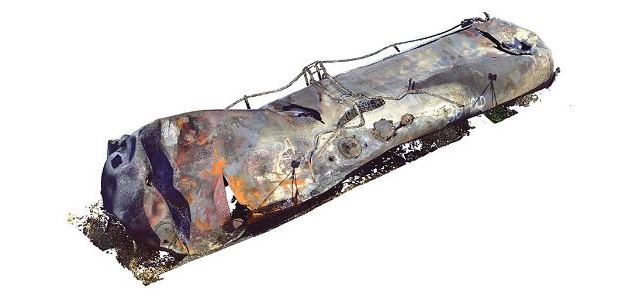
The Transportation Safety Board of Canada's report lists 18 contributing factors involved in the July 6, 2013, accident that killed 47 people and destroyed 40 buildings in Lac-Mégantic, Quebec.
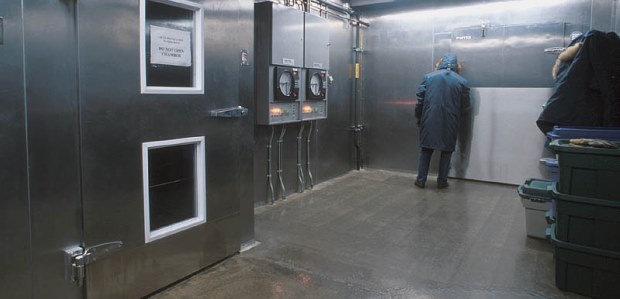
Based in Alexandria, Va., and with offices on five continents, GCCA represents more than 1,600 employers in the temperature-controlled supply chain.

They will take effect Oct. 1, 2014, when the government’s new fiscal year begins.

Bites and stings killed 10 workers per year on average from 2003 to 2010, and more than 4,600 lost-time non-fatal cases occur each year.

The Bureau of Workers' Compensation will contribute to firefighter safety training and will collaborate with businesses, labor, and higher education to develop required training for high-risk specialties, including carpentry, welding, and plumbing.
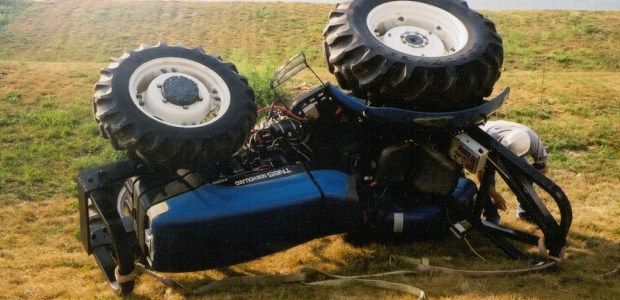
The goals are to find a national funding source and an adequate supply of the rollover protective systems (ROPS) needed for older tractors.
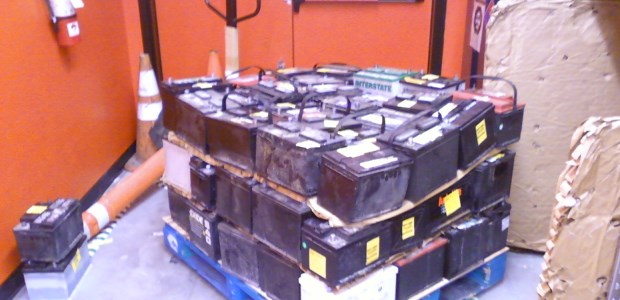
The agency's proposed rule defines training requirements associated with reverse logistics shipments; provides authorized packaging for reverse logistics shipments; sets segregation requirements for reverse logistics shipments; and allows more flexibility for the transportation of used lead acid batteries.

Failing to isolate tank-cleaning operations from ignition sources was the probable cause, with failure to provide adequate tank-cleaning training to employees a contributing factor.