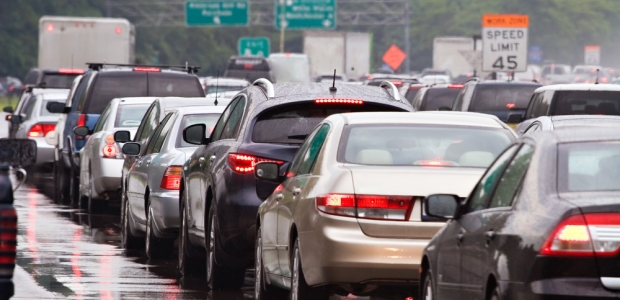
The director is responsible for providing executive level management and direction for highway transportation accident investigations and highway research programs.

Colored powder events where cornstarch is the main ingredient aren't benign, a public affairs intern's post reminds us.
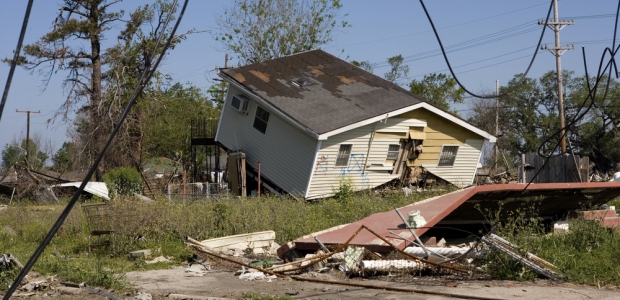
ARC's latest release is the Emergency App, which gives users access to customizable weather alerts, safety tips, and preparedness information for 14 different types of emergencies.
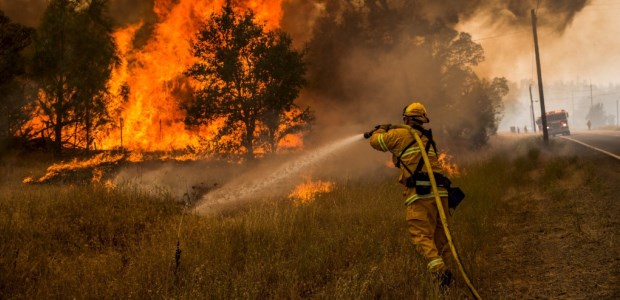
The Rocky Fire, one of 16 active wildfires in the state as of Aug. 19, began July 29 and burned nearly 70,000 acres during the following 16 days, destroying 43 homes and 53 outbuildings and forcing more than 13,000 residents to evacuate.
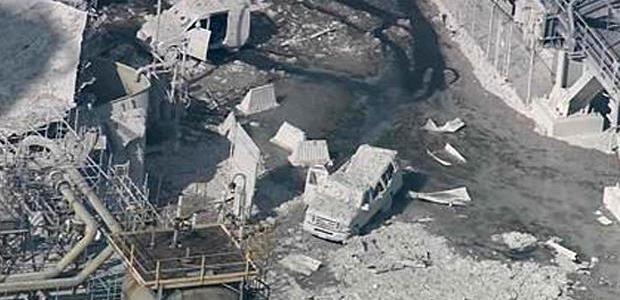
The agency issued 19 citations and $566,600 in proposed penalties, with 18 of the citations classified as serious.
It's too bad the #VPPPA31 conference in Grapevine, Texas, will end before the ice cream makes it back to north Texas.

Solutions are needed to address safety concerns of America's caregivers—nurses.
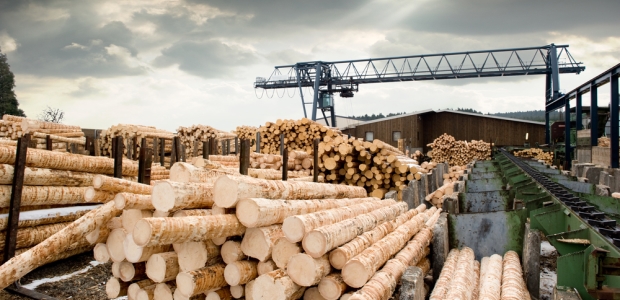
The document laying out the procedures for implement the program includes a list of industries with high numbers and rates of amputations, as reported to BLS. These range from machine shops to sawmills, retail and commercial bakeries, meat processing, and manufacturing various types of food.
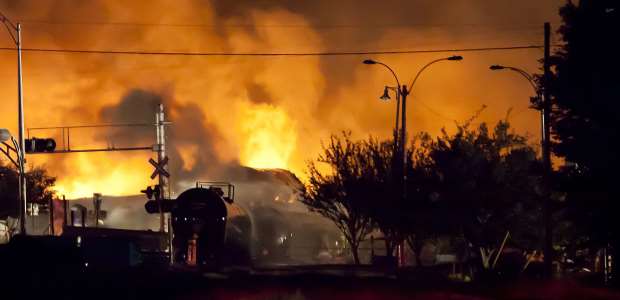
"Requiring that an additional, trained individual double check that the handbrakes have been set on a train will help stop preventable accidents," said FRA Acting Administrator Sarah Feinberg.

The continent appears to be on its way to becoming polio-free, according to the UN agency.
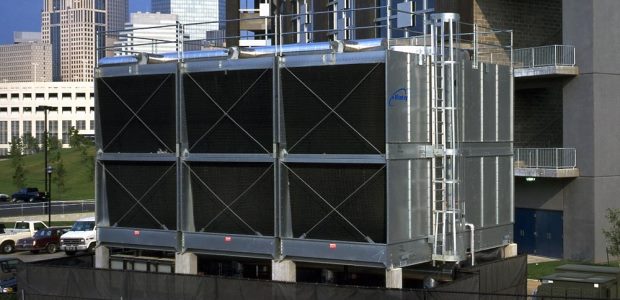
The association announced it Aug. 10, the same day the New York City Department of Health and Mental Hygiene reported the outbreak in the Bronx has been contained.

NASA announced they will eat half of a crop of "Outredgeous" red romaine lettuce that was grown in the Veggie plant growth system on the International Space Station.

A recent OSHA Infosheet highlights the risk of eye infections from contaminated water in improperly maintained emergency equipment.

Wilmer Cueva and Alfonso Prestia, respectively Sky Materials Corp.’s foreman and Harco Construction LLC’s senior superintendent, are charged along with their companies with recklessly causing the death of Carlos Moncayo, a Sky employee, in April 2015.

The Oct. 27-30, 2015, International Trade Fair with Congress for Safety, Security and Health at Work at the fairgrounds in Dusseldorf, Germany, is drawing near. Messe Düsseldorf offers "12 helpful tips" for exhibitors and attendees to get the most out of their A+A experience.
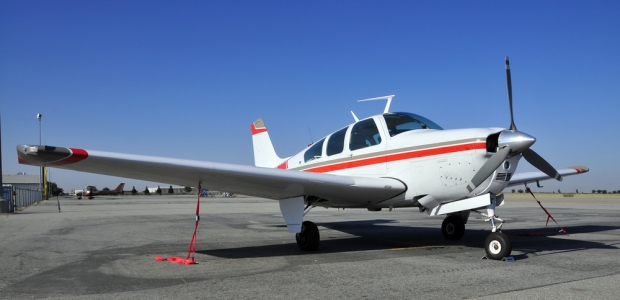
The Flight Risk Assessment Tool helps them create realistic, numerical thresholds that trigger additional levels of scrutiny prior to a go/no go decision for a flight.
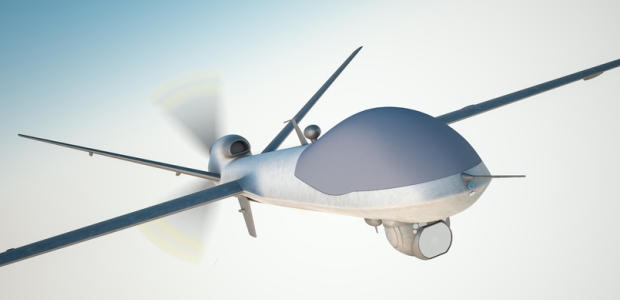
The demonstration is bringing together some 1,000 industry personnel, observers from allied nations, and participants from four military branches.