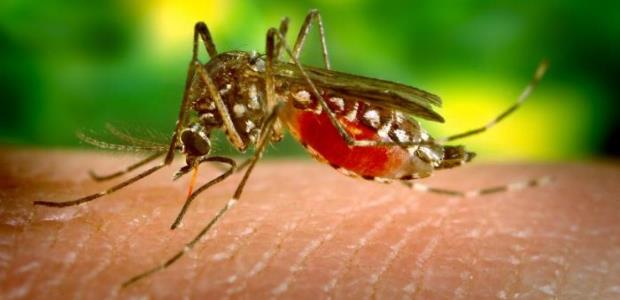
"The increasing problem of drug resistance demands that we continue to find new and effective treatment options for malaria infection," said NIAID Director Dr. Anthony S. Fauci, M.D.
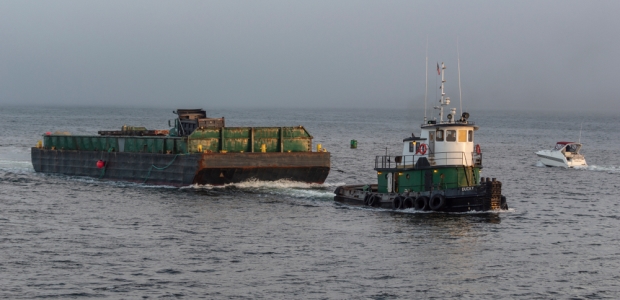
The annual safety report on the industry from the U.S. Coast Guard and the American Waterways Operators shows there were only six fatalities related to towing vessel operations. Seven other deaths were from existing medical conditions and an accidental overdose.

SPONSORED
Learn practical tips that you can bring to your organization and understand the benefits to safety management and the enrichment of a safety culture through automated, integrated health and safety management software.

In light of the hurricanes and wildfires of 2017, FEMA and its Ready Campaign have chosen to focus their 2018 National Preparedness Month initiative on planning, with the theme "Disasters Happen. Prepare Now. Learn How."
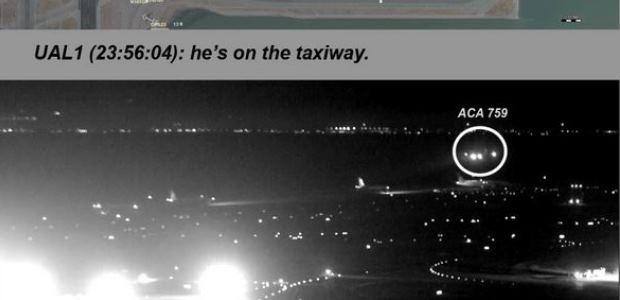
Air Canada flight 759, an Airbus A320, was cleared to land on runway 28R at San Francisco International on July 7, 2017, but the airplane instead lined up with parallel taxiway C, which had four airplanes on it awaiting takeoff clearance. Air Canada flight 759 descended to about 60 feet above the ground, and the crew then initiated a go-around after overflying the first airplane on taxiway C.

The Governor's Traffic Safety Committee estimates 50,000 motor vehicles illegally pass school buses every day across New York State.

Since Aug. 6, 29 employees throughout the Pennsylvania prison system have fallen ill in 13 separate incidents. Some inmates have also become ill. According to Corrections spokeswoman McNaughton, only synthetic cannabinoid (also known as K2 or spice) has been connected to the illnesses.
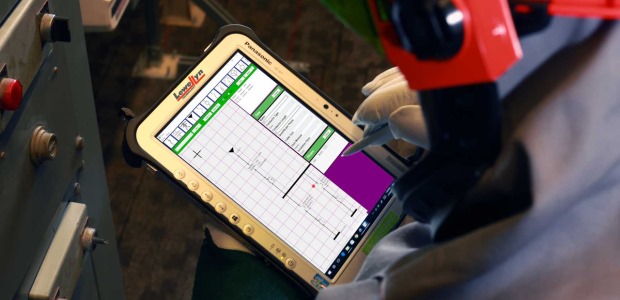
A comprehensive approach is critical for workplace safety, and its benefits will go beyond compliance: Operational excellence will follow.

More than 14,000 safety professionals are expected to attend this year's NSC Congress & Expo, being held in Houston from Oct. 20 through 26.
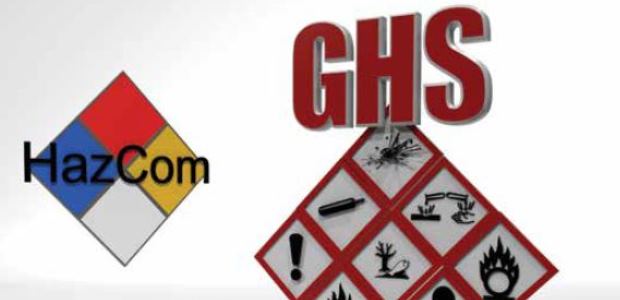
This type of training must occur early, often, and as close or specific to the actual location and usage scenario as possible.

Pay attention to in-depth incident metrics, make adjustments to your safety practices accordingly, and you won’t have to worry as much about your TCIR rate.
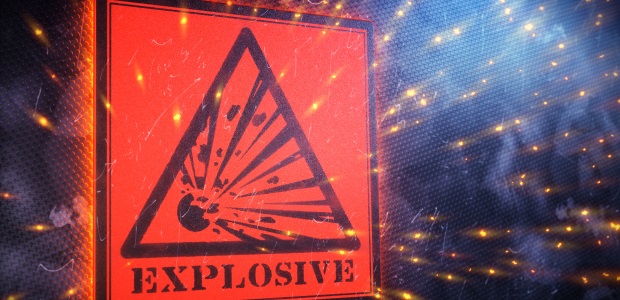
Awareness training, good housekeeping, reference to safety data sheets, and adopting best practice should, in combination, minimize the potential for an explosion.
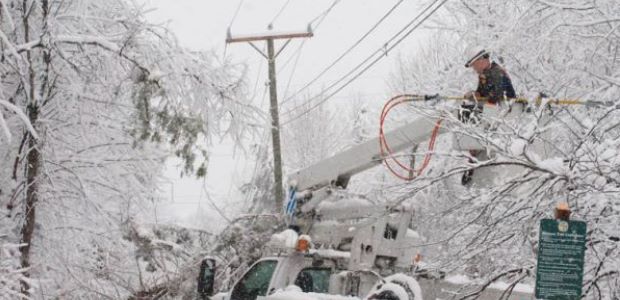
Introducing cold weather work tips and other outdoor cold weather safety concepts in trainings during the early fall can help workers get into the mindset.
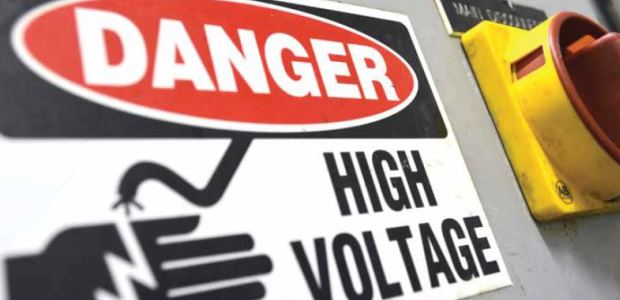
Having labels with warnings on them is just one piece of the pie when it comes to a robust electrical safety program.

Compliance is an all-day, every-day requirement.
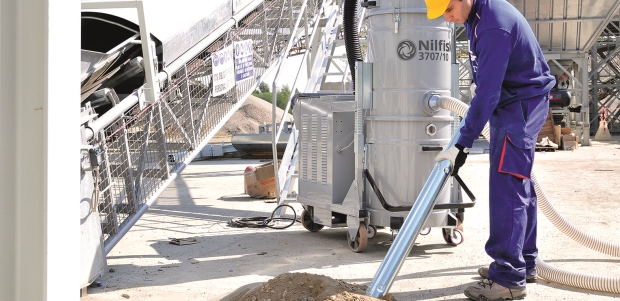
On June 23, most provisions of OSHA's silica standard for general industry became enforceable. Many employers still have a long way to go to achieve full compliance.

ANSI Z359.18-2017 increases testing rigor—and it introduces field application testing, anchorage connector types, and labeling requirements.