
Episode 5
OH&S Editor Sydny Shepard and Combustible Dust expert Russell Ogle discuss the hazards of combustible dust, what to look for and how to react in the event of a catastrophic incident.

More than three in five Americans are lonely, according to a recent report—and co-worker relationships have a significant impact.

Mesothelioma is a threat to employees everywhere, and it starts with asbestos exposure.

Washing your hands is more important than you might think--especially during flu season.

As the presidency has continued, more and more people wonder if Trump’s presidency favors employers over workers and their rights.

People have been trying to solve the problem of musculoskeletal injuries for years. However, ergonomics is simply not the whole answer.

Combustible dust is a prominent threat in many workplaces, and it’s no wonder OSHA has a number of regulations and standards on the topic. Here is what you need to know about the hazards, causes, and risks of combustible dust in the workplace.

Firefighters, police officers, and other first responders never know what a day on the job is going to look like. Many of these people deal with high levels of trauma, and their mental health record is taking a toll.

Nursing faculty from Purdue University in Indiana raised their own alert on vaping products last months after the CDC confirmed Indiana as the leading state for vape-related deaths.

Did you know that your biggest daily exposure to air pollutants comes while driving to work? A recent study from the University of California gives tips on how to best clean the air inside your car.

Public comment has been requested on NIOSH’s 2020-2029 draft for motor vehicle safety. It aims to minimize work-related vehicle crashes as usual, but here are its new and different focuses.

Since the lockout at a Co-op refinery began on Dec. 5, the provincial labour ministry has not received any reports of injuries or dangerous occurrences. Yet, OHS officers have not visited the Regina refinery since the lockout began.

Do you ever think about what staring at screens does to our eyes all day? Harvard Health Publishing investigated blue light and its effects on our sleep and health.
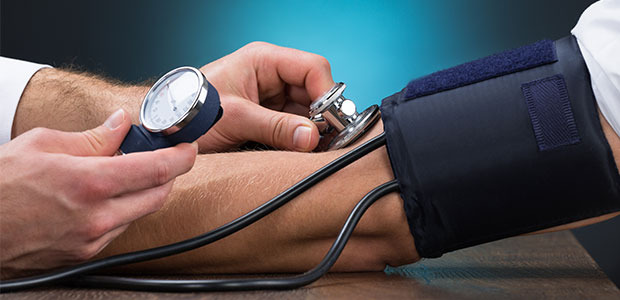
A recent study by the American Heart Association tested the blood pressure from employees who worked 49-plus hours on the job weekly compared with that of those who worked fewer than 35 hours a week. The results suggest a bigger problem of hypertension than expected.
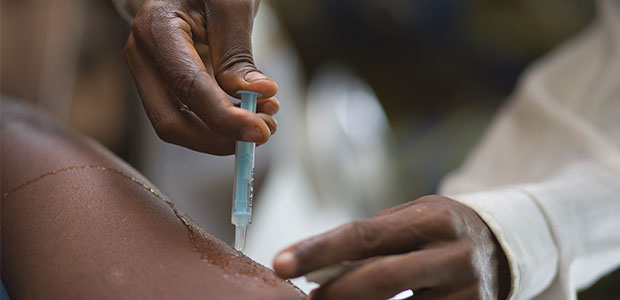
A new, injectable vaccine has been approved to fight the deadly and highly contagious virus, Ebola. Health officials hope it can start to mitigate current and future outbreaks of the disease.

The following three strategies will help you begin investing in your employees to positively impact your organization

What does OSHA say now about online training, and where may it be headed?