
UTSA assistant professor will use technology to help advance steel worker safety.

Episode 34
Hazard Communication has consistently sat near the top of OSHA’s Top 10 Most Frequently Cited Standards for quite a while now. To understand why, and dive a little deeper into the subject, I interviewed Stephen Badger, a safety management consultant with 34 years’ experience with Hazard Communication. Check out this episode to learn more about the history of the standard, the requirements to comply and how you can avoid citations.

States have unveiled their plans to distribute the coronavirus vaccine, which, as of yet, has not been approved by the FDA.

The additional hires will help the influx of patients that will contract the flu or coronavirus as temperatures drop and the number of illnesses across the country rise.
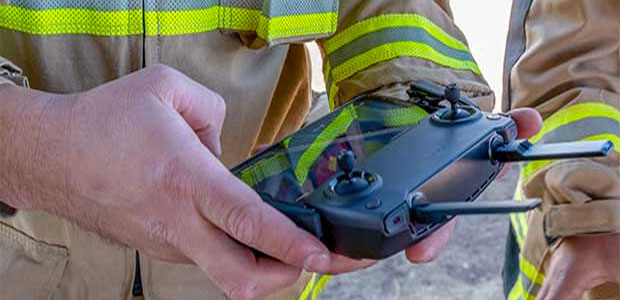
Scottsdale’s fire department enrolled 14 firefighters into a drone-pilot program to make their missions safer and more efficient.

Episode 33
In this mini episode of the podcast, Editor Sydny Shepard reports the top 25 most dangerous jobs in America, the NFPA's new campaign for electrical safety and how OSHA has refined its COVID-19 recording requirements.

Michigan’s governor collaborated with MIOSHA to introduce new guidelines for employers to follow in the wake of COVID-19.

A total of $26.6 million will go toward agriculture and food worker relief in Canada.
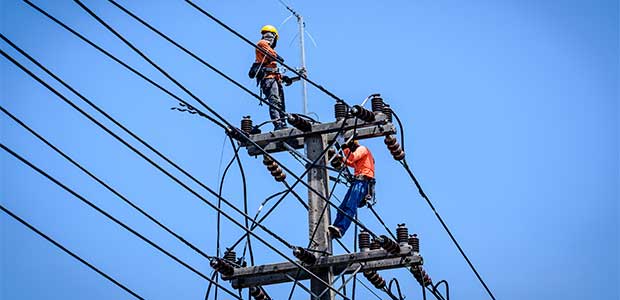
The Faces of Fire/Electrical Campaign has, so far, featured interviews with two real electrical utility workers who were injured on the job.

The northern California county's Worker Protection, Health and Safety Act went into effect on October 1.

Teaching, an already stressful occupation, has gotten more difficult as classrooms fill up with students for the fall semester.
Episode 32
Interested in knowing more about what it means for Coronavirus to be airborne? Tune in to this mini episode for a deep dive on how infectious diseases spread as well as information on top headlines like the new OSHA temporary respirator guidance and Distracted Driving Awareness Month.

Workers in high traffic businesses such as retail stores require a new level of training to suit the environment brought on by the coronavirus.

Molecular Psychiatry’s September report says slow breathing rates in opioid users leave them vulnerable to COVID-19.

The agency revised their guidance on the virus on Monday to inform of possible airborne transmission from more than six feet away.

Episode 31
Interested in the the future of safety? You are in luck. In this episode of the podcast, Editor Sydny Shepard sits down with CSU Academic Program Director Dan Corcoran to talk about safety education in today's world and how academic programs are leaning into a more specialized focus.

The guidance follows President Donald Trump’s memorandum on making general use respirators available for health care providers.