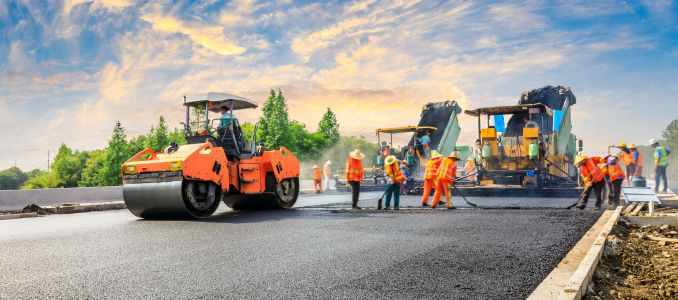
Expanding National Traffic Awareness Month to industrial sites addresses rising worker pedestrian deaths through AI edge vision retrofits.
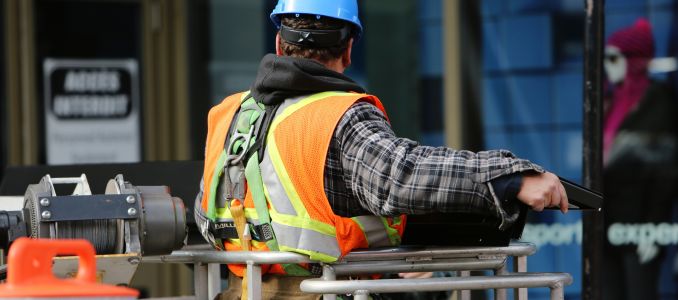
High-visibility safety orange powder coating extends detection distance, leverages peripheral vision, and prevents early drive-offs around industrial loading racks.
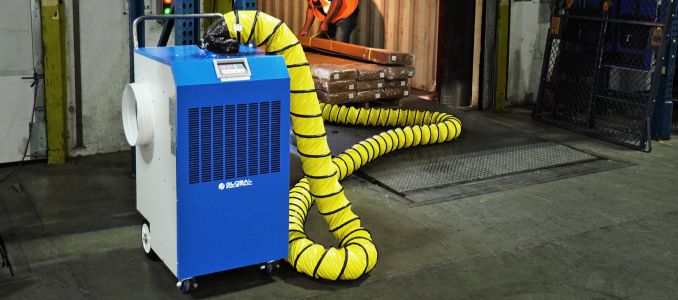
Targeted spot cooling protects workers and critical machinery from localized heat stress while avoiding the excessive costs of facility-wide HVAC overhauls.
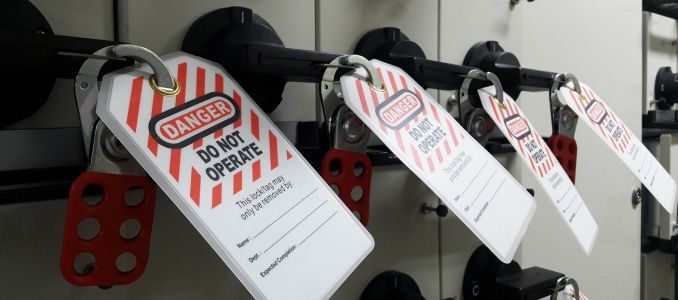
OSHA data shows missing paperwork, not missing locks, drives over 70% of lockout/tagout violations.
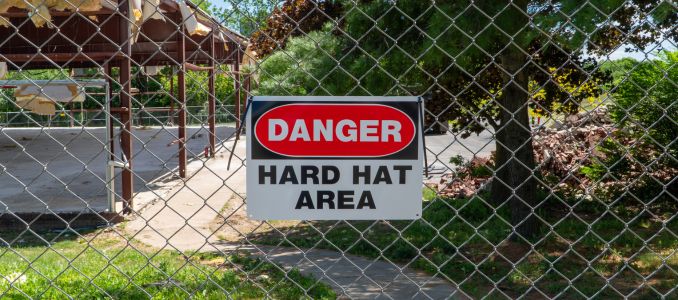
New safety solutions and facility updates focused on height protection, workplace organization and site accessibility.
Muscle memory and routine expectations create cognitive blind spots during non-routine tasks, requiring dedicated risk profiles to protect senior personnel.

As safety strategies evolve, employers risk losing the technical practitioners who connect compliance, advanced concepts and real-world risk.
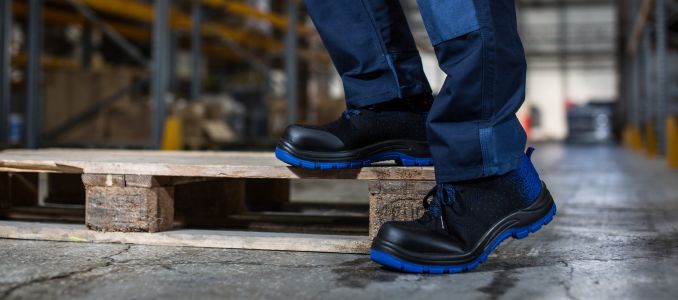
Safety boots meeting ASTM F2413 crush standards often lack essential arch support, driving plantar fasciitis and worker fatigue on hard jobsite surfaces.

Modern crane safety requires moving beyond baseline certification toward continuous, employer-verified qualification under actual site conditions.
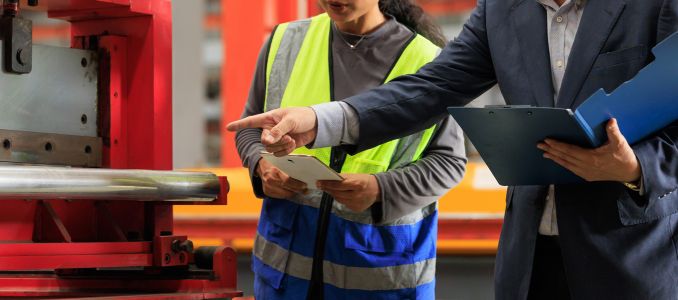
Treating recurring inspection findings as systemic warnings rather than isolated lapses exposes hidden operational failures before serious incidents occur.

Overlapping federal regulations around PFAS, silica, and heat stress require shifting from site-specific sampling projects to defensible, enterprise-wide industrial hygiene programs.

Minor safety shortcuts normalize workplace hazards and create cascading failures that trigger major construction accidents.
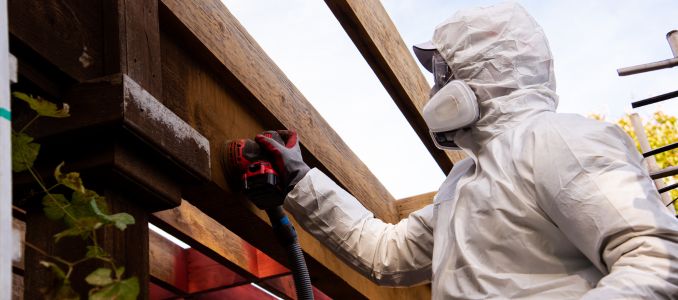
Proposed OSHA revisions seek to eliminate pre-use medical evaluations for N95s and loose-fitting PAPRs to streamline employer compliance.

Two safety innovators discuss how connected technology is bringing real-time data, incident detection and new capabilities to PPE.
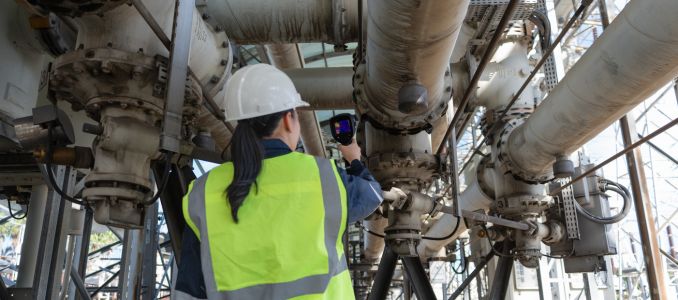
Deploying robust gas detection protects workers from invisible atmospheric hazards while maintaining operational uptime in high-stakes facilities.

Procurement decisions prioritizing office compliance over jobsite usability create a digital burden and undermine safety tech adoption.

Deploying IoT wearables and AI video analytics provides short-staffed EHS teams with continuous visibility, closing operational blind spots and stopping SIFs before they occur.