
The amendments carry out a law that, since Jan. 1, has required installers on public works projects to be certified through a nationally recognized training program.
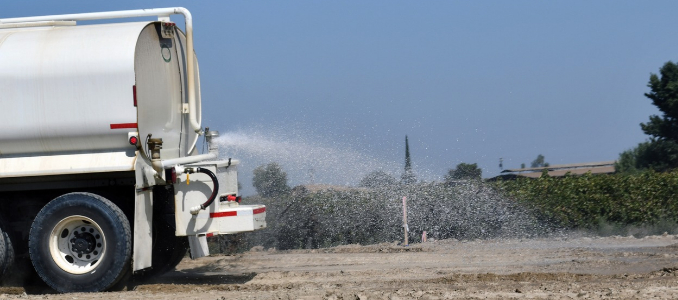
A truck most jobsites already have can wet down fire-prone ground and help control a blaze until firefighters arrive, with a few low-cost add-ons and some crew training.

Proper placement, visibility during power outages and regular testing can help ensure exit signs support safe workplace evacuations.

Entries are due Feb. 12, 2027, and the top three in each category win $300 to $500, with matching awards for first-place winners' schools.

The CGA is reaching out to Spanish-speaking construction, landscaping and fence-building workers.

Investigators found no risk assessment, lift plan or worker instructions for a regular loading task, and safer ways to secure or lift the load went unused.
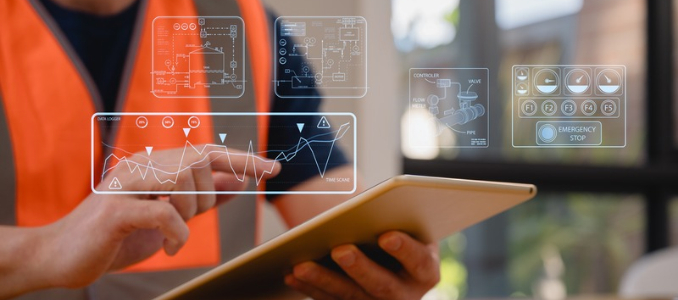
Most EHS departments already use AI, but few have scaled it. Keeping contractor data current, worker-level and standardized gives AI a reliable base for spotting serious risks earlier.
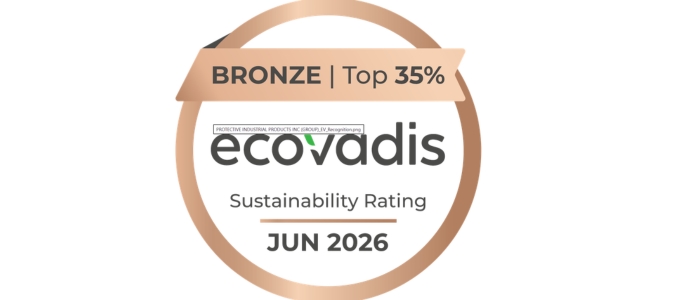
The company also joined the UN Global Compact and published its first sustainability report, with a second planned for spring 2027.
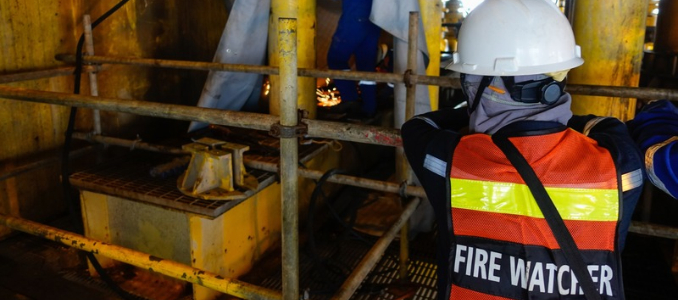
The guide covers when facilities must establish fire watch coverage, along with pre-shift hazard checks, logging and emergency response.

Board letters have gone unanswered, including one sent after Yenkin-Majestic pleaded guilty to a federal criminal charge tied to the incident.