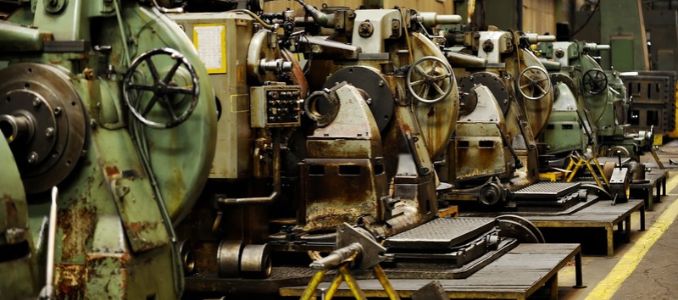
More than a century of workplace tragedies and reforms helped shape today’s safety requirements. Understanding that history can help safety professionals reinforce why established controls still matter.
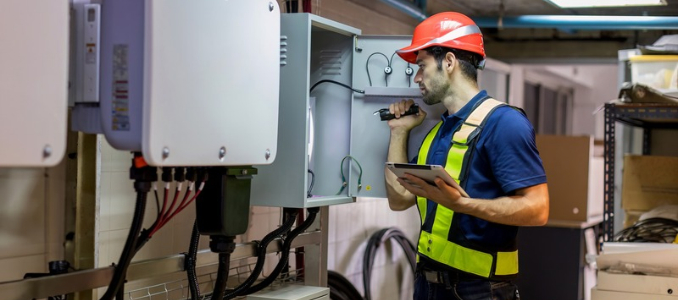
The new chapter will support regional coordination on electrical code enforcement, education and training.

J. J. Keller recognized safety leaders from a plastics equipment manufacturer, a demolition company and a logistics business.

The 50-page resource uses workplace stories and practical tips to help employees apply ergonomics without technical jargon.

Existing requirements for worker involvement and reviews of refinery hazards will remain in place.

A $95,000 OSHA grant will fund a curriculum on recognizing and responding to heat illness in communications infrastructure work.

Guides, online training and multilingual materials explain workplace hazards, worker rights and how to report concerns.
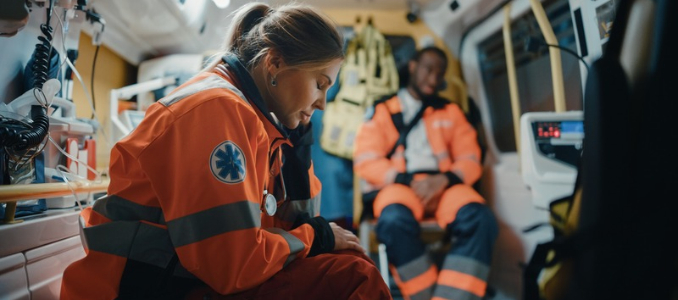
The new concentrations and certificates address stress, resilience and organizational support in high-risk public safety professions.

BRICS cooperation could shape worker protection, industrial safety and environmental health across emerging economies.

A proposed emergency regulation would prohibit fabrication of engineered stone containing more than 1% crystalline silica as California seeks to address silicosis among countertop workers.