
The Urban Fire Forum addressed firefighter fitness, PFAS research, drone use and the challenges of managing emergency services.

Practical steps construction leaders can take to strengthen mental health and substance use support for every worker on site.
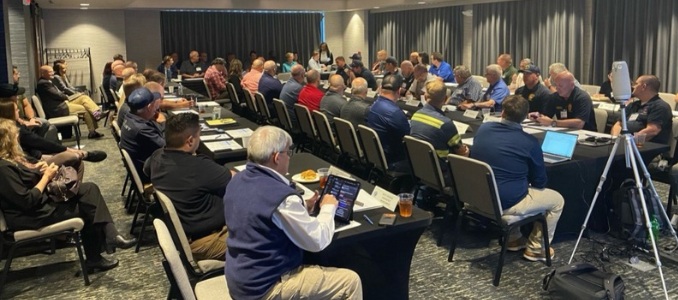
The tabletop scenario covered hazardous materials response, evacuation, communications, physical security and business continuity.

Construction firms’ safety leaders wrote case studies on drones, incident data, heat and digital hazard planning.

Organizations can reduce safety risk by ensuring workers can access trusted operational knowledge when and where they need it.

A serious incident is often the moment a company realizes its safety reporting process had been failing long before that day.

Union locals and individual donors contributed more than $3,000 to Second Helpings during the division’s fall meeting.

Researchers developed a system that combines helmet detection with head-location technology to determine whether workers are actually wearing protective headgear.
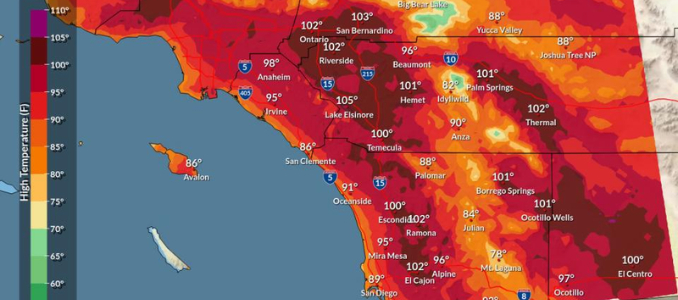
Indoor protections apply at 82 degrees, while outdoor shade must be in place when temperatures exceed 80 degrees.

Coordinated care and injury data can help employers support distributed workforces and identify opportunities for prevention.