Businesses across the country can access free resources to strengthen safety programs and recognize workplace achievements.
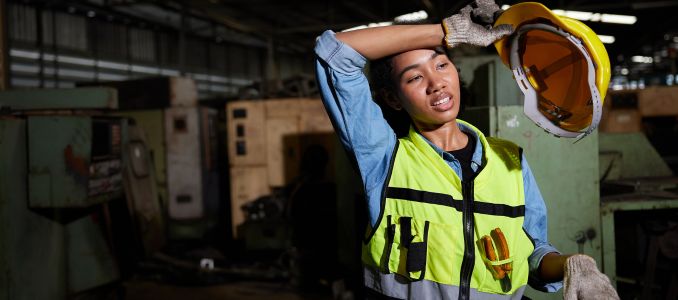
State safety officials urge companies to enforce indoor and outdoor heat protocols as temperatures soar across California through August 2.
The public meeting will review blaster licensing applicants and may include recommendations to the state labor commissioner.
Over-relying on backward-looking compliance metrics like TRIR consumes critical bandwidth without addressing the root causes that drive serious workplace harm.

Surge in Michigan workplace deaths prompts state officials to call for proactive safety measures and hazard training.
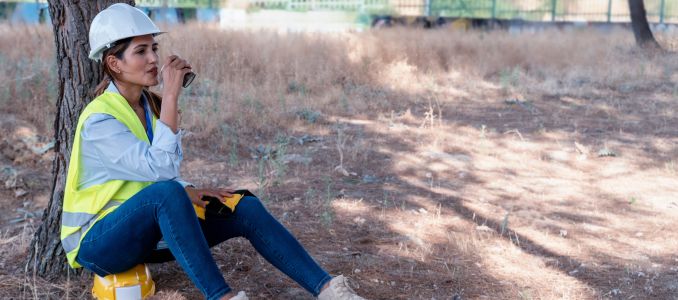
Guidelines mandate shaded rest areas and scheduled cool-down periods when temperatures reach 90 degrees.

Safety briefings and workplace posters fail to prevent musculoskeletal injuries because passive learning lacks muscle memory; bridging the gap requires hands-on practice with immediate feedback.
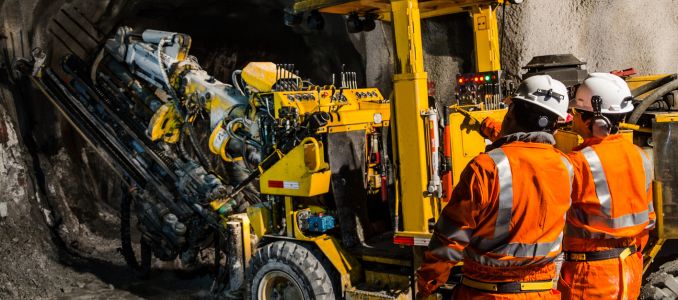
Federal safety officials release best practices after two fatal incidents involving heavy equipment loading and underground roof falls.
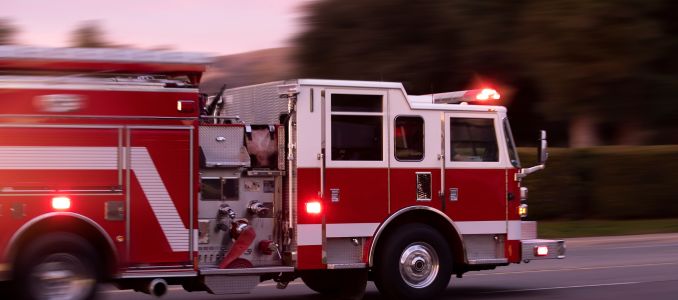
The latest annual report found firefighter fatalities increased 17 percent from the previous year, with heart attacks remaining the leading cause of death and crash-related incidents continuing to pose significant risks.
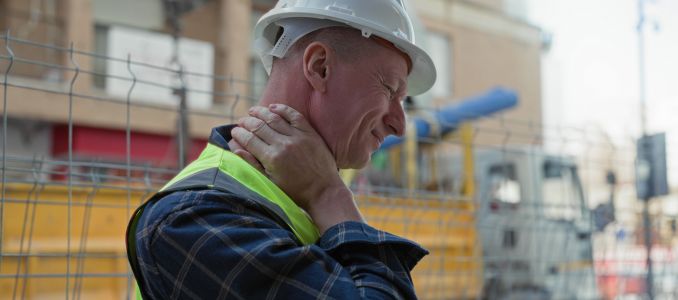
Revisiting Frank and Lillian Gilbreth’s motion study principles reveals that "therblig" micro-movements aren't just tools for industrial speed; they are the key to eliminating soft-tissue strains and cumulative biomechanical debt.