
New safety offerings span impact gloves, winter gear, connected gas detection, fire suppression services and protective fabrics.
Read Now

A shrinking pool of skilled technicians is leading to deferred maintenance, less supervised repairs and weaker lockout/tagout and recordkeeping practices, raising both injury and compliance risks.
Read Now

Digital two-way radios leverage customizable emergency alerts, remote monitoring and automated safety features to protect lone workers and maintain operational continuity.
Read Now
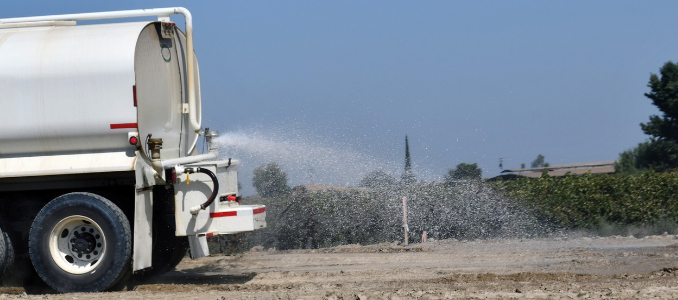
A truck most jobsites already have can wet down fire-prone ground and help control a blaze until firefighters arrive, with a few low-cost add-ons and some crew training.
Read Now
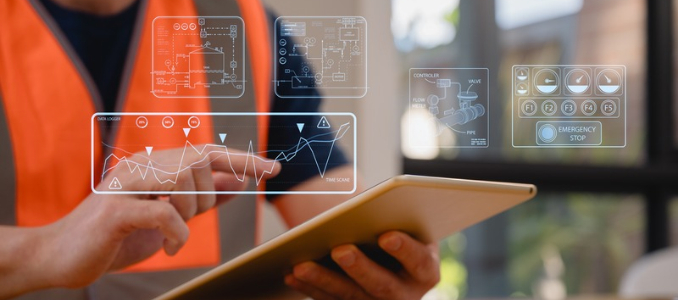
Most EHS departments already use AI, but few have scaled it. Keeping contractor data current, worker-level and standardized gives AI a reliable base for spotting serious risks earlier.
Read Now
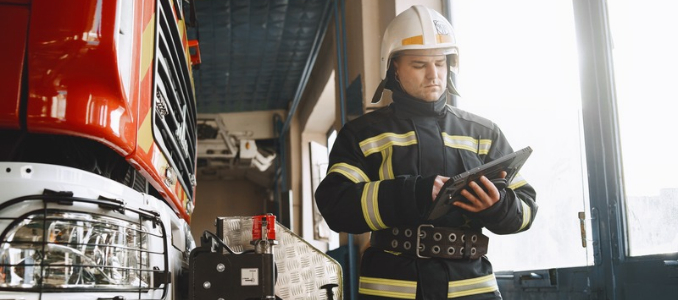
New national incident data could help responders prepare for OSHA’s proposed Emergency Response Standard.
Read Now