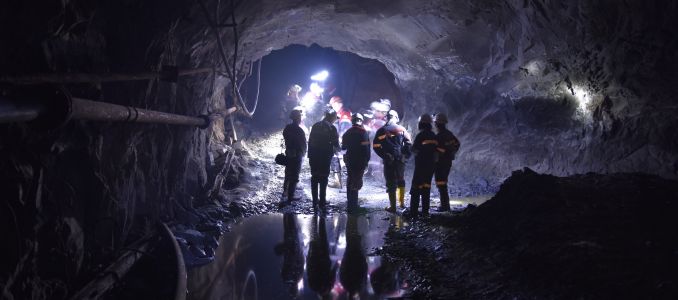
Renewed partnership focuses on providing training resources and technical assistance to protect the health of aggregate miners.

The American Society of Safety Professionals has introduced the first U.S.-based guidelines for assessing and managing organizational risk.
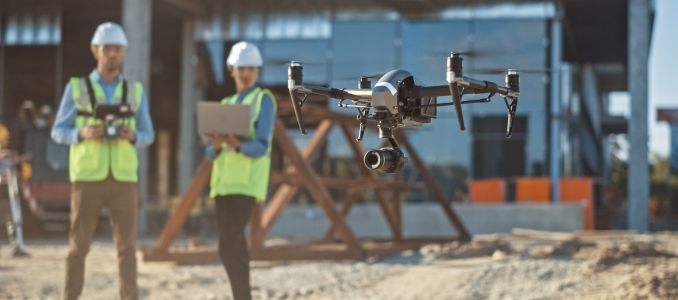
Leveraging UAVs and virtual health solutions helps contractors overcome the high costs of on-site clinics while speeding up life-saving interventions.
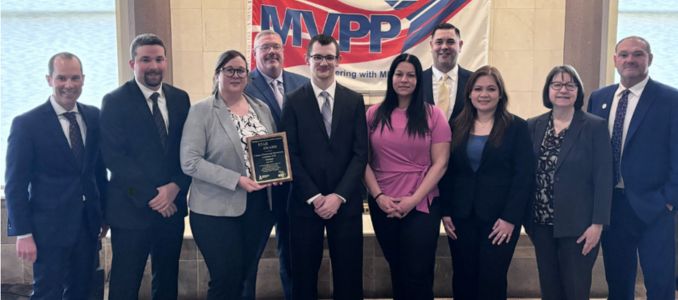
The recognition highlights the role of comprehensive safety management systems, employee engagement, and proactive hazard control in reducing injuries and strengthening workplace safety performance.

Standardize safety reporting and leverage data-driven insights to catch early warning signs and prevent routine workplace hazards from escalating.
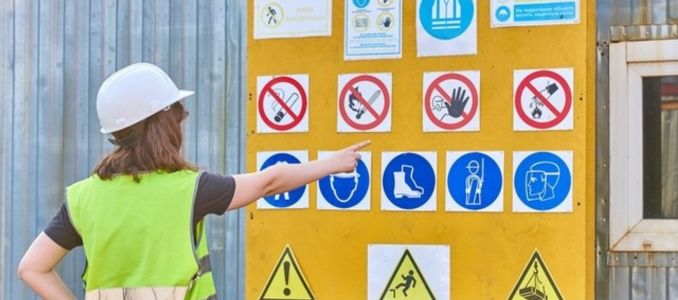
Is your jobsite drowning in signs? Learn how habituation dulls workers' attention and how to restore the impact of critical safety communication.

Explore the financial, training and political factors that determine whether an organization sticks to the safety basics or invests in excellence.

Why formal safety systems in garment hubs like Vietnam and Bangladesh work best when they value the frontline observations of the sewing line.

Discover how rideshare accident risks inform better safety protocols, fatigue management, and training for mobile and contract workforces.
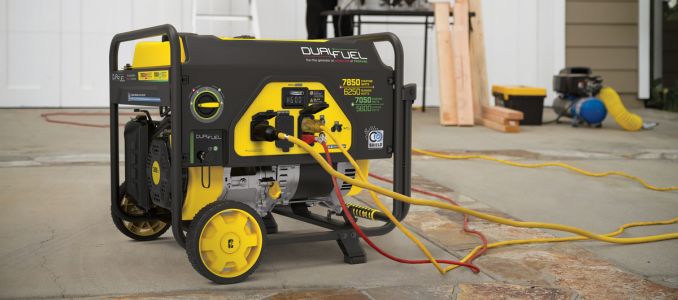
The PGMA highlights the importance of CO-shutoff technology and proper outdoor operation to protect workers from carbon monoxide risks.
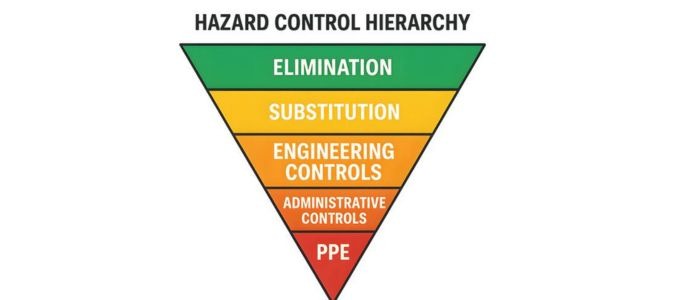
Too often organizations start with PPE instead of eliminating hazards at the source. Applying the Hierarchy of Controls in the correct order is key to sustainable risk reduction and safer workplaces.

Safety performance does not improve through isolated programs. It improves when organizations align strategy, leadership, and culture to build sustainable capacity.
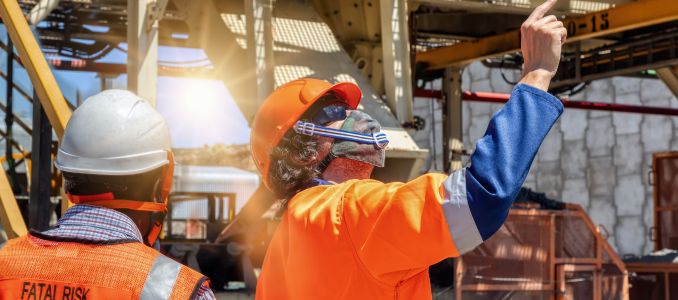
The Mine Safety and Health Administration issued a health alert on ammonia exposure risks in mining, urging stronger ventilation, training and PPE to protect workers.

Musculoskeletal disorders driven by fatigue, repetitive motion, and poor workstation design are straining workers and threatening the sustainability of the modern supply chain.

Safety experts warn that fatigue can impair judgment and lead to system-wide failures, not just individual injuries.

The International Facility Management Association’s new report introduces the FM Workload Index and shows rising workload expectations for facility professionals worldwide.

Regular culture checks help leaders align strategy with real work, prevent drift, and improve both safety performance and business results through disciplined assessment and execution.
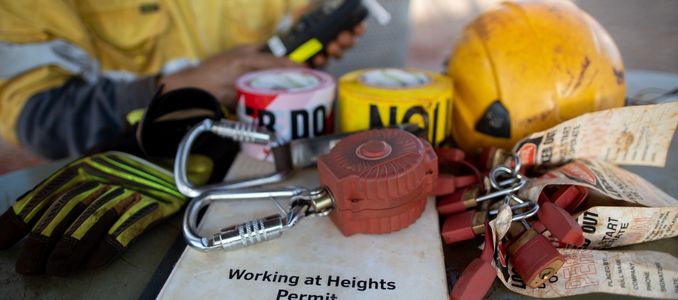
Annual fall protection inspections help building owners identify compliance gaps, meet OSHA requirements, and ensure rooftop safety systems continue to protect workers.

Why traditional safety metrics fail to prevent serious injuries and fatalities—and how AI helps EHS teams identify PSIF risks before life-altering events occur.

A decade of change in safety practice highlights the growing importance of foresight in managing risk and organizational performance.