The explosion shot a ball of flame 50 feet into the sky Tuesday night after residents reported smelling gas.

The company does not expect to begin drilling until 2013 or 2014. It promised "to use the intervening time to fully implement the lessons learned from the investigations into the Montara and Deepwater Horizon incidents."

Several organizations are working with TRANSCAER, the voluntary national program helping responders and communities prepare for hazmat transportation incidents, as it begins a yearlong training effort in Stockton, Calif.

Unionized London firefighters agreed after mediation to accepted 10.5-hour day shifts starting at 9:30 a.m. and 13.5-hour night shifts starting at 8 p.m. The Fire Brigades Union called two one-day strikes last fall after years of talks could not resolve the issue.

Skip Kirkwood, 2011-12 president of the National EMS Management Association (NEMSMA), said the development of competency models for three levels of EMS officers is well under way.
Applications for the 2012 grant must be submitted by Sept. 15, 2011.
CPR training in schools should cover several key areas, including how to recognize an emergency, an emphasis on high-quality chest compressions and skills practice, according to the advisory.
The agency issued the recommendations following the Aug. 9 plane crash that killed former Sen. Ted Stevens and five other passengers.
The milestone kicked off Cintas Corporation's ReviveR Survivor Program, an initiative honoring responders who demonstrate lifesaving skills with the AED.
The nonprofit organization provides radio frequency technology and training to public safety agencies to help locate people with cognitive disorders.
A story posted and broadcast Dec. 30 by NPR about a Colorado emergency responder's post-traumatic stress disorder is sparking a lively debate about the cost of treatment.
Time's running out to register and take part in the National Conversation on Public Health and Chemical Exposures, a two-day web forum presented by ATSDR that will take place Jan. 5-6.
The grants are competitive, and their primary goal is to target high-risk populations, according to DHS.
The summit's goal is to produce a strategic plan that can be used to address issues, challenges, and concerns about volunteerism critical to the future of the emergency-response community and to the financial well-being of the nation.
It's time to look in the mirror and take stock. By just providing what the laws and regulations require, we are by default deciding we will do the least we can do.
The AHA's new 2010 Guidelines focus on chest compressions.
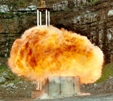
Stakeholders seeking control measures to minimize the probability and severity of combustible dust incidents should work more closely with the fire service.
Detective Gerald Elliott of the Durham, N.C., Police Department was saved with an automated external defibrillator in August 2009. One year later, he and others used one to start someone else's heart.
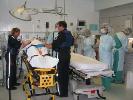
Illinois law states that when hospitals need to transfer trauma patients to centers with higher levels of trauma care, such transfers should be made within two hours. A new study, published in the December issue of the Archives of Surgery, concludes that the two-hour mandate isn't cost-efficient because it does not lead to better patient outcomes.
Pike River Coal, the company that owns the mine where 29 miners died Nov. 19, has gone into receivership. The receivers presented a draft re-entry plan Dec. 22 to local police.