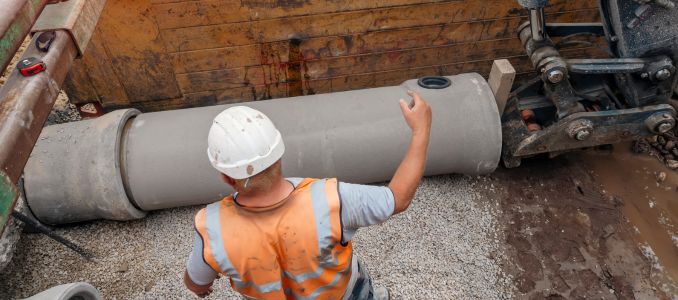
Federal investigators propose $4.6 million in penalties for Revoli Construction after a Yarmouth cave-in kills one worker.
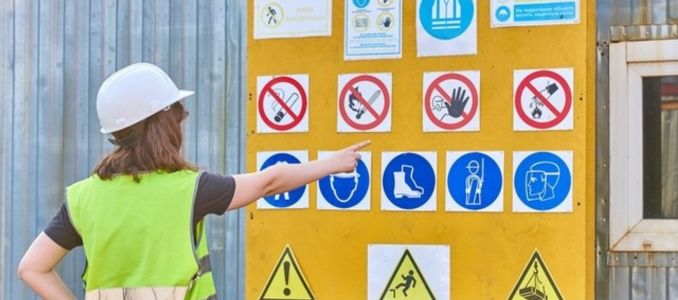
Is your jobsite drowning in signs? Learn how habituation dulls workers' attention and how to restore the impact of critical safety communication.
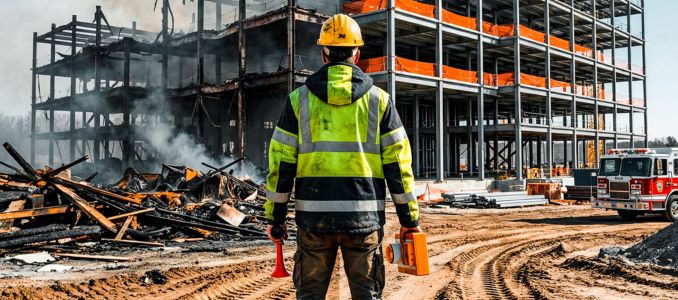
New industry whitepaper outlines upcoming NFPA 241 code changes and the role of wireless detection in protecting complex jobsites.

Partnership aligns workforce training with professional credentialing standards to streamline career advancement for safety leaders.

Stack Construction Technologies report identifies bias, PPE gaps, and workplace barriers impacting safety, retention, and career advancement for women in construction.
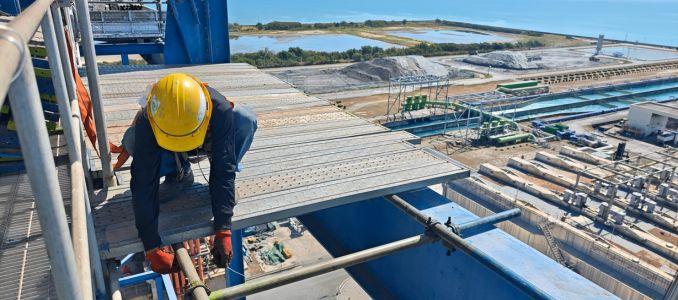
The difference between worksite risk and reliability lies in rigorous inspection, clear accountability, and the shift toward digital safety tracking.
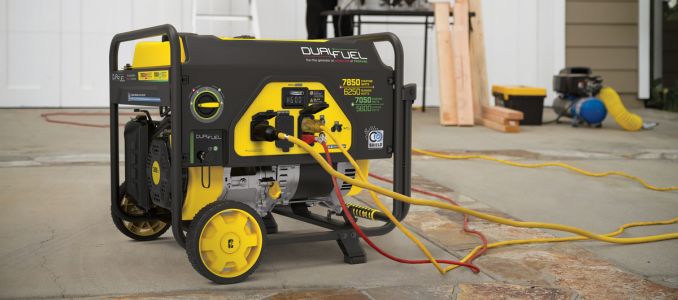
The PGMA highlights the importance of CO-shutoff technology and proper outdoor operation to protect workers from carbon monoxide risks.

Industry leaders highlight SIF prevention, standardized systems, and data-driven strategies to improve jobsite safety and project outcomes.
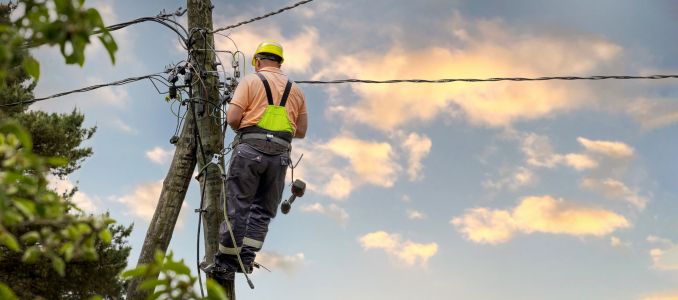
OSHA proposed $49,650 in penalties against Primoris T&D Services following a utility pole accident that killed one worker and injured two others.

The Oregon Occupational Safety and Health Division issued more than $113K in penalties to a residential contractor for repeat safety failures.

Virginia labor officials are recognizing Women in Construction Week by highlighting the growing role of women in the state’s construction workforce and promoting workplace safety initiatives.

A new peer-led support program aims to reduce suicide risk and promote mental wellness among unionized construction workers in New York City.
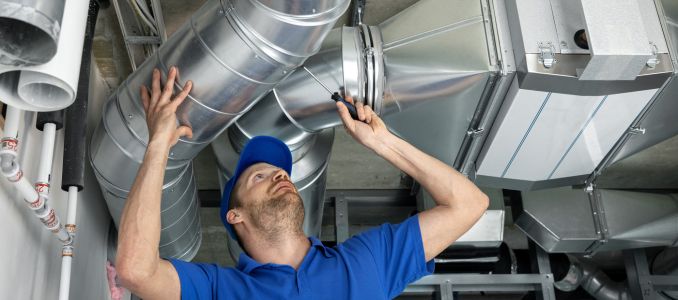
An OSHA investigation into a Bal Harbor Shops worksite fatality resulted in two serious violations and $28,135 in proposed penalties for Hyvac Inc.

A structured toolkit helps supervisors recognize warning signs, respond appropriately and connect workers to support.

State labor officials marked Women in Construction Week with a new public awareness campaign and toolkit designed to increase women’s participation in the building trades and expand equitable apprenticeship pathways.

Outdated assumptions about training, technology, and costs continue to expose construction crews to unnecessary risk. Rethinking these common safety myths can strengthen protection, improve efficiency, and support long-term business performance.

From heat stress and dehydration to cold exposure and storm-related hazards, shifting weather patterns are increasing construction safety risks. Here’s how supervisors can plan and protect crews every season.

As construction projects grow more complex, safety is using AI-backed collision avoidance and connected data to reduce blind-spot incidents and push safety culture beyond compliance.

Labor Commissioner Luke Farley directs OSH Division to target top workplace killer with new enforcement and education initiative.

As government construction grows, safety and procurement teams must ensure PPE meets Trade Agreements Act (TAA) sourcing rules without compromising protection.