
A five-step guide for implementing connected safety for construction workers and setting your organization up for success.

The Safety Days return April 2-3, providing industry professionals with essential training on workplace safety and best practices.

Washington Timber Company Fined $115K for Child Labor Violations After Teen Injured.

Following recent legislative changes, L&I is implementing new permit requirements ensuring safer assembly, disassembly, and use.

Smelly Mel’s Plumbing and Sewer Rat Plumbing was fined $529,640 for safety violations after serious injuries to a construction worker during a trench collapse.

This voluntary consensus standard outlines best practices for hazard communication, regulatory compliance, and training.

The new dual-vision cameras combine thermal and visual imaging, allowing for 24/7 incident detection.

BCSP partners with India’s CIDC to promote global safety standards and workforce development in the construction industry, enhancing safety practices and professional certification pathways.

A New Jersey roofing contractor faces $328,545 in OSHA fines for repeated safety violations, including fall hazards at three worksites.

A Medford, Massachusetts construction company owner was sentenced to prison and ordered to pay $2.8 million for tax crimes and lying about a fatal workplace accident.

Bandera Utility Contractors LLC faces $107,228 in penalties for exposing workers to unprotected trench conditions.

RIGID Constructors LLC faces over $50,703 in penalties for failing to prevent a worker’s drowning at a North Carolina worksite.

Patriot Paving Group faces $161,325 in penalties and five willful violations.

Oregon OSHA fined a Newberg contractor $135,407 for repeated safety violations, including failing to protect workers from fall hazards.

Coastal Gunite Construction faces four serious violations and $40,329 in proposed penalties.

The revision requires each worker is provided with properly fitting equipment.

NIOSH identifies construction sub-sectors with the highest hearing loss risks and offers targeted prevention strategies.

The advisory committee provides OSHA with policy guidance on construction safety and health.
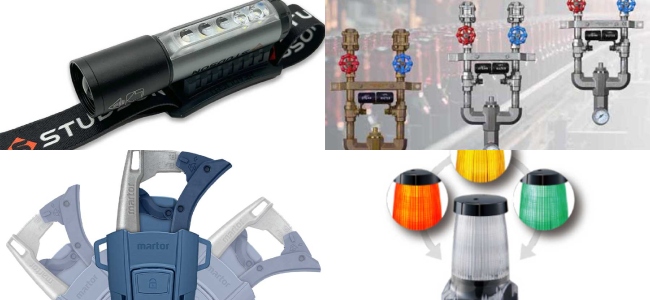
This week’s new safety products enhance workplace safety and productivity with solutions like telescoping headlamps, washdown stations, metal detectable holsters and flashing beacons.

Why contractor assessment and safety monitoring matter more than ever.