
A new global report reveals a disconnect between safety protocols and worker behavior, prompting firms to invest more in training and technology.
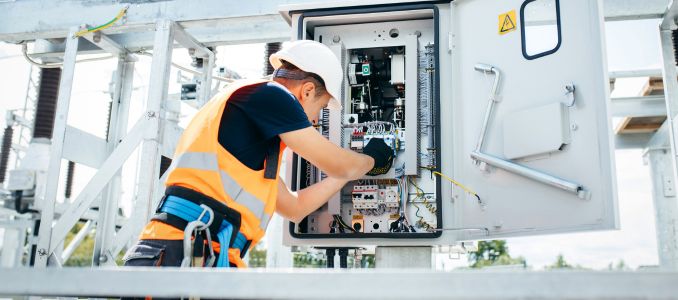
A new $2 million prize aims to catalyze engineering breakthroughs that physically prevent fatal electrical contact on the job.

Why formal safety systems in garment hubs like Vietnam and Bangladesh work best when they value the frontline observations of the sewing line.

Stack Construction Technologies report identifies bias, PPE gaps, and workplace barriers impacting safety, retention, and career advancement for women in construction.

The difference between worksite risk and reliability lies in rigorous inspection, clear accountability, and the shift toward digital safety tracking.

Understand why the physics behind your flow calibrator—primary versus secondary standards—dictates the legal and medical integrity of your worker exposure results.

The New Jersey-based firm celebrates six decades of expansion, infrastructure resiliency and community-focused technical solutions.

OSHA proposes $275,694 in penalties for SV Labs following a nitrocellulose blast and fire at its Prescott facility.

New agency-wide effort focuses on collaboration and compliance assistance to help employers meet federal workplace requirements.

Discover how rideshare accident risks inform better safety protocols, fatigue management, and training for mobile and contract workforces.
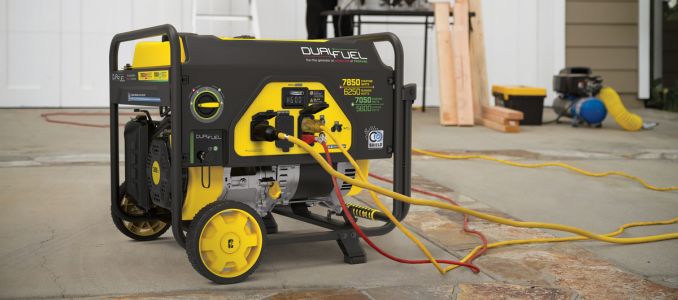
The PGMA highlights the importance of CO-shutoff technology and proper outdoor operation to protect workers from carbon monoxide risks.

Industry leaders highlight SIF prevention, standardized systems, and data-driven strategies to improve jobsite safety and project outcomes.

Move beyond one-size-fits-all. Discover a six-step, employee-driven approach to implementing PPE programs that actually protect women in the workforce.

A worker’s broken arm led to an investigation revealing repeat hazards and more than $326,000 in proposed federal penalties.

New FSRI research offers data on how glazing and frame materials withstand fire spread, aiding structural hardening and safety specs.

New federal guidelines offer a three-step roadmap for workplace safety, though experts suggest weighing participation against enforcement risks.
A new Safety Champions Program aims to help employers strengthen workplace safety through a voluntary, structured framework.

With warehouse injuries doubling across the sector, human-centric robotics are removing workers from the path of exposure without displacing them.
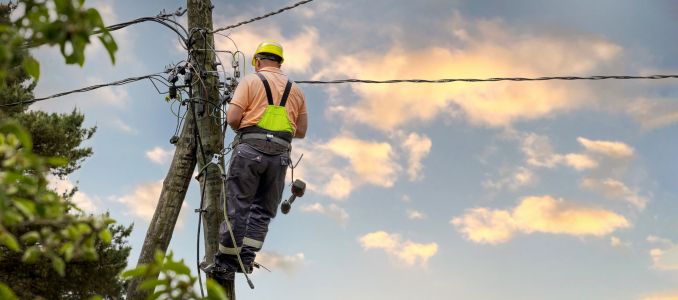
OSHA proposed $49,650 in penalties against Primoris T&D Services following a utility pole accident that killed one worker and injured two others.

A new OSHA toolbox talk emphasizes that most workplace electrical fatalities occur outside traditional electrical trades and outlines practical steps employers can take to reduce risk.