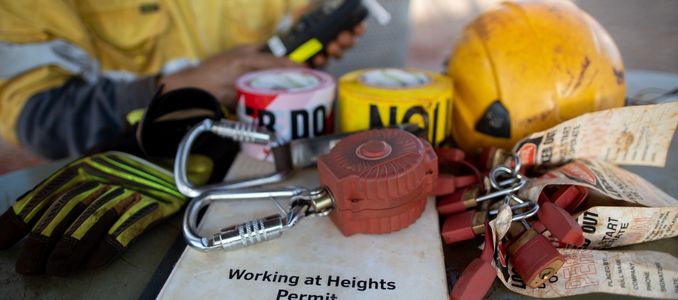
Annual fall protection inspections help building owners identify compliance gaps, meet OSHA requirements, and ensure rooftop safety systems continue to protect workers.

Washington’s Labor & Industries department fined roofing companies more than $1.4 million for repeat fall protection violations, citing ongoing risks from falls at height.

Even with better technology and regulations, human behavior remains the leading cause of workplace incidents. Here’s what safety leaders need to understand—and fix—in 2026.

Many organizations meet OSHA’s Hazard Communication requirements on paper, but gaps in understanding and application continue to undermine chemical safety in real-world work environments.

Stories about near misses, lessons learned, and everyday work can bridge the gap between written safety rules and real-world behavior—when used thoughtfully and supported by leadership and technology.

Research shows that compliance-focused safety training alone rarely delivers lasting risk reduction, prompting calls for competency-based, risk-informed learning models.
This week’s Friday Roundup highlights new emergency response equipment, maintenance solutions that extend system performance, digital tools to simplify regulatory compliance, cold-weather PPE innovations, and industry efforts to improve fit and inclusion for women in the skilled trades.

Reducing safety investment may deliver short-term savings, but U.S. data shows it often leads to higher financial, legal, and operational costs over time.

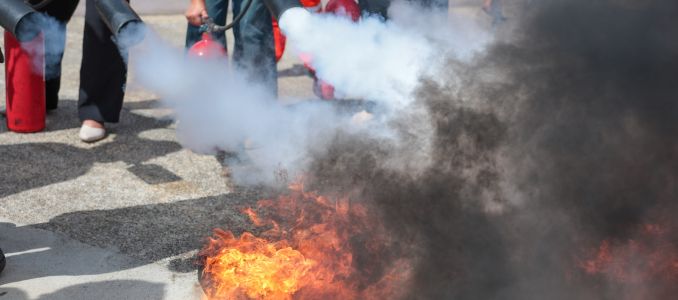
Construction jobsites are filled with hidden fire hazards, especially during hot work—here’s how to reduce risks, equip crews, and stay ready when seconds count.

Why traditional safety metrics fail to prevent serious injuries and fatalities—and how AI helps EHS teams identify PSIF risks before life-altering events occur.

A decade of change in safety practice highlights the growing importance of foresight in managing risk and organizational performance.

New data highlight differences in preparedness, training, and employer trust as Gen Z and millennial workers encounter legacy hazards on older job sites.

As digital safety tools become central to occupational health, organizations are rethinking how they protect lone and vulnerable workers through automation, smarter communication, flexible protocols and stronger safety cultures.

As organizations face tightening budgets and economic pressure, occupational health and safety is often viewed as a discretionary expense. Global data and risk-based frameworks tell a different story—one in which underinvestment in safety leads to predictable human, legal, and financial consequences.

Occupational health professionals play a critical role in spotting early indicators of sensory loss. Knowing when to refer for a workplace assessment can prevent burnout, improve retention, and ensure employees receive the adjustments they need before issues escalate.

The new federal program aims to expand registered apprenticeships in advanced manufacturing, strengthening workforce training and supporting safer performance in safety-sensitive roles.
As wildfire risks grow nationwide, NFPA’s 2026 Wildfire Community Preparedness Day funding highlights the increasing overlap between community resilience and occupational safety responsibilities.