Leadership is the key to an ideal safety culture.

As the hot weather approaches or if you have a hot work environment, get your employees into a temperature hardening program so they become acclimated.
The best way to use the time while we await the new labeling regulation is to train users to fit protectors correctly and use fit testing to document the protection provided by a given protector.
Orienting and training employees is a crucial step in promoting a safe work environment, which will determine company insurance costs in the near future.
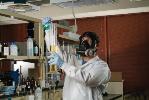
A working knowledge of applicable standards is critical to a company's continued success. However, understanding your requirements isn't necessarily easy.
Selection and employee training and assessment are your end to the process, not the beginning.

Requiring offshore operators to submit and then audit a Safety and Environmental Management Systems plan means their training and safety management elements will stay current.

For those unavoidable times when spills do occur, work areas that contain hazardous chemicals should have a properly labeled chemical spill response kit.
Current drug testing programs, following the lead of federal programs, do not identify most nonmedical prescription and synthetic drug use.

It was hot, and it immediately became difficult to breathe. The space inside the condenser was, in a word, confining.
As mass manufacturing and processing of fresh produce increases due to demand and dietary recommendations to increase fruit and vegetable consumption, so may the risk from foodborne illness.
The latest knowledge in resuscitation science guides AED/CPR programs and training.
"We teach our client how to engage their people in continuous improvement teams. And then the employees start solving their own problems."
The security professional needs help from a process safety expert to understand and prioritize what needs to be protected on the site.
Some gloves can be more of a hazard than a help in an arc flash situation.

Make the training interesting. Get your employees engaged and keep them safe.
Accidents are simply another kind of defect -- a deviation from the standard of perfection. And, like quality, these defects must be detected and eliminated at the moment they first appear.