
It covers respirator use, public health guidance on respirator use during exposure to infectious diseases, and hazard assessment, with an appendix being an editable document a hospital can customize to meet its specific needs.

The NFPA 96 technical committee is reviewing language this month that could be included in that standard’s 2017 edition, according to an NFPA Journal article.

The American Wood Council released a guide on deck safety to encourage compliance with the latest building codes.
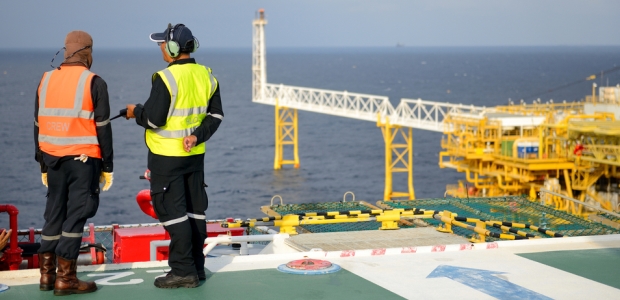
He spoke at last week's Offshore Technology Conference in Houston, where BSEE launched SafeOCS, an Outer Continental Shelf near-miss reporting system.
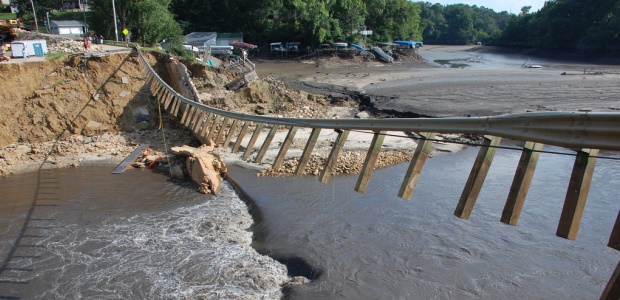
Since 1998, the number of high hazard-potential dams has increased from 9,281 to more than 14,700, according to the 2013 update of the National Inventory of Dams.
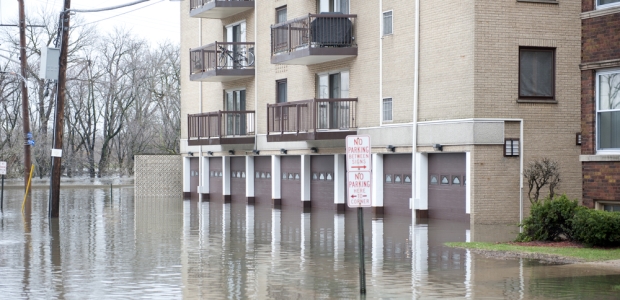
"Adequate and advance preparation is one of the most significant ways Texans can help mitigate the unpredictable and dangerous nature of hurricanes," said DPS Director Steven McCraw.
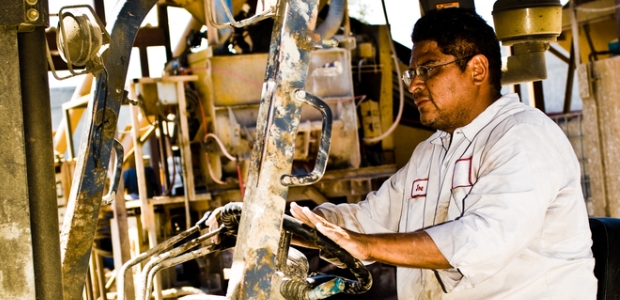
It examines why Latino immigrants under age 25 are at increased risk for injury and death when working for small firms in the construction industry.

Representatives of Turner Construction, OSHA, and Deputy Labor Secretary Christopher Lu will speak at the site May 6 about the importance of preventing falls.
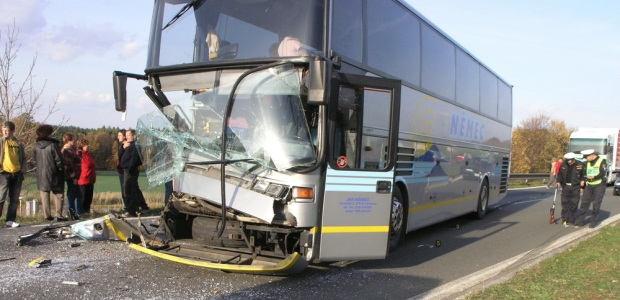
The agency cited the video from two recent crashes involving buses and tractor-trailers, which did not provide needed information about those crashes.

One is a proposed standard on competencies of responders to derailments of high-hazard flammable trains carrying crude oil, ethanol, and other Class 3 products.

It is similar in content and organization to the general industry confined spaces standard, with some provisions for construction-specific hazards -- including requirements to ensure that multiple employers share vital safety information and continuously monitor hazards.
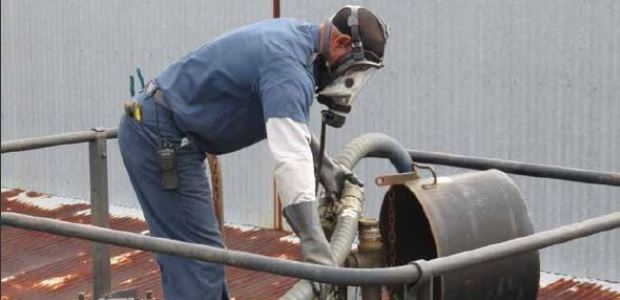
How the flexible polyurethane foam manufacturing industry manages the handling of toluene diisocyanate.

This year's conference will be year four for the popular Ignite sessions, which are five-minute talks on pretty much any topic.

The plan should be considered a living document, reviewed and updated on a regular basis as the emergency team sees fit.
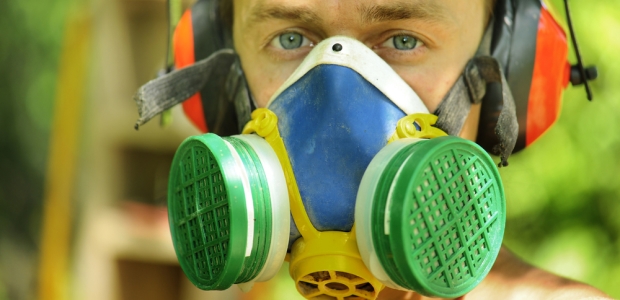
CNP systems have demonstrated the ability to accurately and consistently measure known levels of respirator leakage.

Eyewash stations and showers must be easy for an injured person to operate and must work reliably whenever they are needed—so the equipment must be tested weekly.
Reviews uncover revisions that will need to be made, procedures that will need to be updated, and training that may need to be changed.