Top Features


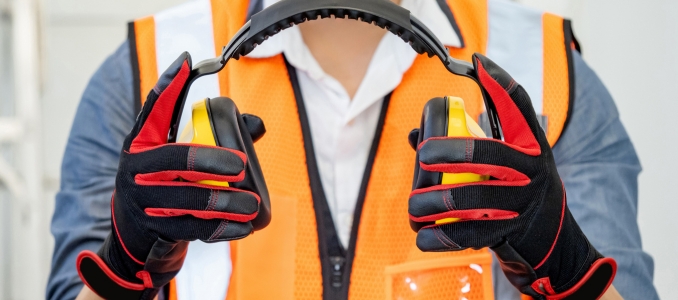
 Downloaded    File #:  648915560 Male worker with reflective orange vest and protective hand gloves pulling yellow safety ear muffs or ear protectors preparing to wear on his head

Workplace Noise Can Affect More Than Your Hearing

Long-term exposure to hazardous noise can affect worker safety, overall health and quality of life, making consistent hearing protection essential.

A worker wearing a virtual reality headset and holding controllers standing alongside a colleague with a clipboard at an industrial construction site.

Why Hands-On Training Still Matters in a Digital Age

VR, AR and AI can expand training opportunities, but physical practice remains essential when workers must handle equipment, coordinate with teams and perform correctly in high-risk situations.

Engineer worker tired fatigue exhausted man working outdoor in hot weather danger from heat stroke

The Heat Stress Standard and the Employer's Decision Dilemma

With OSHA's proposed heat rule unfinished but enforcement expanding, the metric an employer chooses to trigger protective action — Heat Index or wet bulb globe temperature — may matter more than the regulation itself.



An electrician using a digital multimeter to test wiring and components inside an electrical control panel.

Navigating Electrical Safety’s Gray Areas

Electrical safety standards provide a framework, but real-world work doesn't always offer clear-cut choices. Five common gray areas show why understanding the hazard, the task and the worker’s qualifications matter when the right decision is not immediately obvious.

Team of male and female industrial engineers in safety gear using a laptop to program and control a CNC machine on a modern manufacturing factory floor

The Keys to a Successful Smart PPE Rollout

A rushed rollout produces resistance. A focused pilot and transparency on goals produce a program workers trust.
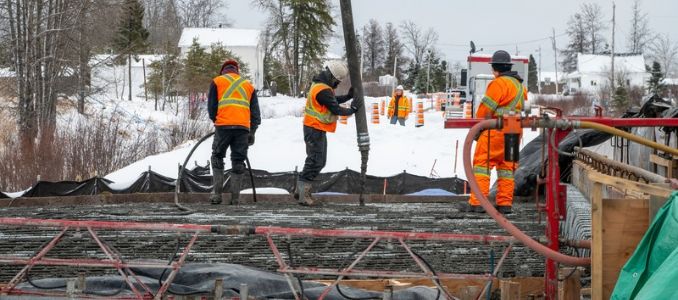
Workers in high-vis vests.

What Employers Can Expect from This Winter’s El Niño

NOAA forecasts a very strong El Niño this winter, giving safety professionals regional guidance to prepare for likely worker hazards.

An auto-darkening welding helmet with a digital screen alongside heavy-duty leather welding gloves resting on a yellow cloth surface.

Building Greater Confidence in Arc Rated PPE

Changes in the 2027 edition of NFPA 70E strengthen conformity-assessment requirements for arc-rated protective clothing, giving safety managers new reasons to understand the testing, documentation and quality systems behind the PPE their workers rely on.

Close-up view of workers wearing high-visibility vests pointing to and reviewing a printed safety data sheet on a clipboard.

Beyond the SDS: Building a Stronger Chemical Management Program

As HazCom 2024 implementation continues, employers should look beyond document management to ensure chemical inventories, workplace labels, ingredient information and employee training work together to protect workers.
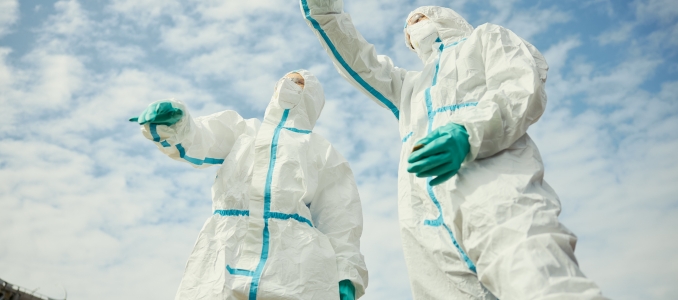
Two Asian young adult scientists wearing hazmat suits gesturing upward outdoors

From Testing to Protection: Applying Penetration and Permeation Data in the Real-World

How testing methods and real-world conditions influence protective apparel performance.
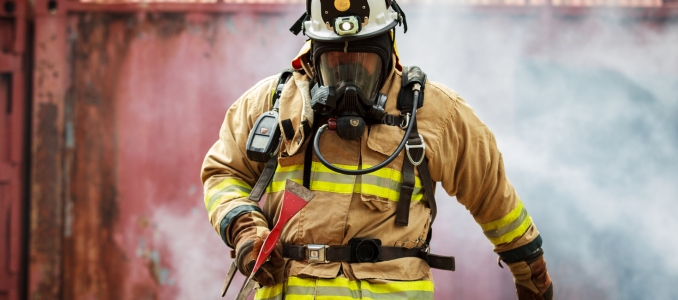
Firefighter wearing breathing mask standing in smoke during emergency operation

Proposed OSHA Changes Put Respiratory Protection Programs in Focus

Potential changes to medical evaluation requirements could reduce administrative burdens, but effective respirator selection, exposure assessment, training and other core protections remain essential.

A large black binder with document tabs resting on an office desk, with a worker in a high-visibility vest walking through a warehouse setting in the background (Photo credit: © 2026 SDS Manager. All rights reserved.).

Beyond the SDS Binder: Closing the Gaps in Workplace Chemical Hazard Communication

A hazard communication program takes more than just safety data sheets and labels. Here are the gaps that cause citations and how to close them.

Construction in a K-12 School Zone

Managing Live Traffic Risks on Active Construction Sites

From schools and hospitals to commercial buildings, construction teams must coordinate vehicle and pedestrian traffic to protect workers and the public while facilities remain operational.

A sanitation worker sweeping a city sidewalk at night.

The Future of Lone Worker Safety: How Employers Can Adapt to New Risks and Requirements

As state laws and workplace risks evolve, more employers are reexamining how they protect employees who work alone.
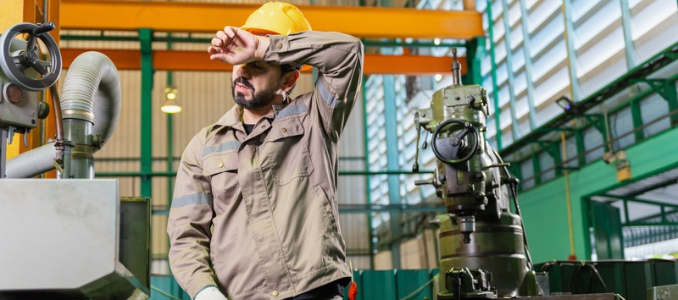
An exhausted factory worker wearing a yellow hard hat wiping sweat from his forehead near industrial machinery.

The Hidden Toll of Heat on the Factory Floor

Hot workplaces can wear workers down, but a few simple steps can help managers spot and reduce the problem.
VPPPA

VPP’s Next Chapter: Safety Culture, Workers and 2027

VPPPA Executive Director Chris Williams reflects on the 2026 Safety+ Symposium and discusses the association’s priorities for VPP and workplace safety in 2027.
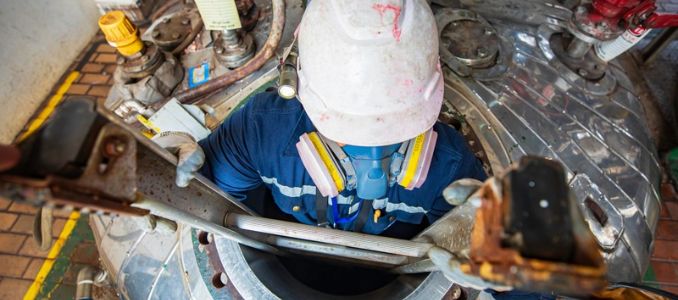
Worker wearing a hard hat, respirator and gloves climbs a ladder through an opening in an industrial tank.

A Confined Space Rescue Plan Is Not Rescue Readiness

Five questions help employers assess confined-space rescue methods, equipment, response capability and crew readiness before entry.

An inspector wearing a safety vest and work gloves filling out a checklist on a clipboard in an industrial facility.

Beyond the Box Check: How to Build Safety Checklists Workers Can Actually Use

Effective safety checklists focus on observable hazards, clear responsibilities and actions workers can take when something goes wrong.

Featured

Artificial Intelligence

Webinars