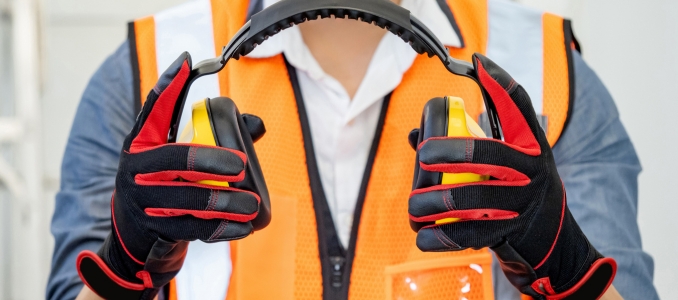
Long-term exposure to hazardous noise can affect worker safety, overall health and quality of life, making consistent hearing protection essential.

VR, AR and AI can expand training opportunities, but physical practice remains essential when workers must handle equipment, coordinate with teams and perform correctly in high-risk situations.

With OSHA's proposed heat rule unfinished but enforcement expanding, the metric an employer chooses to trigger protective action — Heat Index or wet bulb globe temperature — may matter more than the regulation itself.
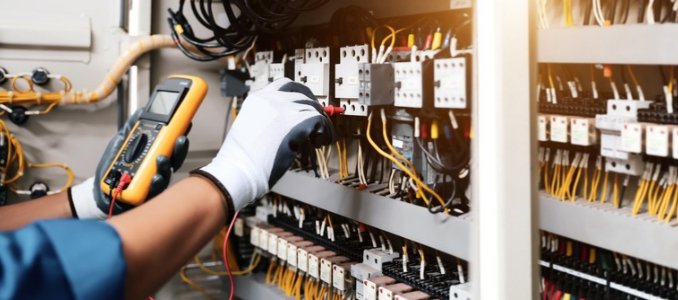
Electrical safety standards provide a framework, but real-world work doesn't always offer clear-cut choices. Five common gray areas show why understanding the hazard, the task and the worker’s qualifications matter when the right decision is not immediately obvious.

A rushed rollout produces resistance. A focused pilot and transparency on goals produce a program workers trust.
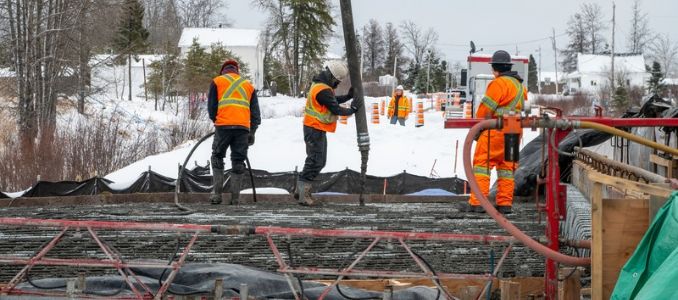
NOAA forecasts a very strong El Niño this winter, giving safety professionals regional guidance to prepare for likely worker hazards.
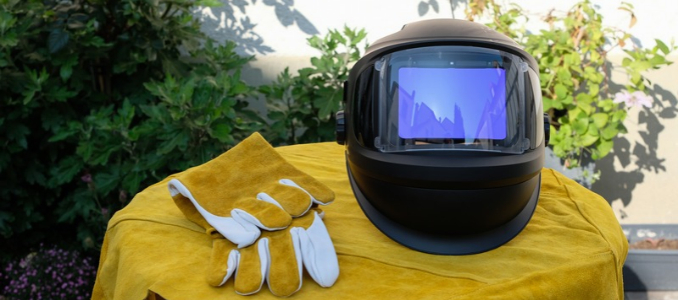
Changes in the 2027 edition of NFPA 70E strengthen conformity-assessment requirements for arc-rated protective clothing, giving safety managers new reasons to understand the testing, documentation and quality systems behind the PPE their workers rely on.

As HazCom 2024 implementation continues, employers should look beyond document management to ensure chemical inventories, workplace labels, ingredient information and employee training work together to protect workers.
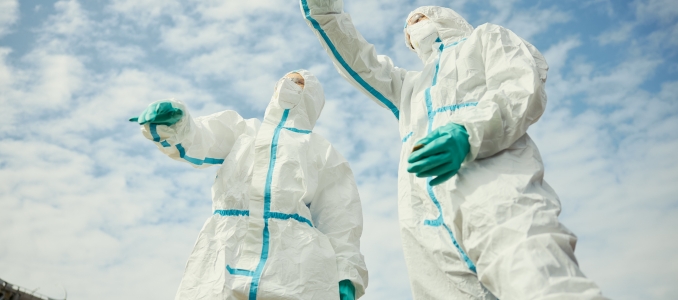
How testing methods and real-world conditions influence protective apparel performance.
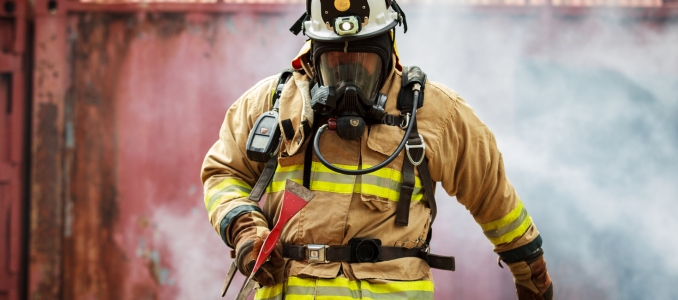
Potential changes to medical evaluation requirements could reduce administrative burdens, but effective respirator selection, exposure assessment, training and other core protections remain essential.

A hazard communication program takes more than just safety data sheets and labels. Here are the gaps that cause citations and how to close them.

From schools and hospitals to commercial buildings, construction teams must coordinate vehicle and pedestrian traffic to protect workers and the public while facilities remain operational.

As state laws and workplace risks evolve, more employers are reexamining how they protect employees who work alone.
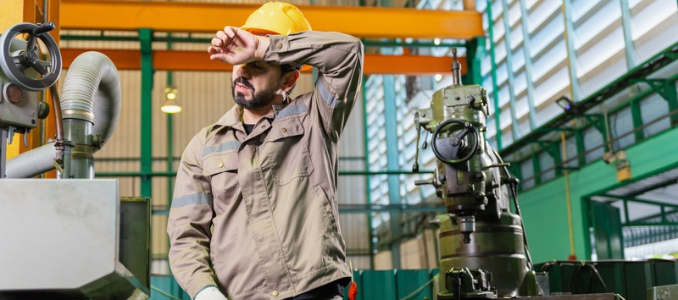
Hot workplaces can wear workers down, but a few simple steps can help managers spot and reduce the problem.
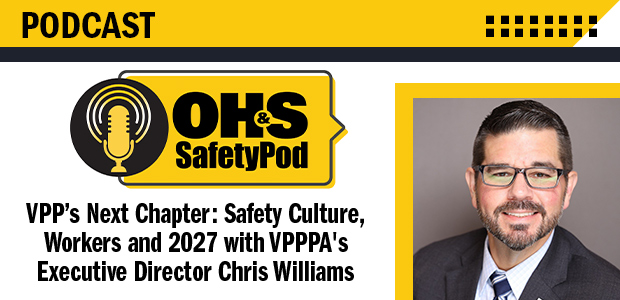
VPPPA Executive Director Chris Williams reflects on the 2026 Safety+ Symposium and discusses the association’s priorities for VPP and workplace safety in 2027.
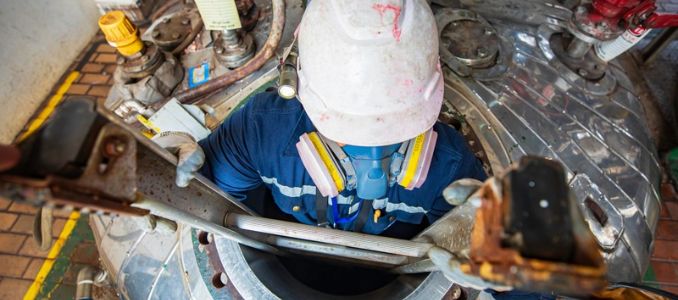
Five questions help employers assess confined-space rescue methods, equipment, response capability and crew readiness before entry.

Effective safety checklists focus on observable hazards, clear responsibilities and actions workers can take when something goes wrong.