
Incident data, worker feedback and control effectiveness can help employers prioritize investments when resources are limited.

Properly fitting personal protective equipment is essential for protecting women in construction while improving comfort, confidence, and worker retention. Expanding research and involving tradeswomen in PPE design can help close longstanding gaps in workplace safety.

Successfully implementing safety monitoring tools requires more than selecting the right technology. Clear communication, thoughtful onboarding, privacy safeguards, and ongoing employee engagement help organizations strengthen safety culture while improving emergency response.

Environmental hazards, housekeeping, and human behavior all contribute to slip, trip, and fall incidents. Organizations that address these interconnected risks together are better positioned to achieve lasting improvements in workplace safety.

From emerging technologies to peer-to-peer learning, attendees are discovering practical ideas they can take home to strengthen workplace safety.
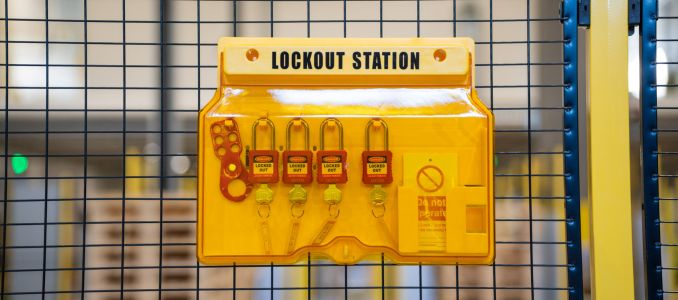
Complacency, production pressure, and routine work can undermine even well-designed lockout/tagout programs. Reinforcing communication, leadership, and safe work habits helps ensure hazardous energy control procedures are followed consistently.

Modern gas monitoring systems are evolving from standalone detection devices into connected safety platforms that provide real-time visibility, improve emergency response, and strengthen situational awareness across industrial operations.
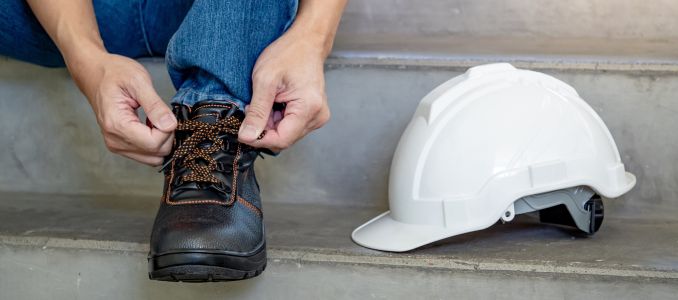
Choosing protective footwear based on workplace hazards, fit, and performance features—not just toe protection—can improve comfort, reduce injury risks, and help workers stay safe throughout every shift.
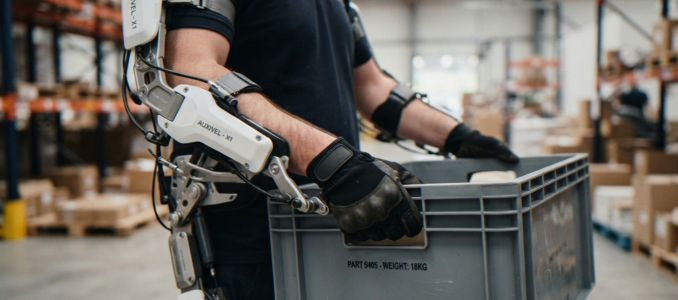
Backed by long-term field data and growing industry adoption, wearable exoskeletons are emerging as a practical tool for reducing musculoskeletal injuries, improving worker retention, and complementing traditional ergonomics programs in warehouses and distribution centers.

Recordable injury rates tell only part of the safety story. Organizations that identify precursor conditions, verify critical controls, and focus on high-energy hazards are better positioned to prevent serious injuries and fatalities.

Buildings are designed with multiple layers of protection to safeguard occupants during emergencies, but those safeguards are only effective when facility managers and employees preserve them through proper maintenance, training, and day-to-day operations.
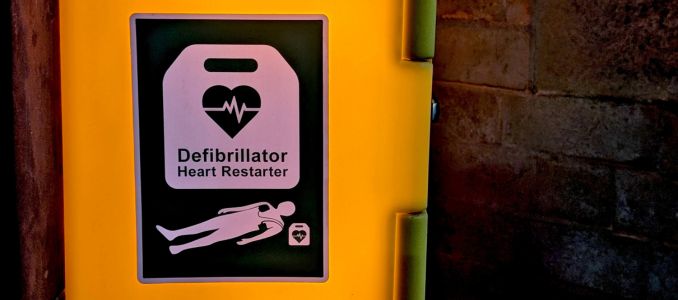
Simply installing an automated external defibrillator isn't enough. A truly effective AED program depends on planning, maintenance, training and readiness.
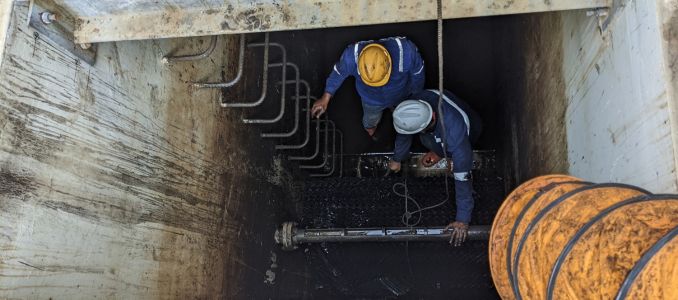
More than 30 years after OSHA's confined space standard was introduced, workers continue to die in enclosed spaces. Understanding atmospheric monitoring, rescue planning, and common misconceptions can help close persistent safety gaps.

Effective combustible dust prevention begins with understanding facility-specific hazards. Dust testing, hazard analyses, engineering controls, housekeeping, and employee training work together to reduce fire and explosion risks while supporting safer operations.

Effective combustible dust safety depends on more than controlling ignition sources. Selecting appropriate portable lighting for classified environments can improve visibility, strengthen inspections, and support safer maintenance and emergency response activities.
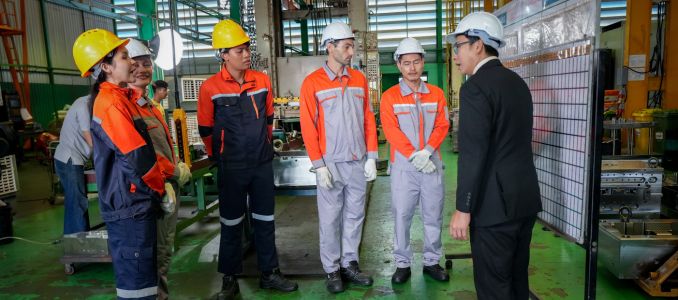
Effective HazCom training goes beyond OSHA compliance. Learn how stronger instruction on labels, Safety Data Sheets and emergency response can help employees recognize chemical hazards and work more safely.

Connected head protection can give safety managers new information about impacts, falls, heat and other workplace conditions, potentially changing both incident response and the way safety decisions are made.