The program is the first of its kind among North American professional sports.
ARC has received a $1.066 million AmeriCorps grant from the Corporation for National and Community Service to support AmeriCorps members to help the Red Cross teach children and adults in 15 states about home fire safety and being prepared for emergencies.
Scapa North America has been cited for 17 violations.
Seattle Bulk Shipping Inc. is currently appealing violations for which it was fined $424,850 and is considered a severe violator by L&I, meaning it is subject to follow-up inspections to determine whether the conditions still exist.
OneBlood, which collects blood donations across most of Florida, announced that, effective July 29, it will begin testing 100 percent of its collections for the Zika virus using an investigational donor screening test.
Grantees will have to develop plants for assets, including vehicles, facilities, equipment, and infrastructure. In 2013, FTA says, the transit industry deferred maintenance needs to a tune of $86 billion, representing more than 12 percent of total assets nationwide.
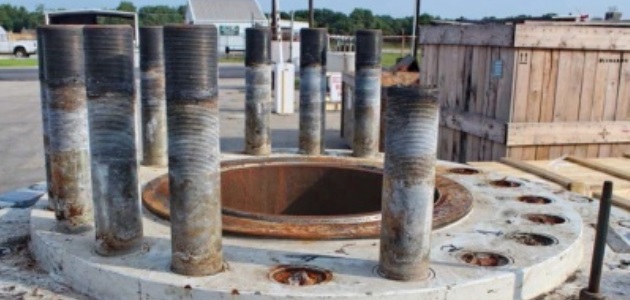
The agency's director says they present a major risk for offshore workers and the environment. Many provisions of BSEE's Well Control Rule are set to take effect July 28.
U.S. Defense Secretary Ash Carter christened the facility in Boston this week after opening the first one last year in Silicon Valley, Calif.
The chicken producer was also cited for fall and machine guarding hazards.
The alliance will better protect workers for an initial three-year term.