
Simply installing an automated external defibrillator isn't enough. A truly effective AED program depends on planning, maintenance, training and readiness.
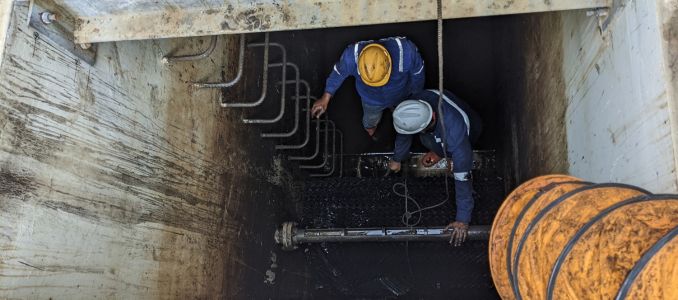
More than 30 years after OSHA's confined space standard was introduced, workers continue to die in enclosed spaces. Understanding atmospheric monitoring, rescue planning, and common misconceptions can help close persistent safety gaps.

Effective combustible dust prevention begins with understanding facility-specific hazards. Dust testing, hazard analyses, engineering controls, housekeeping, and employee training work together to reduce fire and explosion risks while supporting safer operations.

Effective combustible dust safety depends on more than controlling ignition sources. Selecting appropriate portable lighting for classified environments can improve visibility, strengthen inspections, and support safer maintenance and emergency response activities.
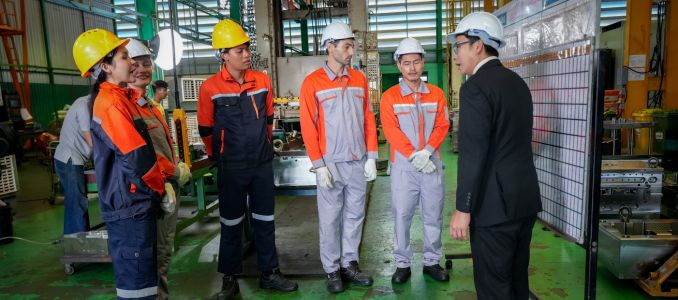
Effective HazCom training goes beyond OSHA compliance. Learn how stronger instruction on labels, Safety Data Sheets and emergency response can help employees recognize chemical hazards and work more safely.

The 2026 revision expands optional testing for retention, chin straps and multidirectional impacts without replacing current classifications.

Familiar safety strategies can lose their effectiveness over time. By recognizing outdated thinking and embracing new approaches, leaders can overcome organizational inertia and build stronger, more sustainable safety performance.

Connected head protection can give safety managers new information about impacts, falls, heat and other workplace conditions, potentially changing both incident response and the way safety decisions are made.

Poage has held the Certified Safety Management Practitioner credential since 2017.

High-visibility apparel is moving beyond the traditional safety vest as manufacturers respond to heat, workforce diversity, multiple hazards and emerging technology.