
State safety officials are urging employers to take precautions as above-average temperatures move across California, reminding workplaces to provide water, shade, rest breaks and training to prevent heat illness.

The federal program begins its 21st year of providing free, confidential black lung testing across six states to support early disease detection.
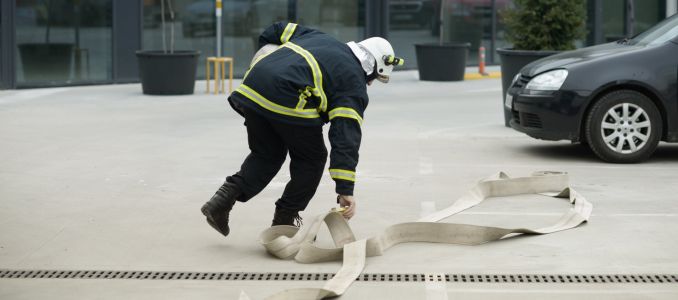
Milliken secures independent verification from Forever Analytical as the fire service industry reaches an inflection point on PFAS and transparency.

Federal health officials expand a collaborative network aimed at integrating traditional workplace safety with broader employee well-being.

The Department of Labor and Economic Opportunity in Michigan earns recognition for integrating mental health into workplace safety standards.
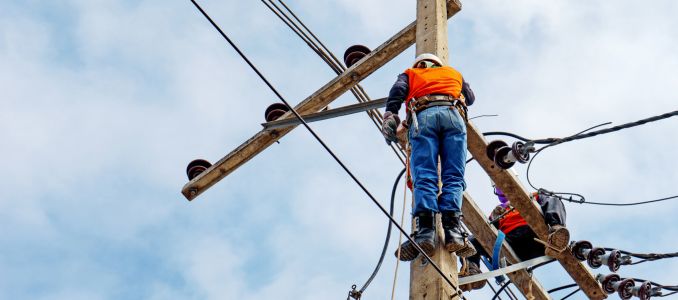
As data center construction booms, discover how connected safety tech and advanced training are mitigating rising electrical risks for the 2026 workforce.

The Oregon Occupational Safety and Health Division issued more than $113K in penalties to a residential contractor for repeat safety failures.

Don't wait for a fall to take action. Learn why stumbling on uneven ground or dodging overgrown brush are critical warnings for workplace safety.

Virginia labor officials are recognizing Women in Construction Week by highlighting the growing role of women in the state’s construction workforce and promoting workplace safety initiatives.

NIOSH is offering free screenings to help coal miners identify black lung disease early and track respiratory health impacts from coal mine dust exposure.
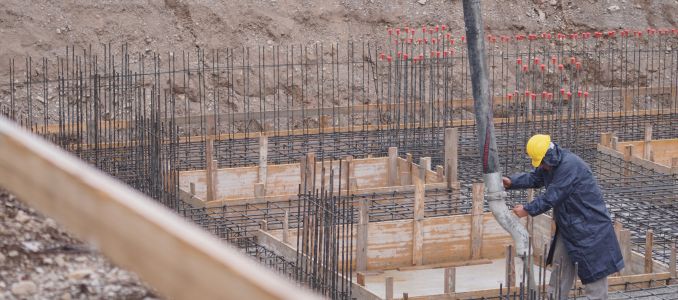
Industrial hygiene controls often fail in lone worker environments where supervision and monitoring are limited.

A new peer-led support program aims to reduce suicide risk and promote mental wellness among unionized construction workers in New York City.
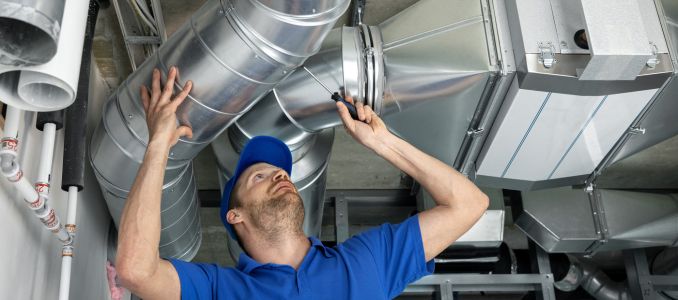
An OSHA investigation into a Bal Harbor Shops worksite fatality resulted in two serious violations and $28,135 in proposed penalties for Hyvac Inc.
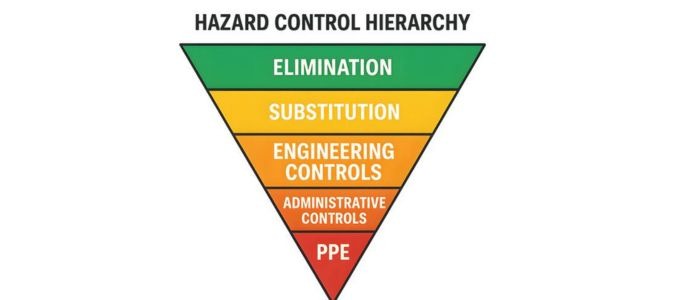
Too often organizations start with PPE instead of eliminating hazards at the source. Applying the Hierarchy of Controls in the correct order is key to sustainable risk reduction and safer workplaces.
A new Safety Champions Program aims to help employers strengthen workplace safety through a voluntary, structured framework.
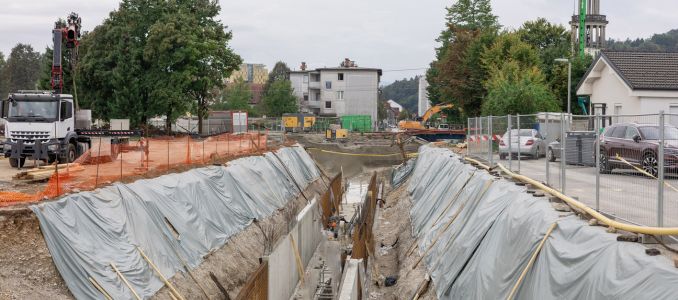
State safety officials launch an outreach campaign to prevent excavation fatalities and provide technical training for Michigan employers.
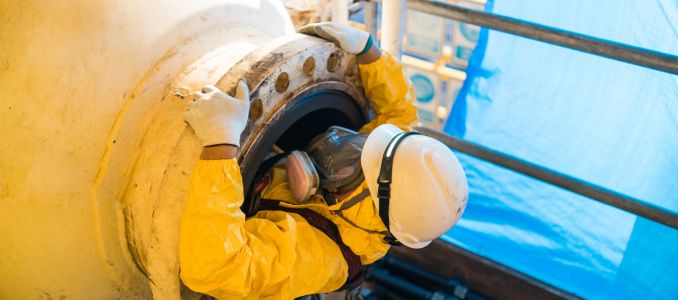
Federal investigators issued 12 serious violations to a petroleum tank services contractor after a worker died from toxic chemical exposure inside a fuel storage tank at a Lake Worth jobsite.