
The New Jersey-based firm celebrates six decades of expansion, infrastructure resiliency and community-focused technical solutions.
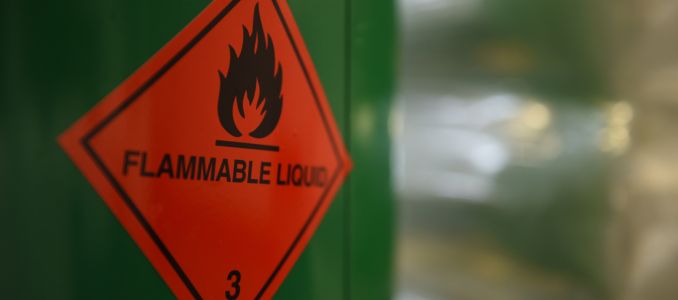
OSHA proposes $275,694 in penalties for SV Labs following a nitrocellulose blast and fire at its Prescott facility.

New agency-wide effort focuses on collaboration and compliance assistance to help employers meet federal workplace requirements.
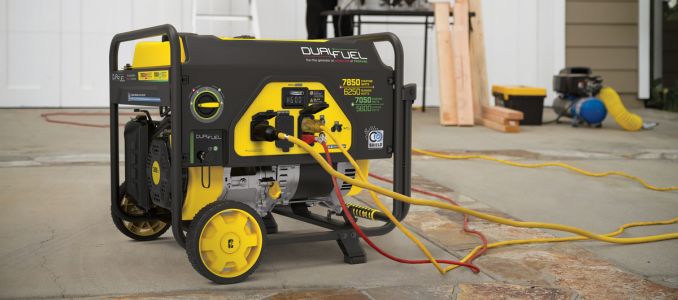
The PGMA highlights the importance of CO-shutoff technology and proper outdoor operation to protect workers from carbon monoxide risks.

Industry leaders highlight SIF prevention, standardized systems, and data-driven strategies to improve jobsite safety and project outcomes.

A worker’s broken arm led to an investigation revealing repeat hazards and more than $326,000 in proposed federal penalties.

New FSRI research offers data on how glazing and frame materials withstand fire spread, aiding structural hardening and safety specs.
A new Safety Champions Program aims to help employers strengthen workplace safety through a voluntary, structured framework.
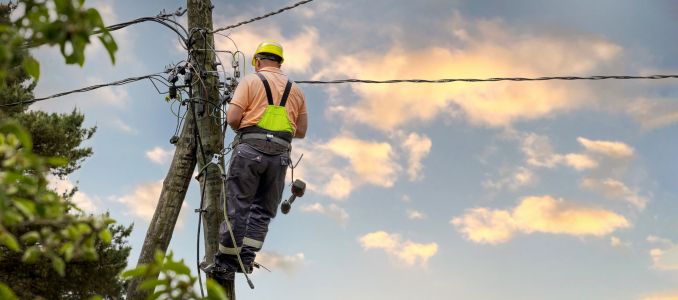
OSHA proposed $49,650 in penalties against Primoris T&D Services following a utility pole accident that killed one worker and injured two others.

A new OSHA toolbox talk emphasizes that most workplace electrical fatalities occur outside traditional electrical trades and outlines practical steps employers can take to reduce risk.
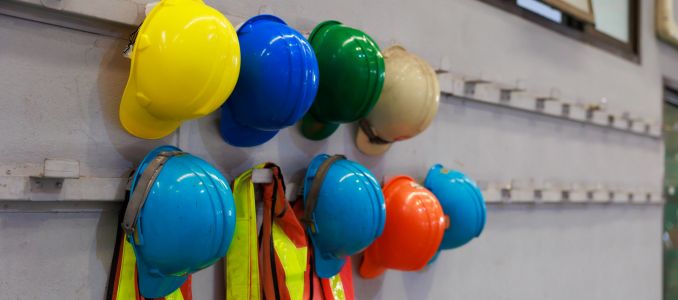
A coalition of nine safety groups petitioned OSHA to align federal regulations with modern innovations in eye, head and first aid protection.

State safety officials are urging employers to take precautions as above-average temperatures move across California, reminding workplaces to provide water, shade, rest breaks and training to prevent heat illness.

The federal program begins its 21st year of providing free, confidential black lung testing across six states to support early disease detection.

Federal health officials expand a collaborative network aimed at integrating traditional workplace safety with broader employee well-being.

The Department of Labor and Economic Opportunity in Michigan earns recognition for integrating mental health into workplace safety standards.

The Oregon Occupational Safety and Health Division issued more than $113K in penalties to a residential contractor for repeat safety failures.

Virginia labor officials are recognizing Women in Construction Week by highlighting the growing role of women in the state’s construction workforce and promoting workplace safety initiatives.