
Lockout/Tagout
LOTO failures are often blamed on individual mistakes, but modern industrial systems introduce complexity and production pressure that safety rules alone can’t solve. A stronger culture and shared responsibility may be the real key to preventing predictable harm.

Summer Hazards
Traditional heat safety programs often rely on generalized thresholds and reactive symptom reporting. New tools like PPG wearables, WBGT monitoring systems, and cooling innovations are helping safety teams take a more proactive approach.

Ladder Safety
Thousands of ladder-related injuries happen every year, often because the wrong ladder is used. Understanding ladder types, height requirements, duty ratings, and materials can reduce fall risk and improve safety at elevation.

OSHA’s updated guidance highlights the importance of hazard assessments when selecting head protection. Here are five key steps to help employers choose the right helmet type, electrical class, and accessories for their worksite risks.

Outdated assumptions about training, technology, and costs continue to expose construction crews to unnecessary risk. Rethinking these common safety myths can strengthen protection, improve efficiency, and support long-term business performance.
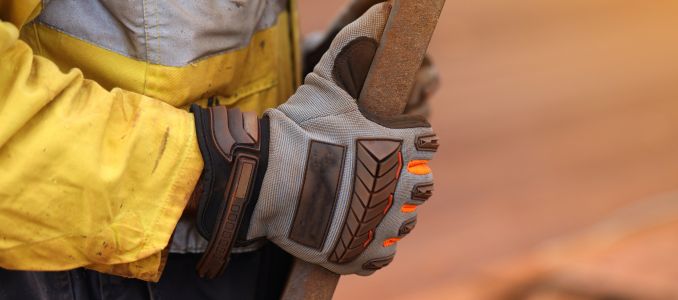
From small errors to human factors like complacency and distraction, hand injuries persist across industries. Addressing habits, awareness, and leadership may be the key to protecting workers both on and off the job.

From heat stress and dehydration to cold exposure and storm-related hazards, shifting weather patterns are increasing construction safety risks. Here’s how supervisors can plan and protect crews every season.

Why skylights and roof openings continue to cause serious injuries during routine work.

Electrical safety training shouldn’t be a checkbox exercise. These five strategies can help safety leaders improve engagement, reinforce safe behaviors, and strengthen compliance across different job roles.
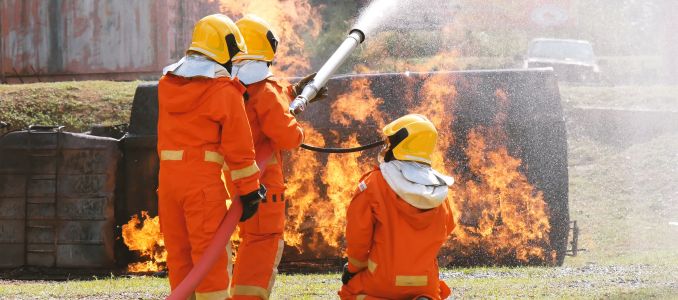
New advances in flame-resistant apparel are balancing protection, mobility, and heat stress prevention.
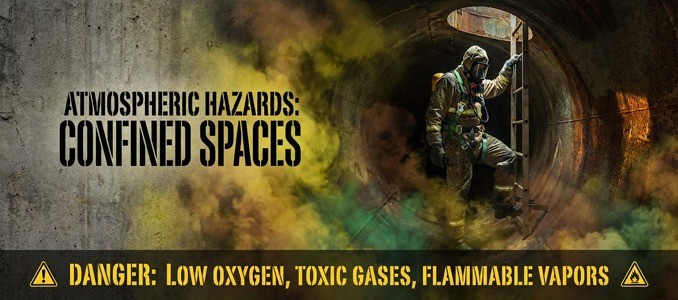
Confined spaces are dynamic environments where gas levels, airflow, and temperature can shift in seconds. AI-based atmospheric intelligence is helping safety teams move beyond threshold alarms to predictive, real-time risk interpretation.

Many workplaces track CPR/AED training completion, but real survival depends on response speed, confidence, and culture. Here’s how safety leaders can close the readiness gap before a cardiac arrest happens.

As construction projects grow more complex, safety is using AI-backed collision avoidance and connected data to reduce blind-spot incidents and push safety culture beyond compliance.

As chemical use expands across industries, safety leaders can reduce injury severity by improving emergency fixture placement, water delivery performance, and equipment compliance and readiness.

How modern safety platforms reinforce learning through engagement and recognition.

Ladder Safety
OSHA’s revised fixed ladder rule requires fall protection systems for ladders over 24 feet. Here’s what safety leaders need to know.

The Cal/OSHA issued $212,850 in penalties to All FAB Precision Sheetmetal Inc. following a repeat injury.