Campus safety cannot wait as higher education shifts from reactive emergency response to continuous, intelligence-driven preparedness.
The Mine Safety and Health Administration and the National Lime Association have extended their collaborative alliance to reduce workplace injuries.
A shared organizational mindset and proactive leadership protect field workers more effectively than basic compliance checklists.
Investigators gain full access to the site to determine the cause of the fatal incident and connect affected families with state benefits.
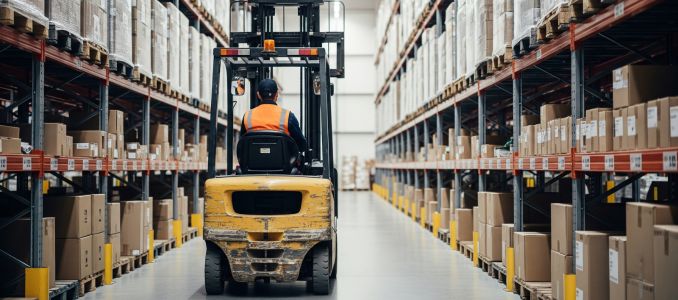
The Industrial Truck Association will host its annual event focused on reducing workplace accidents and improving operator education.
The American Industrial Hygiene Association has begun looking for a new chief executive officer following an announcement that its current leader will step down this year.
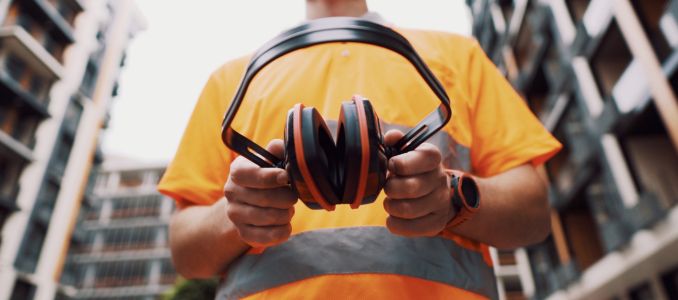
Beyond permanent hearing loss, constant background industrial sounds cause dangerous mental fatigue, alarm desensitization and critical communication failures.
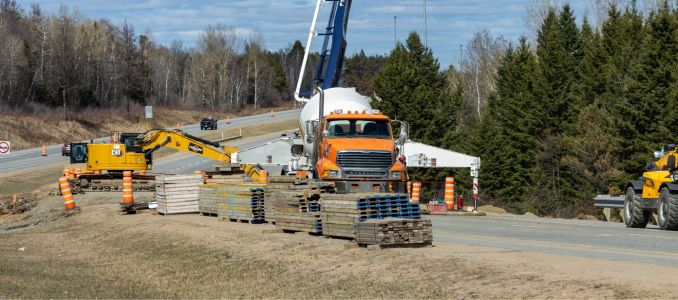
Active work zones remain highly dangerous as safety teams deploy drone imagery, digital navigation alerts and wearable PPE strobes to protect crews.

A safety organization funds projects using artificial intelligence, wearable sensors and robotics to reduce common worker injuries.
Advocates voice deep concerns over sudden firings and layoffs at the federal agency reviewing mine safety disputes.
New research shows deferred recovery and worker burnout act as operational exposure risks that trigger preventable errors and near-misses.
A national safety organization warns that holiday travelers face an elevated risk of fatal motor vehicle crashes during the upcoming holiday weekend.
Beyond physical hazards, occupational health and safety must now address "cognitive surrender"—the hidden erosion of human judgment in the age of AI.
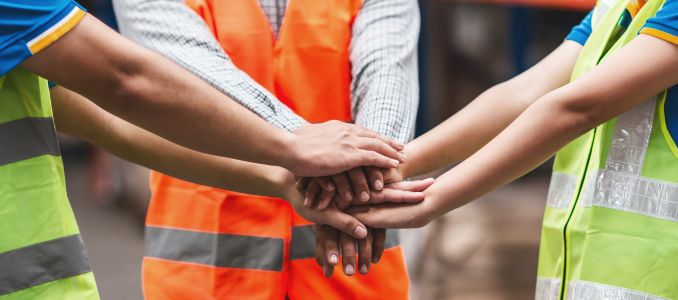
Lorraine Martin urges Congress to prioritize SIF prevention, mental health and roadway technology to reduce workplace fatalities.
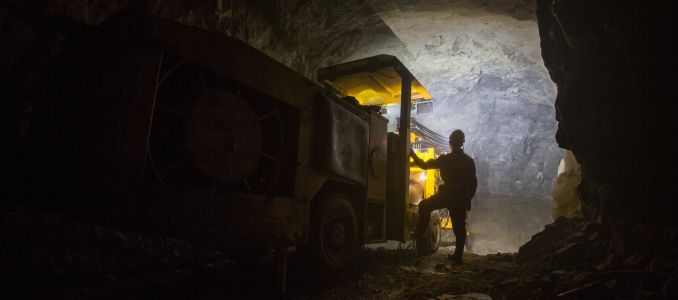
A collision between two scoops in an underground mine resulted in a shifting longwall shield that fatally crushed a worker.
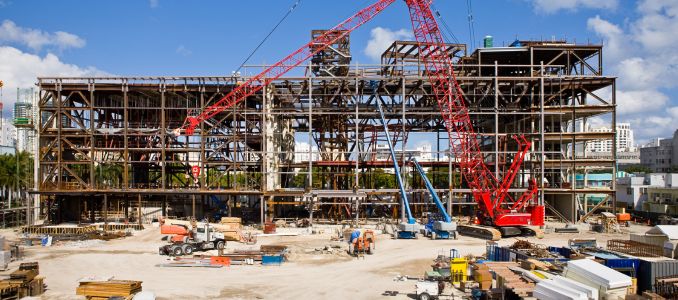
Accelerated timelines and complex electrical commissioning phases create a narrow margin for error for construction crews.
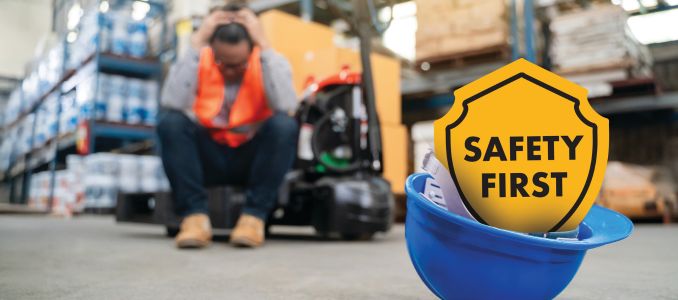
Southern California Edison and Georgia-Pacific were recognized for pioneering new technology and strategies to eliminate workplace hazards.

The American Society of Safety Professionals honors the Boretti Inc. CEO for 40 years of dedicated service and professional excellence.
The Robert W. Campbell Award recognizes the safety science leader for integrating environmental and health standards into its business operations.

Oregon high schoolers will receive awards during a May 5 livestream for creating ads that promote heat-illness prevention.