
You should strive to gather permeation data for the CPC you plan to use against your actual workplace chemicals.

The protective measures and equipment that welders require are spelled out in OSHA's 29 CFR 1910.252, the welding, cutting, and brazing standard.

Training workers is vital in making sure the PPE is doing its job in protecting the users.

Complacency can be dangerous when it comes to protecting the face and hands or properly protecting yourself from devastating electrical shock hazards.

Recent fabric and style advances are challenging conventional wisdom.
Despite long-standing recommendations for the safe handling of antineoplastic and other hazardous drugs, many nurses, including pregnant nurses, reported not wearing protective gloves and gowns, the minimum protective equipment recommended when administering these drugs.

Lightweight garments may seem counterintuitive for protecting against the cold, but layering up lightweight garments is one of the best ways to combat the cold and remain comfortable.

From cold weather insulation guidance to labeling, these are the changes you need to know to be well informed when specifying an FR PPE program designed for flash fire hazards.
Commercial fishing is one of British Columbia’s most dangerous occupations, and drowning is the leading cause of death for the province’s fishermen.
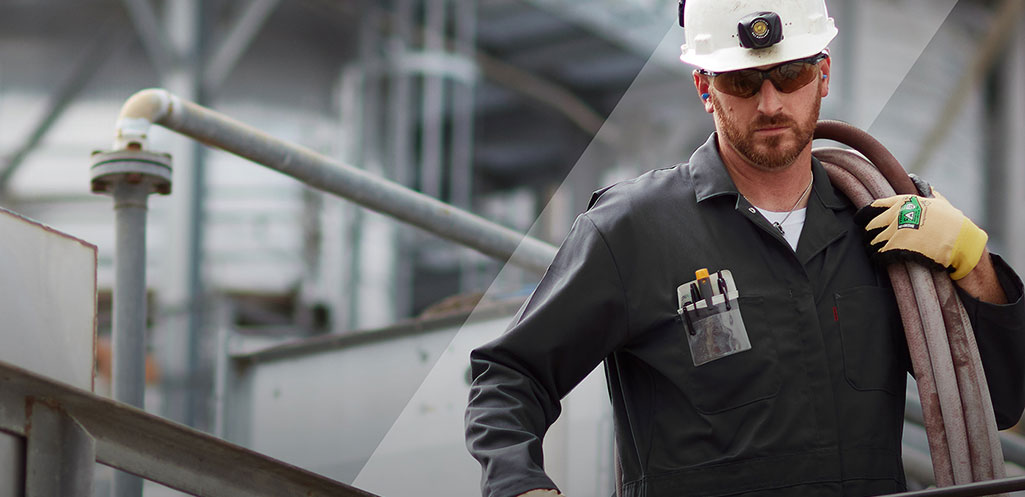
SPONSORED
For over 50 years, garments made with Nomex® fibers have been advancing the performance of protective FR PPE.
This year's National Safety Council Congress & Expo went by in a flash! We've rounded up some of the highlights from the show floor—you can catch up on everything you may have missed on our Live From NSC Social Zone at OHSonline.com/live.

This expansion of the database will allow end users to find products confirmed by the manufacturers as compliant with CDC’s Fentanyl PPE Guidance.
In a perfect world, we would all work in weather-controlled environments where heat wouldn’t be a factor and comfort could be maximized. Many workplaces, however, deal with very high temperatures, and heat stress is a constant risk that requires serious consideration.

More than 14,000 safety professionals are expected to attend this year's NSC Congress & Expo, being held in Houston from Oct. 20 through 26.
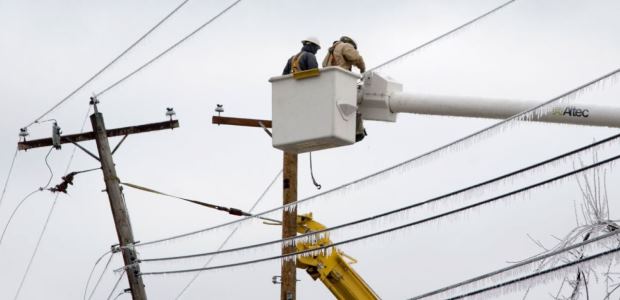
Want to improve safety culture? Try high-performance FR fabrics.
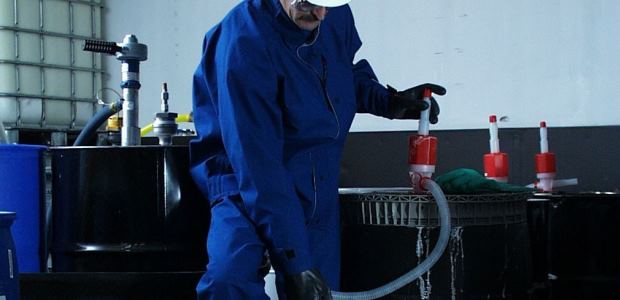
Each end-use situation must be evaluated for its particular risks.

Choosing the right high-visibility clothing for the job per the ANSI standard is a good first step to preventing injuries on a work site. But workers must use the garments and care for them.
Federal, state, city, and medical partners of NIOSH are awaiting its findings about the stockpiled PPE. Researchers are in the second year of a three-year project.
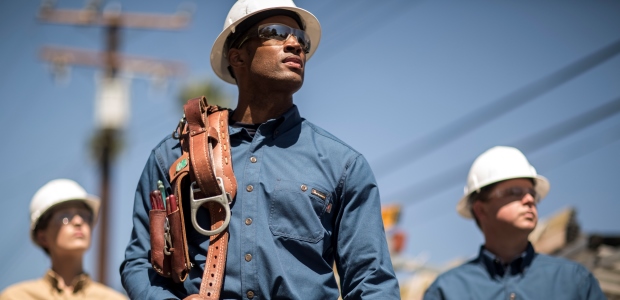
The best way to prevent costly injuries is to promote safe work practices, provide the necessary PPE, and do everything possible to encourage wearer compliance.
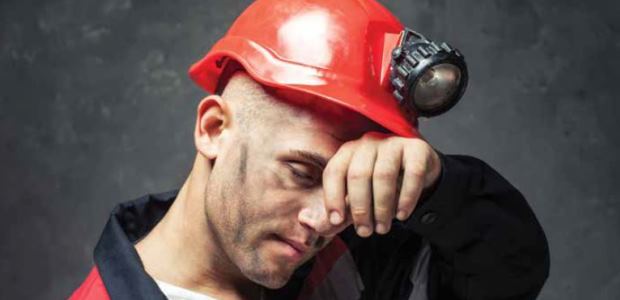
There are a number of ways to guard against heat stress, and those can be divided into preventative measures, protective measures, and proper attire.