"Addressing a problem of this scale calls for bold actions that are driven by scientific knowledge. That is why AIHA is proud to unveil its inaugural Public Policy Agenda," said AIHA President Cynthia A. Ostrowski.
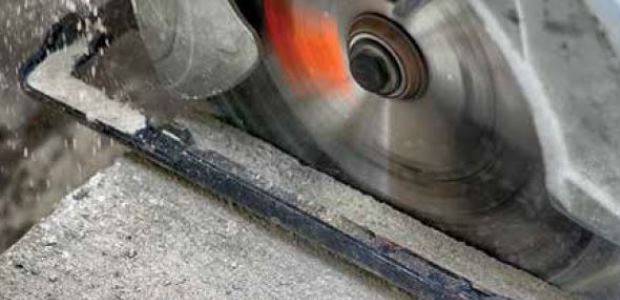
Understanding the OSHA enforcement guidance will help you. It gets to the heart of what OSHA feels are key aspects of how it expects employers to comply.
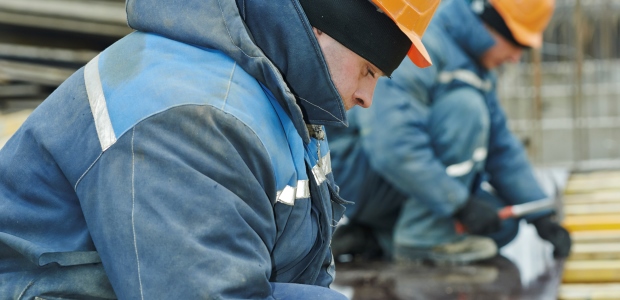
Here's how better back-of-hand protection could be boosting your bottom line.

A company can have different employee types: administrative 9-5 workers, active sales teams, and warehouse workers. It's important these employees aren’t bunched up into one category of winter preparedness.
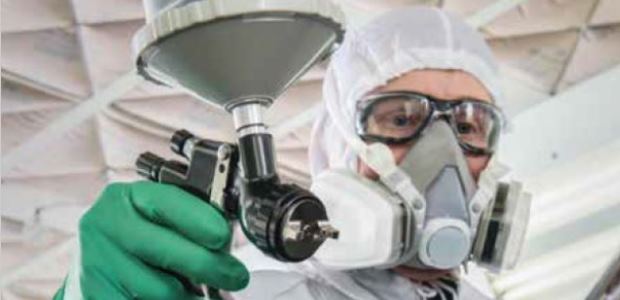
For workers dealing with lower-level chemicals, a happy medium between traditional disposable gloves and heavy-duty chemical gloves is often needed.

Where progress has been made, it is largely attributed to better legislation, safer infrastructure, improved vehicle standards, and enhanced post-crash care.
The inspection report indicates the special inspection was conducted in response to concerns about "apparent failures," including that occupational workers failed to wear dosimetry, management failed to investigate abnormal dosimetry results, and that management failed to assess outside employment in determining the total occupational exposure of applicable staff.
In the report, the National Academies study committee said addressing the respiratory needs of health care workers across their wide range of settings and jobs is an ethical imperative, adding that it will require the design of innovative reusable respirators and implementation of robust respiratory protection programs.
"This owner's intentional disregard of the manufacturers' safety instructions and failure to take proper safety measures resulted in serious injuries to an employee," said OSHA Jacksonville Area Office Director Michelle Gonzalez.

Controlling the risks is done by applying the hierarchy of controls: elimination, substitution, engineering controls (such as ventilation systems to remove welding fume), administrative controls, and finally, PPE.

OH&S congratulated winners of the tenth annual contest during the 2018 National Safety Council Congress & Expo in Houston.

Lightweight garments may seem counterintuitive for protecting against the cold, but layering up lightweight garments is one of the best ways to combat the cold and remain comfortable.

From cold weather insulation guidance to labeling, these are the changes you need to know to be well informed when specifying an FR PPE program designed for flash fire hazards.

Having an eye and face protection program in place will boost the chances employees will use their PPE correctly.
The headquarters of Honeywell's Safety and Productivity Solutions business group also will relocate from Fort Mill, S.C., to Charlotte.
The 4th regional basic training course on Assistance and Protection against Chemical Weapons benefited 35 participants from various agencies involved in chemical emergency response and civil defense from Algeria, Bahrain, Iraq, Jordan, Lebanon, Morocco, Qatar, Saudi Arabia, Sudan, Tunisia, and United Arab Emirates.
OSHA cited the company for a lack of machine guarding on several pieces of equipment, for failing to implement a program to inspect mechanical power presses and correct unsafe conditions, and for failing to develop specific procedures to verify hazardous energy was controlled.
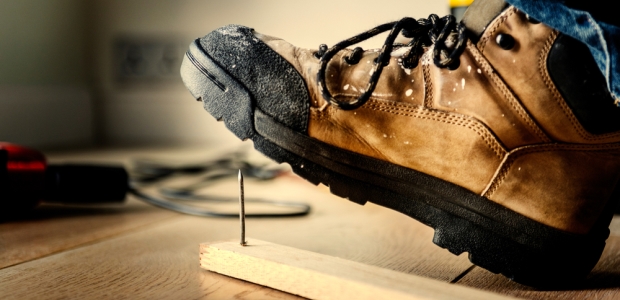
One of the revised standards covers test methods for foot protection (F2412). The others are specifications for performance requirements for both safety toe cap footwear (F2413) and soft-toe (non-safety) protective footwear (F2892).

The partners will work to ensure safety through several key elements, including 100 percent fall protection over 6 feet; 100 percent personal protective equipment, including hard hats, eye protection, and high-visibility outer clothing; and ensuring all crane operators are certified.

The standard, currently designated ISEA 138, would establish minimum requirements for performance, classification, and labeling in hand protection products designed to protect the knuckles and fingers from impact forces while performing tasks at work.