
Michigan’s new LEADS pilot aims to help employers reduce stress, burnout and communication-related risks by integrating mental health into core occupational health and safety practices.

Employers must adapt hearing conservation programs to protect workers who wear hearing aids or have diminished hearing.
Cuts and shutdowns can’t halt the progress of worker protection.

Safety experts warn that eliminating the Chemical Safety Board would remove a critical investigative partner to OSHA, leaving gaps in root cause analysis and hazard prevention.

The Korey Stringer Institute has launched a cutting-edge laboratory designed to simulate extreme environmental conditions and study how heat impacts workers across high-risk industries, supporting evidence-based prevention and safety protocols.

From flying debris to chemical splashes, radiation, and glare—industrial workers face daily risks to their eyes. Understanding hidden hazards and enforcing proper protective measures can prevent injuries and preserve sight.

As temperatures climb into the 90s across Southern California, Cal/OSHA is reminding employers to protect outdoor and indoor workers from heat illness through water, shade, rest breaks, and training.

As the global AI boom accelerates, data centers are multiplying — and so are the overlooked risks to the people who keep them running, from heat and chemicals to fatigue and stress.

A new initiative connects inspectors, safety consultants, and compliance organizations through a shared digital platform designed to streamline reporting, improve accuracy, and strengthen workplace safety oversight.

Cold stress goes deeper than frostbite. For lone workers, prolonged exposure can impair physical and cognitive performance—creating hidden safety risks when no one is there to help.

Observed each year on October 15, Global Handwashing Day reminds safety professionals and employees that proper hand hygiene remains one of the simplest, most effective defenses against illness in the workplace.

Chronic dehydration is a widespread but often overlooked safety hazard in high-heat workplaces, affecting cognitive performance, increasing accident risk, and threatening both worker health and productivity.
Content Editor Stasia DeMarco talks with Claire Bryant, Senior Program Manager of Workplace Safety Programs at NSC, about a new tool to help employers address opioid emergencies in the workplace.

Even trace allergen exposure can trigger life-threatening reactions. Food processors must pair strict cross-contact prevention with first-aid readiness to safeguard both workers and consumers.

The free “Healthier Workplaces and Schools” guide offers risk-assessment tools and mitigation strategies designed for non-technical decision makers to combat airborne infectious diseases.
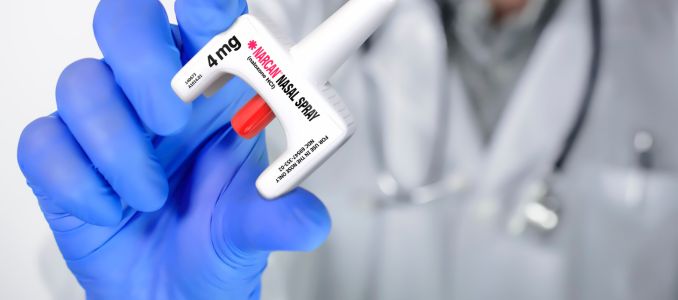
The free online resource offers evidence-based guidance on workplace naloxone readiness as overdoses remain a leading cause of on-the-job fatalities.

The Portsmouth/Paducah Project Office contractor at the Paducah Site earned the National Safety Council’s Million Work Hours Award after surpassing one million hours without a lost-time injury.

Enhanced visibility can prevent accidents by illuminating hazards and making workers easier to spot.

An effective solvent with serious risks
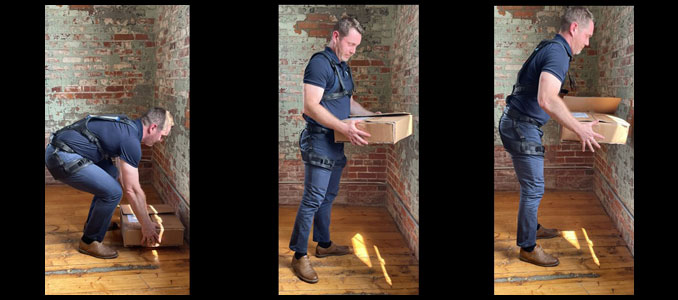
Exoskeletons are emerging as a powerful ergonomics tool, but questions remain about fit, task matching, worker acceptance, and long-term impact. Here’s what safety leaders should weigh before adopting them.