CDC will host an open meeting of the Advisory Committee on Childhood Lead Poisoning Prevention on March 18-19 in Atlanta.
Manufactured in China, the connectors were sold at hardware stores in Texas, Louisiana, Oklahoma, Alabama, Mississippi, Arkansas, Tennessee, and Florida from August 2007 through September 2007 for between $7 and $20.
Nancy Nord, acting chairman of the U.S. Consumer Product Safety Commission, yesterday announced the hiring of Cheryl Falvey as the agency's new career General Counsel effective immediately.
Keeping with the mission of National Sleep Awareness Week®, happening from today through March 9, a new four-state study released by the Centers for Disease Control and Prevention in its Morbidity and Mortality Weekly Report reports that about 10 percent of adults report not getting enough rest or sleep every day in the past month.
Industry and stakeholders have until June 17 to report how they are managing chemicals in the fifth batch identified by the government.
The Centers for Disease Control and Prevention is reminding the public that National Sleep Awareness Week begins tomorrow and runs through March 9, 2008.
The agency's recent testing showed 29 mines had at least one miner exposed above the new, lower limit, which matches OSHA's PEL and will take effect April 29.
The U.S. Consumer Product Safety Commission is urging parents and caregivers to add a safe sleep environment to the daily routine of placing baby to sleep as its staff has become aware of 97 crib related deaths from 2002 through 2004.
A Canadian safety center is exploring similar issues in a national survey.
The U.S. Consumer Product Safety Commission, in cooperation with Polaris Industries Inc., of Medina, Minn., yesterday expanded a voluntary recall of the Polaris All-Terrain Vehicles (ATVs). Consumers are advised to stop using recalled products immediately.
At least 82 youth have died as a result of playing what has been called "the choking game," according to a study released by CDC yesterday's Morbidity and Mortality Weekly Report. The choking game involves intentionally trying to choke oneself or another in an effort to obtain a brief euphoric state or "high." Death or serious injury can result if strangulation is prolonged.
Addressing maintenance and repairs at metal and nonmetal mines, it cites two miners who died when struck by falling objects. Hard hats, such as this MSA model, are only part of the solution.
The agencies fighting against counterfeit, unsafe goods made good progress in the past year, their representatives say.
MSHA is continuing to remind the mining community to use its national hotline to report all mine accidents and workplace hazards through the "One Call Does It All" campaign, begun last summer. MSHA is distributing an array of stickers, magnets, and business cards that display the toll-free number to miners and mine operators nationwide.
A part of the agency's WorkLife Initiative, NIOSH is requesting public comment on a new resource document--titled Essential Elements of Effective Workplace Programs and Policies for Improving Worker Health and Wellbeing--that it says is intended to become a useful tool to facilitate the development of workplace programs, policies, and practices to sustain and improve workforce health.
The TRI program requires industrial facilities to publicly report quantities of toxic chemicals annually released into the air, water, and land.
You can suffer CO poisoning and not even realize it because symptoms--including muscle weakness, headache, fatigue, nausea, dizziness, and confusion--are similar to the flu, but without the fever.
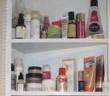
This spot will be the White House Office of National Drug Control Policy's first paid TV ad targeting parents in almost two years.
The poster reminds workers of appropriate personal protective equipment during such work and the importance of washing the hands and face afterward.
An estimated 7,000 children ages 11 and younger are treated in hospital emergency departments each year because of cough and cold medications, according to a study by the Centers for Disease Control and Prevention.