"While there is no cause for widespread panic, symptoms can mimic carbon monoxide poisoning and EMS responders are encouraged to approach any dosed, suspicious vehicle with extreme caution," the association warns.

The American Public Health Association says Sunday's switch to daylight saving time is the right time to ensure your emergency supplies are ready.
Awaiting approval by a judge and the workers, the agreement by the WTC Captive Insurance Company will pay as much as $657.5 million to settle the lawsuits claiming dust created by the collapse of the World Trade Centers caused lung damage.
Exposure to the toxic chemical can affect the nervous system and can cause changes in color vision, fatigue, slowed reaction time, concentration problems, and balance problems.
The settlement addresses the Jan. 6, 2005, Norfolk Southern train derailment in Graniteville, S.C., that resulted in the death of nine people from chlorine exposure, hundreds of people seeking medical care due to respiratory distress, and the evacuation of more than 5,000 people living and working within a 1-mile radius of the release area.

March 22 is the deadline to apply for the awards being handed out at Fire-Rescue Med in early May. The awards honor creative approaches to improving therapies for patients with acute coronary syndromes and sudden cardiac arrest.
“Hot work around flammable gas or vapor is one of the most common causes of worker deaths that we see at the Chemical Safety Board,” said CSB Board Member William B. Wark.
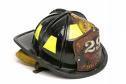
The multi-year, records-based study will include about 18,000 current and retired career firefighters. The findings will aid the International Agency for Research on Cancer's review of the carcinogenicity of firefighting.
United States Fire Administration (USFA) has issued a special report examining the causes and characteristics of winter residential building fires--those that occur in January, February, and March. The report, titled "Winter Residential Building Fires," was developed by USFA's National Fire Data Center.
The Fairfax, Va.-based International Association of Fire Chiefs is conducting an online survey to find out what readers of the newsletter want it to cover.

FCC Chairman Julius Genachowski contends FCC's National Broadband Plan, which his agency will submit to Congress this month, is "the best and shortest path to a nationwide interoperable broadband network for public safety."
Acting in response to the U.S. Chemical Safety Board's recommendations from the ConAgra Slim Jim explosion, NFPA's National Fuel Gas Code Committee proposed an emergency change to strengthen NFPA 54. Expedited public review and comment will follow.
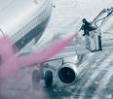
Flying in icing conditions remains a "most wanted" safety improvement on the agency's list with a "red" classification indicating an unacceptable FAA response. NTSB investigated 69 accidents involving U.S.-registered aircraft and runway or surface icing in 1998-2007.
According to the Centers for Disease Control and Prevention, the risk for injury during and after an earthquake is high. Prompt first aid can help heal small wounds and reduce chances of infection. Tetanus is a potential health threat for persons who have wounds.
Investigations Supervisor Don Holmstrom briefed reporters today about the investigation so far into the Feb. 7 Kleen Energy explosion, which has claimed six lives.
The company's location in Lenexa, Kan., generates hazardous and non-hazardous solid waste as a result of ordinary breakage, leakage, and spillage from the approximate 400,000 packages workers handle at the facility each day, EPA said.
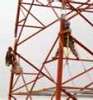
The National Association of Tower Erectors worked with tower owners and operators to develop the content, which will guide on-site employees of owners, carriers, broadcasters, and general contractors.
Some of the issues to be reviewed at this year’s public board meeting include emergency helicopter medical services, intelligent highway technologies, motor carrier operations, operator fatigue, rail car design, and marine safety management systems.
The funds from the 2010 Isman Grant will make it possible for the hazmat team to attend the IAFC International Hazardous Materials Response Teams Conference in Baltimore in May 2010.
The spill occurred when piping connecting a 13,000 gallon oil tank to a boiler failed and released 8,000 gallons of oil into the facility's secondary containment area.