The presidential disaster declaration of May 9, 2011, opened the door for federal Public Assistance (PA) in declared counties including state and federal cost-sharing for mitigation funding in all disaster-affected counties.
The report details ways in which disaster risk managers can improve their decision making by integrating climate information into their operations.
From 2007 to 2009, an estimated 900 large loss building fires were reported by U.S. fire departments annually. These fires caused an estimated 35 deaths, 100 injuries, and $2.8 billion dollars in property damage.
Based on previous studies, American Heart Association resuscitation guidelines advise minimizing interruptions to chest compressions to 10 seconds or less.
If workplaces installed AEDs more than five years ago, the devices need to be checked and possibly replaced.
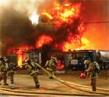
NFPA's latest needs assessment found equipment and training shortages remain, but in fewer departments, because of the Assistance to Firefighters Grant programs.
CSA Standards has recognized Alex Milne for his work on lighting standards, electrical safety standards, and the Canadian Electrical Code Parts I and II.

The standards that are being revised cover two types of protective equipment for law enforcement.
This is a sharp drop from the 105 on-duty deaths in 2008 and 82 in 2009 and it is the lowest annual total since the NFPA began conducting this annual study in 1977.
Decreased lung function was more likely for officers with respiratory symptoms, those who were present when the towers collapsed, and those who worked long hours at the WTC site.
On Nov. 9 at 2 p.m. Eastern time, the first nationwide test of the Emergency Alert System will take place, lasting up to three and a half minutes.
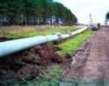
The board said its investigation of the September 2010 San Bruno pipeline explosion has revealed emergency responders nationwide may not have the information they need to react effectively to a leak or rupture.
Two years in the making, the action agenda lists 48 recommendations in seven broad areas. The theme is to redirect U.S. chemicals policy to prevent exposures and to use inherently safer chemicals.
Chevron and the Health and Safety Executive are investigating to find the cause of the June 2 explosion at the Pembroke Refinery in southern Wales.
The tool works by removing the closed or damaged highway from the networks, and recommending alternate available routes.
Cooking is the leading cause of both one- and two-family and multifamily residential buildings fires, followed by heating.
A look at the behavioral lessons of the Deepwater Horizon disaster, Dr. E. Scott Geller's "People-Powered Safety" session, and a report by some of the ASSE delegates who visited China in November 2010 are among the highlights on June 13.
Here's why your brand should figure into whether to deploy publicly accessible defibrillators.
Our first Twitter conversation was a modest success. Send me your ideas for our next one.

The nomination period for 2010-2011 began May 31 and will close July 31. This is the highest national award for valor by a public safety officer.